admin
admin 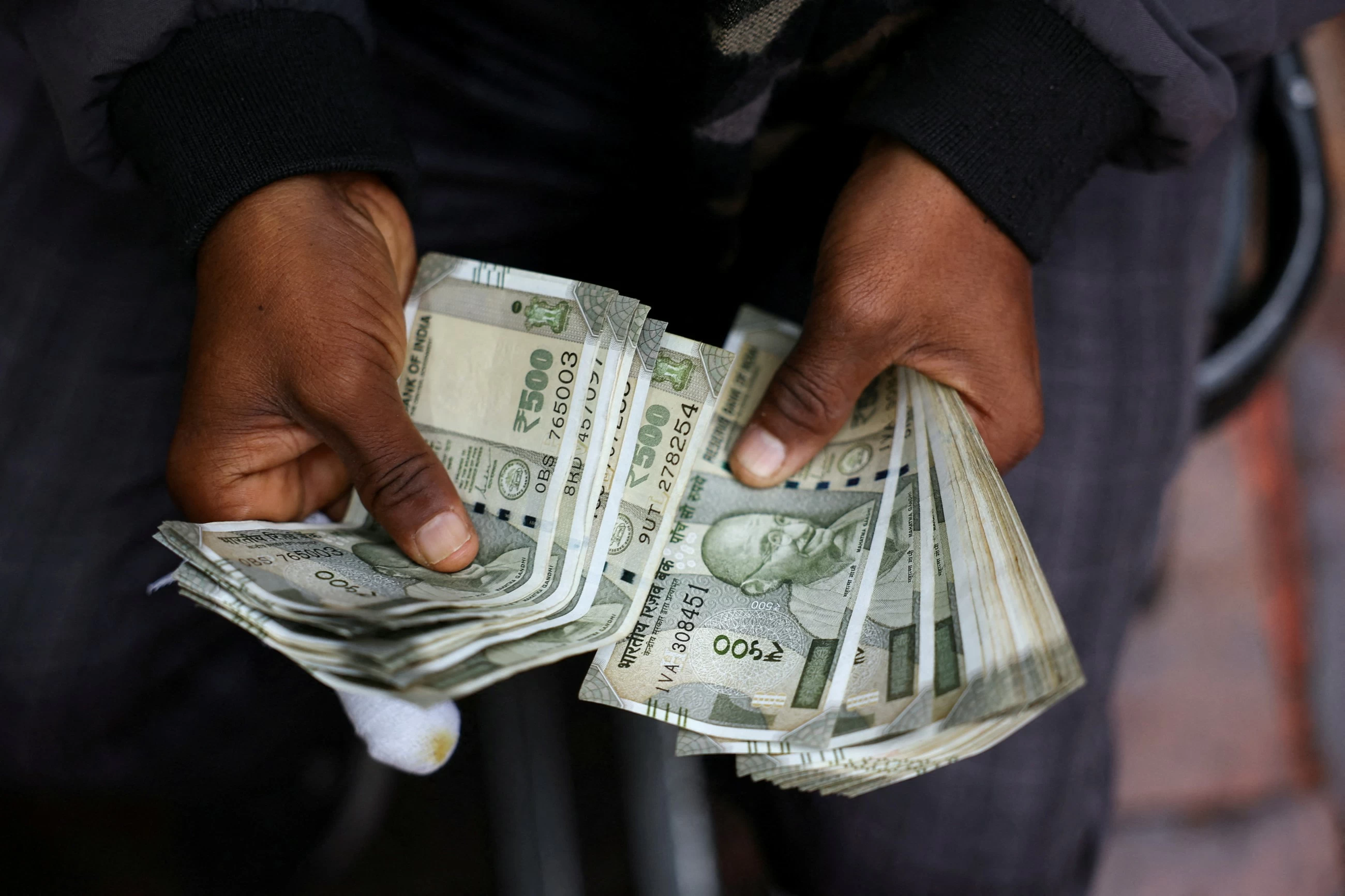
The Indian rupee fell past 93 per dollar for the first time on Friday and logged its worst single-day drop in over four years, on worries over the hit to Asia’s third-largest economy from the Iran war-led disruptions to global energy supplies.
The rupee fell more than 1% to 93.7350 against the US dollar, eclipsing its previous record low of 92.63 touched on Wednesday. It closed at 93.71 and was down about 1.3% on the week, the steepest decline since late 2022.
A prolonged spike in crude prices could slow growth and stoke inflation in the world’s third-biggest oil importer and consumer.
The oil shock has prompted foreign investors to pull out more than $8 billion from Indian equities this month, the largest outflow since January 2025 which adds to strain on the local unit.
With no sign of the conflict easing, the rupee looks increasingly vulnerable and could weaken to 95 per dollar.
The rupee “could be more vulnerable if the conflict drags on, which mainly reflects its exposure to higher energy prices,” said Vivek Rajpal, Asia macro strategist at JB Drax Honore.
Oil prices surged to nearly $120 per barrel this week, before retreating on Friday to about $110 as some countries offered to join efforts to secure safe passage for ships through the Strait of Hormuz.
On Friday, traders also pointed to persistent dollar demand from local oil marketing companies in recent sessions, adding pressure on the rupee, which has slumped nearly 3% since the Iran war broke out.
For over a year now, the rupee has been pummelled by headwinds ranging from trade frictions with the US to conflicts in key energy-producing regions and heavy foreign selling of stocks.
The rupee has depreciated about 8% against the dollar over the last year and has also weakened sharply against the euro, the British pound, and the Chinese yuan.
Reuters