admin
admin 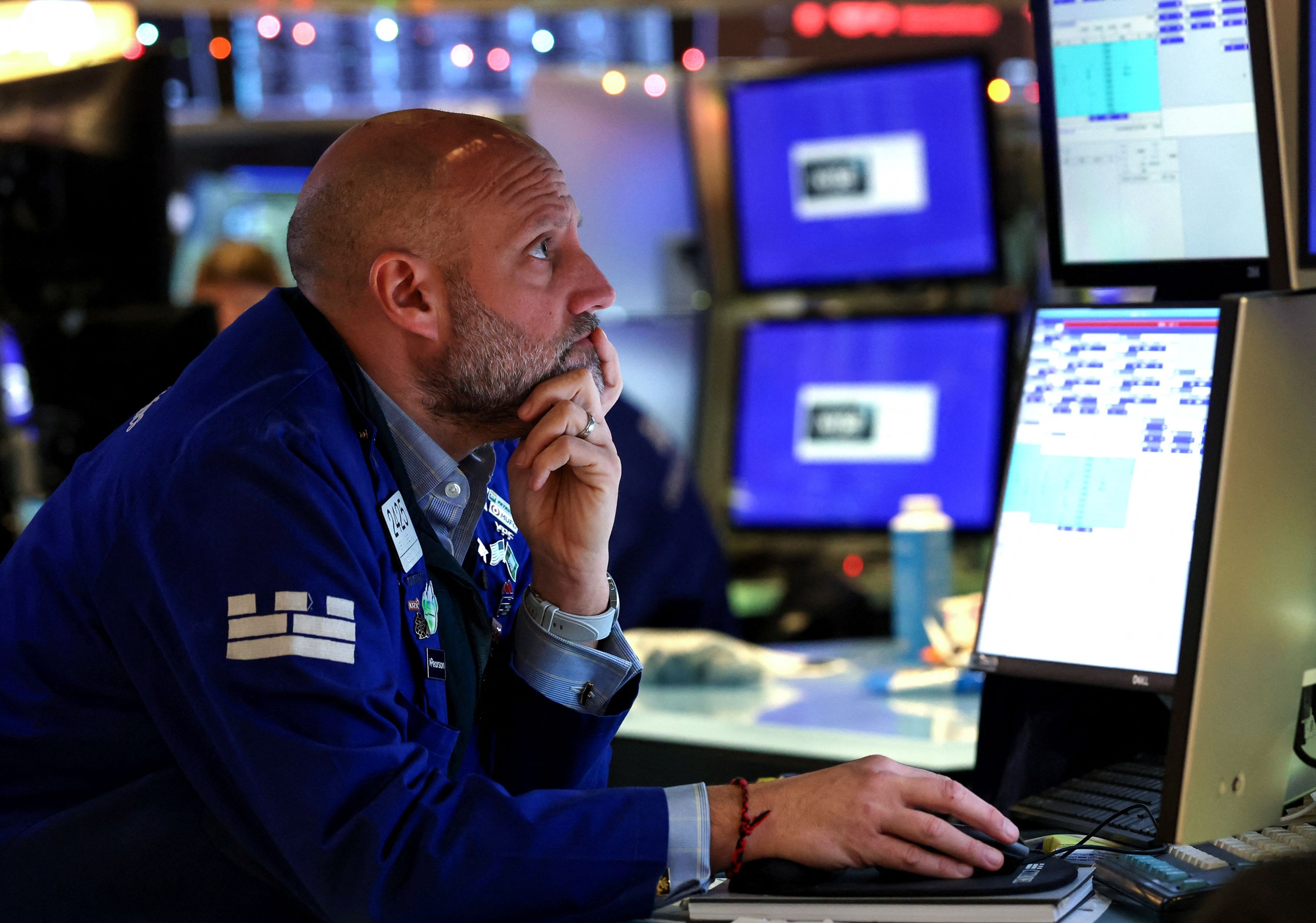
Investors will seek signs in the coming week of how sprawling the war in the Middle East will become and how much it will disrupt energy supplies, as they chew over fresh inflation data.
A US-Israeli campaign against Iran that entered its seventh day on Friday was consuming markets, with a jump in oil prices headlining volatility across assets. US stocks swung sharply following the Middle East escalation, leaving the benchmark S&P 500 down 2% for the week. The Cboe Volatility Index, Wall Street’s most-watched gauge of investor anxiety, on Friday hit its highest level in nearly a year.
Compounding woes for stocks was Friday’s weak US jobs report. The data for February showed a surprise drop in payrolls and the unemployment rate rising to 4.4%.
Investors were balancing the historic tendency for equities to rebound in the wake of major global developments against a lack of clarity about the Iran situation. “This is a very big event and it seems incredibly uncertain where it’s headed,” said Rick Meckler, partner at Cherry Lane Investments. “To some extent, it’s left investors as neither sellers nor buyers.”
One focal point for markets was the surge in energy prices stemming from the conflict and its significance for inflation and economic output. The fighting has paralyzed shipping through the Strait of Hormuz, a key artery for around a fifth of the world’s oil and liquefied natural gas supply.
Brent crude on Friday topped $90 a barrel, up from $70 before the weekend strikes. Higher oil prices can dampen the outlook for equities in several ways, including by translating into higher gasoline prices that weaken consumer spending.
In the near term, Michael Arone, chief investment strategist at State Street Investment Management, said changes in oil prices will be “a good barometer for whether risk assets will do well or they will do poorly.” Oil breaching $100 a barrel, he said, would be a psychological milestone that “would spook markets more.” Even with the weekly decline, the S&P 500 remained just over 3% from its all-time closing high set in late January. Expectations of a solid economic backdrop and strong corporate earnings growth this year have supported stocks, countering worries about artificial-intelligence-driven disruptions and private credit.
Heading into next week, “developments in the Middle East will move really all financial markets,” said Dominic Pappalardo, chief multi-asset strategist for Morningstar Wealth.
Inflation data will also be in Wall Street’s spotlight. The consumer price index for February is due on Wednesday, following a cooler-than-expected January report for the closely watched inflation measure.
CPI for February is expected to show a 0.2% increase on a monthly basis, according to a Reuters poll. Investors said markets may discount any report that is tame, because it covers a period almost entirely before the Middle East conflict. But a surprise spike in inflation could be particularly problematic.
“If we get upside surprises to the inflation data next week, that could further fuel fears about inflation expectations rising and that would be bad for markets,” Arone said. “The concern is that higher oil prices will only feed into higher inflation dynamics going forward.” HIGHER INFLATION Such worries about energy-induced higher inflation have contributed to investors pushing back their estimate for the Federal Reserve’s next interest-rate cut, although the weak jobs data on Friday revived easing expectations somewhat.
Market-based expectations for a cut of at least 25 basis points at the Fed’s June meeting stood at 45% late on Friday, according to LSEG data.
After the central bank lowered rates last year to shore up a weakening labour market, hopes for further easing this year of about two standard quarter-percentage-point cuts have been a crucial part of the bull case for stocks. Investors generally associate lower interest rates with higher prices for stocks and other assets.
“If we continue to see increasing energy prices sparking inflation concerns, it will be much more difficult for the Fed to implement those two forecast rate cuts in 2026,” Pappalardo said.
Egypt’s currency fell to a record low, trading at over 52 to the US dollar on Sunday, as the economic fallout of the war in the Middle East hits the region’s most populous country.
The US-Israeli war on Iran has expanded across the Gulf and beyond, upending global energy markets and trade, and virtually halting traffic in the Strait of Hormuz, through which a fifth of the world’s crude oil travels.
President Abdel Fattah al-Sisi last week warned that the country was in a “state of near-emergency”, warning of renewed inflationary pressures.
Despite Egypt not having been directly hit by the war, the fighting has nonetheless pushed some shipping companies away from its Suez Canal, a key source of foreign currency.
Agencies