admin
admin 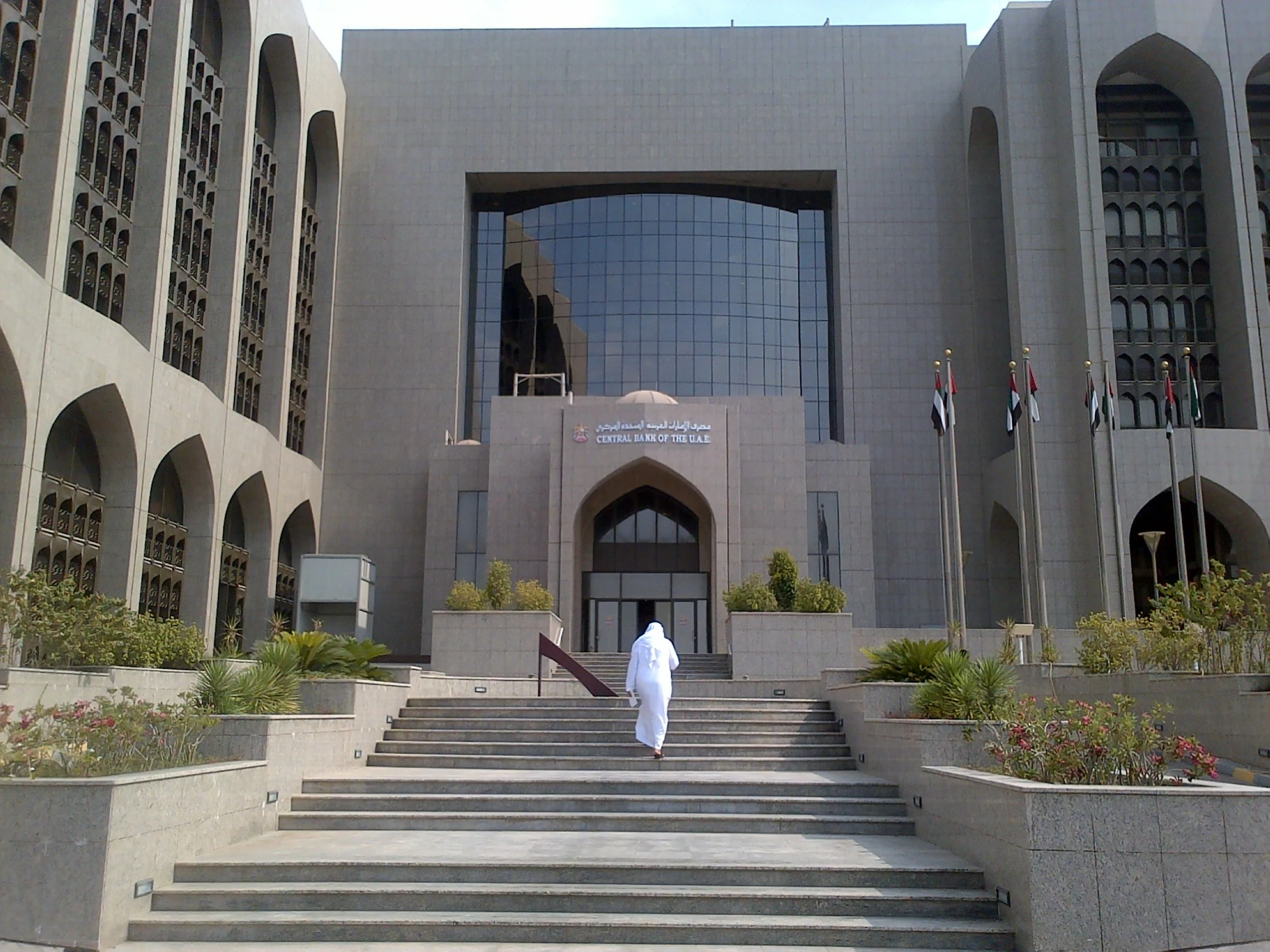
The Central Bank of the United Arab Emirates (CBUAE) and the Central Bank of Bahrain (CBB) announced the establishment of a Currency Swap Agreement between the UAE Dirham (AED) and the Bahraini Dinar (BHD) during a virtual signing ceremony. The agreement has a nominal value of Dhs20 billion) BHD 2 billion(, with a tenor of five years.
The agreement was signed by Khaled Mohamed Balama, Governor of the Central Bank of the UAE and Khalid Humaidan, Governor of the Central Bank of Bahrain. The agreement aims to further strengthen existing financial cooperation between the two nations.
Khaled Mohamed Balama emphasised that the signing of the currency swap agreement reaffirms the UAE’s and the Kingdom of Bahrain’s shared commitment to expanding financial and monetary cooperation, as well as strengthening trade and investment ties. He added that the agreement demonstrates both sides’ dedication to promoting the use of local currencies and advancing cooperation frameworks between central banks, contributing to enhanced financial stability and the deepening of regional and international partnerships.
Khalid Humaidan stated that the agreement reflects the strength and depth of the longstanding ties between the leaderships of the Kingdom of Bahrain and United Arab Emirates, marking a significant milestone in the bilateral relationship. He added that it will further enhance cooperation between the two central banks and advance regional financial integration, emphasising that the agreement is expected to stimulate economic growth and reinforce financial stability in both countries.
Meanwhile, the Asian Development Bank (ADB) has launched a multi-partner fund to finance critical project preparation work for cross-border energy and transmission infrastructure within the Association of Southeast Asian Nations (ASEAN)-the first such fund in the region. The Regional Connectivity Fund for Energy in Southeast Asia (RCF) will advance the development of the ASEAN Power Grid, the regional bloc’s flagship initiative to achieve fully integrated electricity grid operations by 2045.
“The ASEAN Power Grid is one of Southeast Asia’s greatest opportunities, with the potential to deliver energy security for nearly 700 million people and power the region’s growth,” said ADB President Masato Kanda. “Thanks to the strong support of our partners, today’s launch of this project preparation fund is a decisive step toward accelerating high-quality ASEAN Power Grid investments and turning regional ambition into action.”
The RCF is a key initiative delivered under the ASEAN Infrastructure Fund (AIF)-Southeast Asia’s largest regionally owned infrastructure financing platform-and will help the AIF expand its scale and impact. Initial funding equivalent to about $25 million consists of contributions from the Government of Australia, the Government of Canada, the European Union, the Government of Germany, and the Government of the United Kingdom.
Managed by ADB in close collaboration with the AIF Board and ASEAN member states, the RCF will accelerate project preparation by providing technical assistance and project readiness financing grants to support energy infrastructure projects. This includes feasibility studies, engineering design, financial structuring, and safeguards assessments. It will also fund activities related to policy advice, regulatory improvements, capacity building, and knowledge sharing to improve the enabling environment for the ASEAN Power Grid. The RCF will ensure projects are well-designed, bankable, and aligned with ASEAN members’ priorities.
Southeast Asia’s energy demand is expected to triple by 2050. The ASEAN Power Grid will help to unlock access to reliable and affordable power supply, including renewable energy sources like solar, wind, and hydropower.
ADB has pledged up to $10 billion over the next 10 years toward the ASEAN Power Grid and related investments to expedite cross-border power connections, national grid projects, and renewable energy initiatives that will facilitate energy trading. In October, ADB launched the ASEAN Power Grid Financing Initiative with the ASEAN Secretariat, the ASEAN Center for Energy, and the World Bank.
Meanwhile, the Republic of Korea recorded its largest-ever monthly current account surplus in February, driven by a semiconductor upcycle and strong exports, central bank data showed on Wednesday.
The current account surplus totalled US$23.19 billion in February, up sharply from $13.26 billion in January, Yonhap News Agency reported, citing data from the Bank of Korea (BOK).
WAM