admin
admin 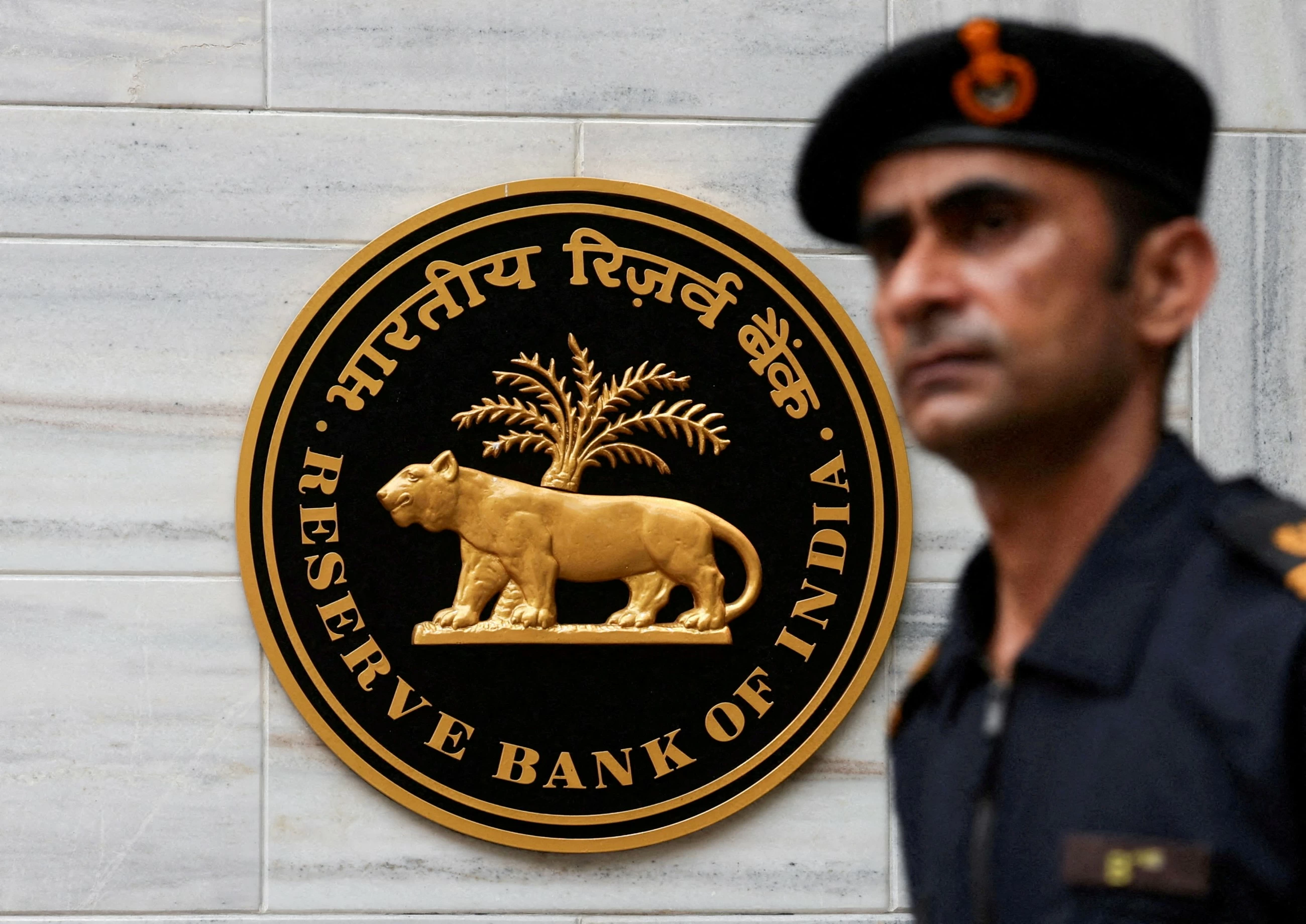
Lenders have urged the Indian central bank to grant three months for compliance with new foreign exchange position limits, noting that a quick implementation could trigger disorderly unwinding of positions and potential losses, six bankers told Reuters.
The Reserve Bank of India said after the market close on Friday that banks must ensure that by April 10 their net open rupee positions in the onshore deliverable market do not exceed $100 million at the end of each business day.
The decision to impose limits on onshore positions comes against a backdrop of mounting pressure on the rupee, spurred by an oil price surge and heavy foreign portfolio outflows following the start of the Iran war.
Following the notification of the new rules, however, senior treasury officials from both local and foreign banks met with central bank officials to convey their concerns, the bankers, who did not wish to be identified, said.
The rules could force a sudden unwinding of arbitrage trades between the non-deliverable forward (NDF) and onshore markets, leaving banks exposed to potential losses on those trades, they said.
An extension of the timeline could alleviate the stress by allowing banks to simply let such positions mature as opposed to rushing to unwind them, two of the bankers said.
One of the bankers explained that since most of the arbitrage positions are clustered in the 1-3 month bucket, an extension would allow them time to mature and prevent “one-sided panic.”
In addition to the extension, bankers have also proposed that the RBI allow them to maintain existing positions until they mature, the bankers said.
A spokesperson for the RBI did not immediately respond to an email seeking comment.
The rupee hit an all-time low of 94.84 per US dollar on Friday and is down over 5% year-to-date.
Separately, amid the persistent foreign outflows, domestic institutional investors (DIIs) continue to provide strong support, emerging as net buyers to the tune of Rs26,897 crore last week, effectively absorbing the selling pressure from FIIs.
This continued domestic participation helped cushion the downside and provided stability near key support zones, said analysts.
“Foreign institutional investors (FIIs) remained consistent net sellers throughout the week, with cumulative outflows of approximately Rs 24,596 crore, driven by global uncertainty, rising bond yields, and a stronger US dollar,” said Ponmudi R, CEO, Enrich Money, a SEBI-registered online trading and wealthtech firm.
Despite DII dominance over FII outflows, overall market sentiment remains weak, clearly reflecting the impact of broader global and macroeconomic headwinds, he mentioned.
As of March 27, FIIs extended their aggressive selling in Indian equities. This pushed March MTD (month-to-date) outflows past Rs 1.13 lakh crore – the sharpest single-month sell-off in FY26 – driven by West Asia tensions and elevated oil prices.
Agencies