1. Home
  2. Author Blogs

Author: admin

admin

Entertainment
Sex Expert Urges Taylor Frankie Paul to Use Fantasy Suites on ‘Bachelorette’

Sex Expert Urges Taylor Frankie Paul to Use Fantasy Suites on ‘Bachelorette’

Taylor Frankie Paul Sex Expert Advises ... Take All the Men to 'Fantasy Suites'!!! Published March 12, 2026 3:17 PM PDT Play video content TMZ.com "The Secret Lives of Mormon Wives" star Taylor Frankie Paul

Entertainment
Livvy Dunne Joining ‘Baywatch’ Reboot With Brooks Nader, Shay Mitchell

Livvy Dunne Joining ‘Baywatch’ Reboot With Brooks Nader, Shay Mitchell

Social influencer Livvy Dunne is setting her sights on Hollywood and has joined the "Baywatch" reboot with Shay Mitchell and Brooks Nader, TMZ has learned.  Sources tell TMZ ... Livvy -- who is with MLB

Entertainment
Donnell Rawlings Joins TMZ Comedy Tour to Talk Cancel Culture for Comics

Donnell Rawlings Joins TMZ Comedy Tour to Talk Cancel Culture for Comics

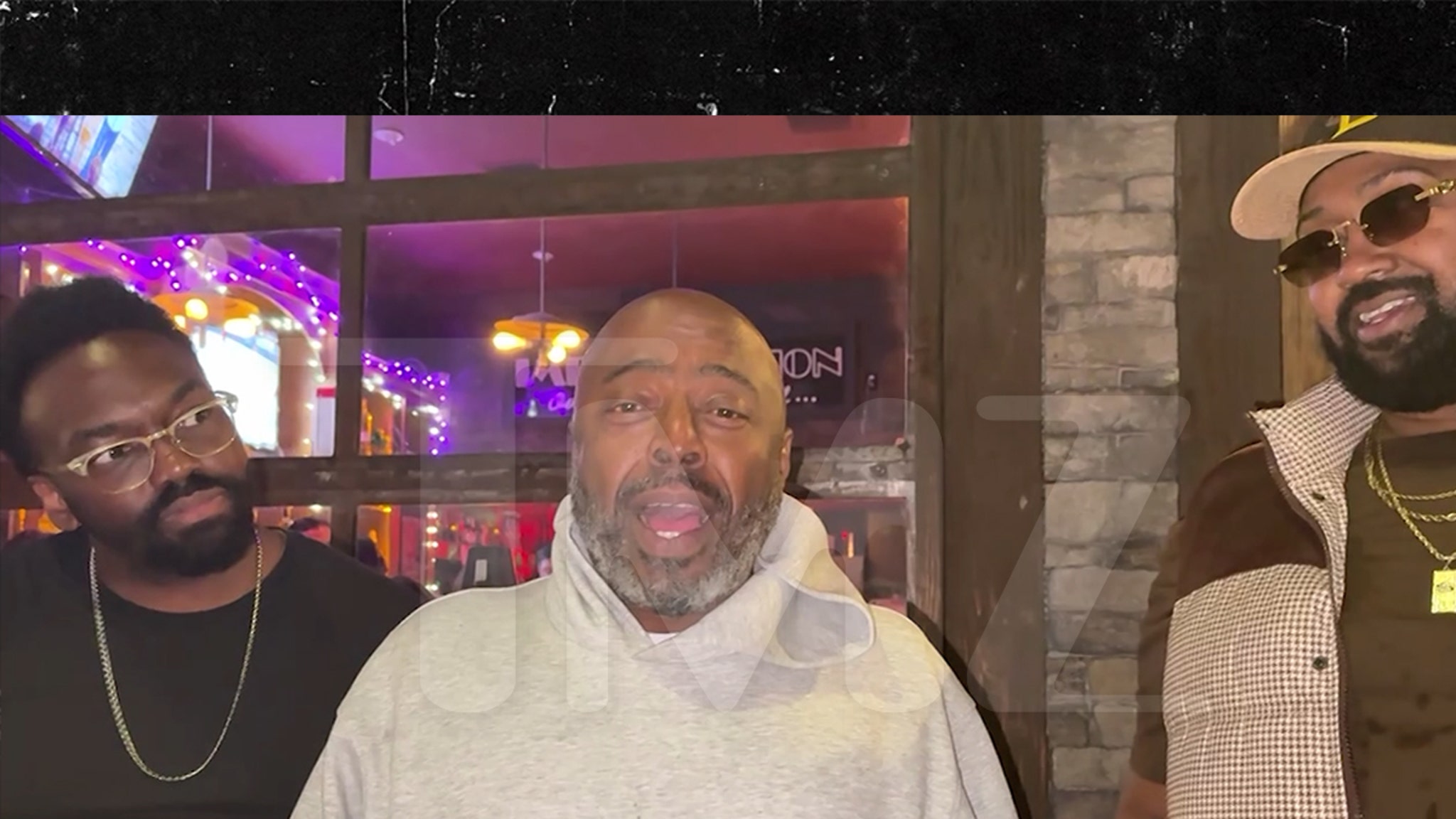
'TMZ Comedy Tour' Donnell Rawlings Laughs Off Cancel Culture Published March 12, 2026 2:07 PM PDT Play video content TMZ.com TMZ’s new Comedy Crawl, now happening every Friday, made headlines over the weekend ... not

Opinion
China pins hopes on society-wide AI push to add jobs

China pins hopes on society-wide AI push to add jobs

China’s scramble to adopt artificial intelligence will spawn new jobs and propel the world’s second-largest economy, say policymakers and company executives, as they downplay growing global fears that the technology could stunt employment. Plans unveiled at the opening of parliament’s annual session last week go all-in on AI, outlining ambitions to offset an ageing workforce and long-term economic slowdown through the technology’s “job-creation” effect over the next five years. “For now, advancing AI adoption and capability appears to be a higher policy priority than pre-emptively addressing potential job displacement,” said Shujing He, senior analyst at consultancy Plenum. She added the government’s focus on AI’s positive effects leaves room to respond later to any disruptive labour market impact. Human Resources Minister Wang Xiaoping said China was working to “actively leverage” AI to create jobs and expand opportunities for 12.7mn university graduates this year. The International Monetary Fund predicts AI will affect nearly 40% of global jobs, rising to 60% in advanced economies, while Stanford University researchers have found the technology is already having a “significant and disproportionate” impact on new US workers. Some analysts remain sceptical of Beijing’s optimism. “Automation has two major impacts: wages are being pushed down, and youth unemployment will continue to go up,” said Alicia Garcia-Herrero, chief Asia-Pacific economist at Natixis. “If China does not introduce any kind of universal basic income, there is no way the population can cope with this shock.” In a state-run CCTV broadcast during the parliament sessions, executives from Chinese state-owned enterprises — traditionally offering “iron rice bowl” job security — said AI would spark major restructuring within their organisations. Yet Changan Automobile chairman Zhu Huarong said he was optimistic that China’s AI drive would transform the automobile industry into a “sunrise industry” from a fading one. Chinese universities are already adapting. ShanghaiTech University has introduced AI “micro-majors” to teach skills machines cannot easily replace, such as critical thinking and creativity, said provost Yin Jie. “We must train them to ask questions,” he added. “If your thinking isn’t sharp, you won’t beat the robots.” China’s emphasis on reskilling and talent development reflects its strategy to align with shifting industry dynamics, said Wei Sun, principal AI analyst at Counterpoint Research, noting that policymakers view AI and labour not as a “zero-sum” rivalry but as mutually reinforcing. The push is also tied to demographic pressures: about 300mn people are set to retire in the next decade, threatening pension budgets. Last week, China set its lowest GDP growth target since the 1990s, at 4.5% to 5%, while youth unemployment remains high. Under its new five-year plan, Beijing aims to extend AI use beyond manufacturing into services, developing industry-specific models and rollout strategies. Still, concerns linger. “Job destruction often precedes and outweighs job creation,” wrote labour economist Cai Fang in a recent book. “Although technological progress will ultimately create new jobs, the high automation of AI may lead to long-term employment shocks.” He urged more investment in human capital and social welfareprotections. In a landmark labour ruling last year, a Beijing court said dismissing employees solely to replace them with AI was illegal. Yet robotaxis and autonomous delivery vehicles are already reducing traditional job demand, even on a small scale. State media have hailed Bytedance’s new video-generation model, Seedance 2.0, as a “singularity moment” for AI in film and television. Meanwhile, entrepreneurs are using AI agent OpenClaw to automate e-commerce shopfronts, forming so-called “one-person companies.” Local governments are now building industries around such tools. “From DeepSeek in 2025 to OpenClaw now, Chinese media have been hammering one narrative non-stop: learn this AI tool, get a high-paying job,” wrote technology analyst Poe Zhao. The viral craze highlights both excitement and unease about the future of work, added the founder of the Hello China Tech newsletter.   

Opinion
China rebuilding grip on N Korea. Is Kim Jong-un ready to oblige?

China rebuilding grip on N Korea. Is Kim Jong-un ready to oblige?

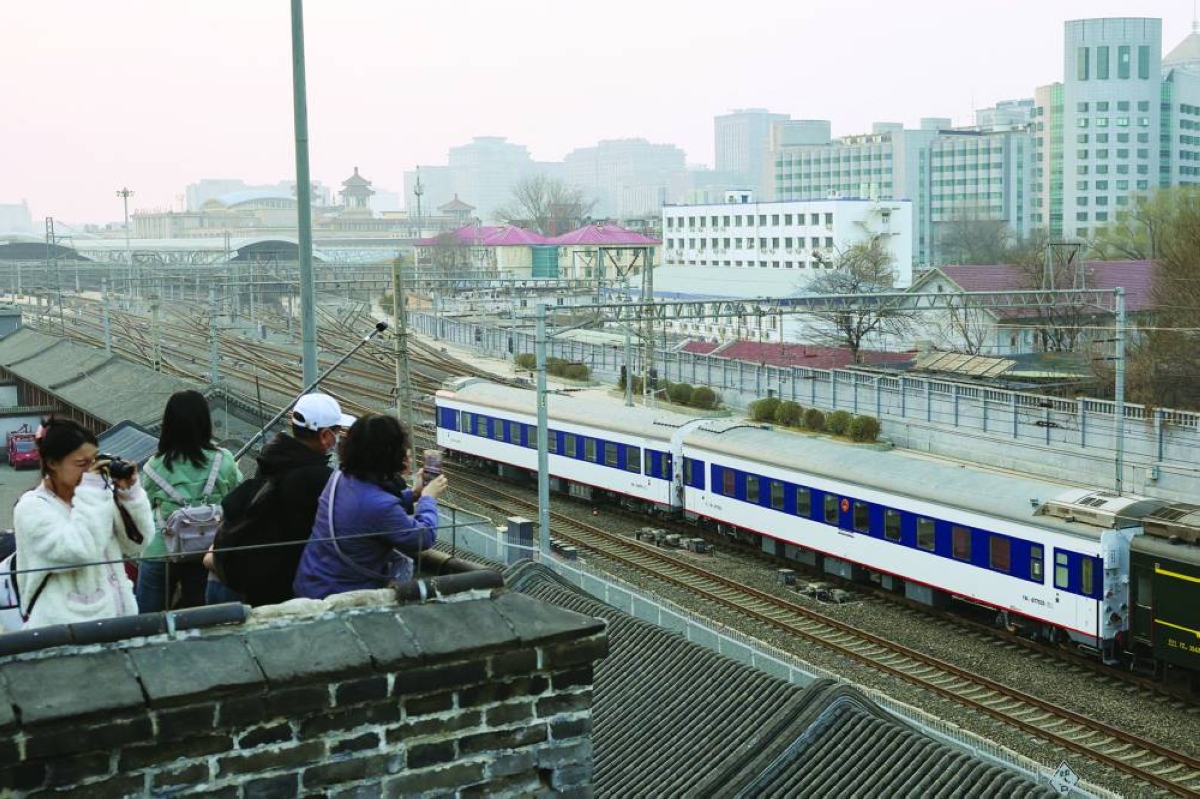
When Kim Jong-un arrived by armoured train in Beijing for a military parade in September, the pageantry signaled a thaw in one of the world’s most important relationships after several years of frosty ties. Behind the spectacle of tanks and fighter jets, North Korea’s leader brought a senior economic team to talk trade and investment. Five weeks later, Chinese Premier Li Qiang reciprocated ‌in Pyongyang, and China’s ambassador declared both countries were “writing a new chapter.” For China, the mission is clear: reassert its traditional influence over a neighbour that has drawn closer to Russia since its 2022 invasion of Ukraine. North ​Korea has supplied troops and weapons to Moscow in exchange for fuel and ‌food to shore up an economy hobbled by UN sanctions over its nuclear-weapons program. A Reuters examination reveals how Beijing is deepening engagement with North Korea as US President Donald Trump prepares to visit China and ‌expresses interest in reviving talks with Kim for the first time since 2019. Satellite imagery shows China and North Korea are ‌installing new infrastructure along the border — including roadworks and port facilities, some not previously reported — and forging closer ‌economic links that boost Beijing’s sway over any US overtures to Pyongyang. To document the shift, Reuters reviewed trade data, traveled along parts of the 1,350-km border and interviewed some three dozen people, including North Korean waitresses, Chinese business owners with factories in North Korea, Western tour operators, and a Chinese government official. Most spoke on the condition of anonymity because of the sensitivity of the topic. The rapprochement is cautious: North Korea shut its borders in 2020 in response to Covid-19 and remains largely closed to tourism, even as passenger-train services to the country from China resume this week. And Kim’s pivot to Moscow in recent years has diversified his political and economic partners amid continued sanctions pressure. Still, his intensifying co-operation with China positions North Korea for a wider reopening that some analysts said would enable Beijing to reinforce its smaller neighbour’s economic dependence and signal to Trump that his top strategic rival holds the key to shaping Kim’s actions. China’s exports to North Korea reached a six-year high of $2.3bn last year, a 25% annual increase. In November, China dropped its longstanding call for North Korea’s denuclearization from an official arms-control white paper. In a message to Chinese President Xi Jinping on March 9, Kim said co-operation between the two countries “will become even closer in the future as we advance the common cause of socialism,” North Korean state media reported. “Discussions across all areas — politics, economy, security, and military — have kicked off, laying ground for relations to take a leap,” said Lim Eul-chul, a ​professor who studies North Korea at South Korea’s Kyungnam University. Asked about China’s courting of North Korea, Kremlin spokesman Dmitry Peskov told Reuters that Russia welcomes greater co-operation in the region, which contributes to stability and security. Beijing’s foreign ministry told Reuters that China and North Korea have been “actively advancing border co-operation” to foster exchanges, without addressing Pyongyang’s ties with Moscow. North Korea’s mission to the U.N. and its embassy in Beijing didn’t respond to questions. BRIDGING THE DIVIDEIn the frontier city of Dandong, China has shown its readiness for a surge in cross-border traffic. In May, road markings reading “Truck ‌Entry Lane” and “Passenger Vehicle Entry Lane” were painted onto the Chinese side of the unopened New Yalu River Bridge, which spans the border ​with North Korea, satellite images show. A new sports court has been installed at Dandong New Zone’s dormant customs facility. Recent construction is evident at other Chinese border stations, including roadworks and new facilities at the northernmost ​Quanhe port; and new pavement and buildings at Nanping and Sanhe, which Reuters is reporting for the first time. Reuters’ analysis of satellite imagery provided by Planet Labs was corroborated by Center for Strategic and International Studies analysts Joseph Bermudez Jr. and Jennifer Jun. North Korea has also been building what CSIS experts say is a customs and immigration facility, as well as warehouse and cargo-transfer buildings, on its side of the unopened bridge. After a 15-year delay, North Korea spent most of last year working on the project before construction stalled in November. Reuters couldn’t determine why the work was paused. The infrastructure work is now being matched by operational steps. China announced this week that passenger-train services between Beijing, Dandong and Pyongyang would resume for the first time in six years. Tickets are limited to travelers with a North Korean business visa, a sales-office representative in Beijing told Reuters. While tourism to North Korea hasn’t officially resumed - Pyongyang canceled an international marathon scheduled for April - the revival of the rail connection is a positive sign for the eventual return of tourists, said Rowan Beard, co-founder of travel operator Young Pioneer Tours. Chinese travelers accounted for the bulk of tourists to North Korea before the border closure. When Reuters traveled to Dandong in January, peddlers on the riverfront promenade were selling lapel pins emblazoned with Kim’s portrait, while touts offered boat trips to visitors. A steady stream of Chinese trucks carried goods such as cloth, soybean oil, tires, and frozen duck meat across the old Sino-Korean Friendship Bridge toward North Korean guards. At the Songtaoyuan restaurant on a freezing evening, five North Korean waitresses moved between tables, serving cold noodles. One told Reuters she was among a group of more than 10 workers ‌who arrived from North Korea in December. China’s foreign and commerce ministries didn’t address questions about ‌the North Korean workers and Beijing’s enforcement of UN sanctions, which prohibit member states from issuing new work permits to North Koreans. Songtaoyuan didn’t respond to a request for comment. WIGS, FAKE BEARDS — AND TUNGSTENThe pickup in activity shows China is preparing to expand trade, said Bermudez. “North Korea has a lot of raw material and also lots of people who could be put to work at a very, very low wage rate,” he said. While UN sanctions restrict traditional North Korean exports like coal, Beijing has pivoted to importing labour-intensive materials that help prop up the Kim dynasty. Hair products — wigs, eyelashes, and false beards — now account for nearly half of China’s imports from North Korea, rising 327-fold over the last decade. China is also the main buyer of strategic metals from North Korea. Shipments of molybdenum ores and tungsten ores — essential for rockets and missile components — reached records of $17.2mn and $31.5mn, respectively, in 2025, customs data show. These official imports allow China to bolster its stockpile at low prices while ensuring North Korean minerals don’t reach the global market to undermine Chinese export controls, said Cory Combs, a critical-minerals analyst at Trivium China. Political momentum is gaining, too. North Korea in October explicitly endorsed Beijing’s position on Taiwan, shortly before China’s arms white paper dropped calls for “denuclearization” of the Korean Peninsula. At a party congress in February, Kim vowed to expand his nuclear arsenal and said prospects for better relations with the United States rested entirely on Washington’s attitude. Trump, who plans to visit China in late March and early April, has said he would love to ​meet the North Korean leader again. Kim has said the US must first drop its demands for Pyongyang to relinquish its nuclear weapons. A State Department spokesperson said the US remains committed to the complete denuclearization of North Korea. ‘THE SECOND SHANGHAI’Despite increased engagement between Beijing and Pyongyang, a transformation remains elusive in Dandong, where hopes of renewed trade with North Korea have fueled boom-and-bust cycles for years. No traffic crosses the New Yalu River Bridge, completed by China in 2014. On the Chinese side, residents curious about any signs of progress use binoculars to peer over the crossing, which ends abruptly in a field. North Korea’s new entry port, conceived in 2010, sits abandoned, with no workers in sight. “We once joked that Dandong New Zone would be the second Shanghai,” said Fu, a waiter at a cafe by the unused bridge. “If the other side really opened up, it would be.” Instead, empty storefronts line the streets. Property prices have slumped to around 3,000 yuan (about $435) per square meter, down from 10,000 yuan during Trump’s first term, according to residents and a Reuters review of property records and local media reports. Four traders in China said logistics with North Korea remain restrictive. “Before the pandemic, our trucks could freely enter North Korea’s interior to deliver or pick up goods,” said an owner of an eyelash manufacturer with a factory in North Korea. “Now, they can only receive and drop off goods at the North Korean customs.” North Korea’s caution about reopening stems partly from frustration that China hasn’t done more to relax compliance with UN sanctions, said Lim, of ‌Kyungnam University. Some Dandong residents said North Korea’s port-of-entry needs to be completed ​for the promised “new chapter” to materialize. Qi, a Chinese government official who monitors border trade, told Reuters any improvement will be gradual, but he remains hopeful. “The worst time has passed,” said Qi. “It can only get better and better.”   

Opinion
Who might the US be talking to in Cuba?

Who might the US be talking to in Cuba?

US President Donald Trump has said repeatedly the United States ‌is in talks with high-level Cuban representatives, and that Cuba is eager to reach a deal to defuse ​tensions between the two neighbours that have ‌deepened the island’s economic crisis. The Cuban government has denied any official talks are under way, but ‌has yet to explicitly deny press reports that US officials ‌were in talks with Raul Guillermo Rodriguez Castro, the ‌grandson of former Cuban President Raul Castro, who is 94 and still wields great influence. If talks are taking place, they come at a time when Washington has tightened its economic sanctions on Cuba by imposing a near-total oil blockade, and after the US captured Venezuelan President Nicolas Maduro on January 3, removing a crucial Cuban ally from power. Raul Castro fought alongside his older brother Fidel in the revolution that toppled a US ally in 1959 and served as his brother’s loyal defence minister for decades. He ascended to the presidency, first on an interim basis when Fidel got sick in 2006, then took over definitively when Fidel retired in 2008. With Fidel’s death in ​2016, Raul assumed the mantle as the single unifying leader among those loyal to the Cuban revolution. He still wields influence even after stepping down as president in 2018 and as leader of the Communist Party in 2021, since then carrying the honorific title army general. At his ‌2018 swearing-in ceremony, current President Miguel Diaz-Canel said Raul Castro “will lead the ​most important decisions for the present and future of the nation.” That was on public display as ​recently as December 2025. As Cuba’s Communist Party prepared to choose Diaz-Canel’s successor at an all-important party congress this year, Raul Castro proposed postponing the congress indefinitely, given Cuba’s economic crisis. The party’s Central Committee approved the proposal unanimously. Known as “El Cangrejo,” or “The Crab,” because of his hand, Rodriguez Castro, 41, is widely seen as one of his grandfather’s closest confidants. As former bodyguard to Raul Castro, he was at his grandfather’s side, sometimes dressed in the military uniform of the Interior Ministry, throughout Raul Castro’s presidency. He has been reported to hold the rank of lieutenant colonel. The Cuban government did not immediately respond to a query about Rodriguez Castro’s biography or possible role in negotiations. Axios, citing three unnamed sources, reported on February 18 that Rodriguez Castro was in secret talks with US Secretary ‌of State Marco Rubio. ‘The Miami Herald’, citing unnamed ‌sources, reported on February 26 that officials close to Rubio met with Rodriguez Castro on the sidelines of a regional Caribbean Community conference in St Kitts and Nevis. The Trump administration has been having secret, high-level conversations with several people in Raúl Castro’s inner circle, similar to the discussions held in Venezuela before the US captured Maduro in a military raid earlier this year, US Representative Mario Díaz-Balart told the ‘Miami Herald’. Rodriguez Castro is the son of Raul’s daughter Deborah Castro Espin and the late General Luis Alberto Rodriguez Lopez-Calleja, who was head of the military business conglomerate GAESA. During Raul Castro’s presidency, GAESA assumed control of the state’s most important businesses including hotels, banking, logistics and retail. Rodriguez Lopez-Calleja died of a heart attack in ​2022 at age 62. Media reports suggest Rodriguez Castro may have taken a role in his late father’s company. That lineage places Rodriguez Castro at the intersection of Cuba’s political leadership and its most powerful economic institution, making him a potentially significant go-between for Washington. Rodriguez Castro has never spoken publicly nor given interviews. If “El Cangrejo” is acting as a back-channel connection between Havana and Washington, he would be playing a similar role to that of his uncle and Raul Castro’s son, Alejandro Castro Espin, who conducted then-secret negotiations marking a major shift by Washington toward Cuba during Barack Obama’s presidency.      

Opinion
Low layoffs anchoring US labour market; conflict poses a threat

Low layoffs anchoring US labour market; conflict poses a threat

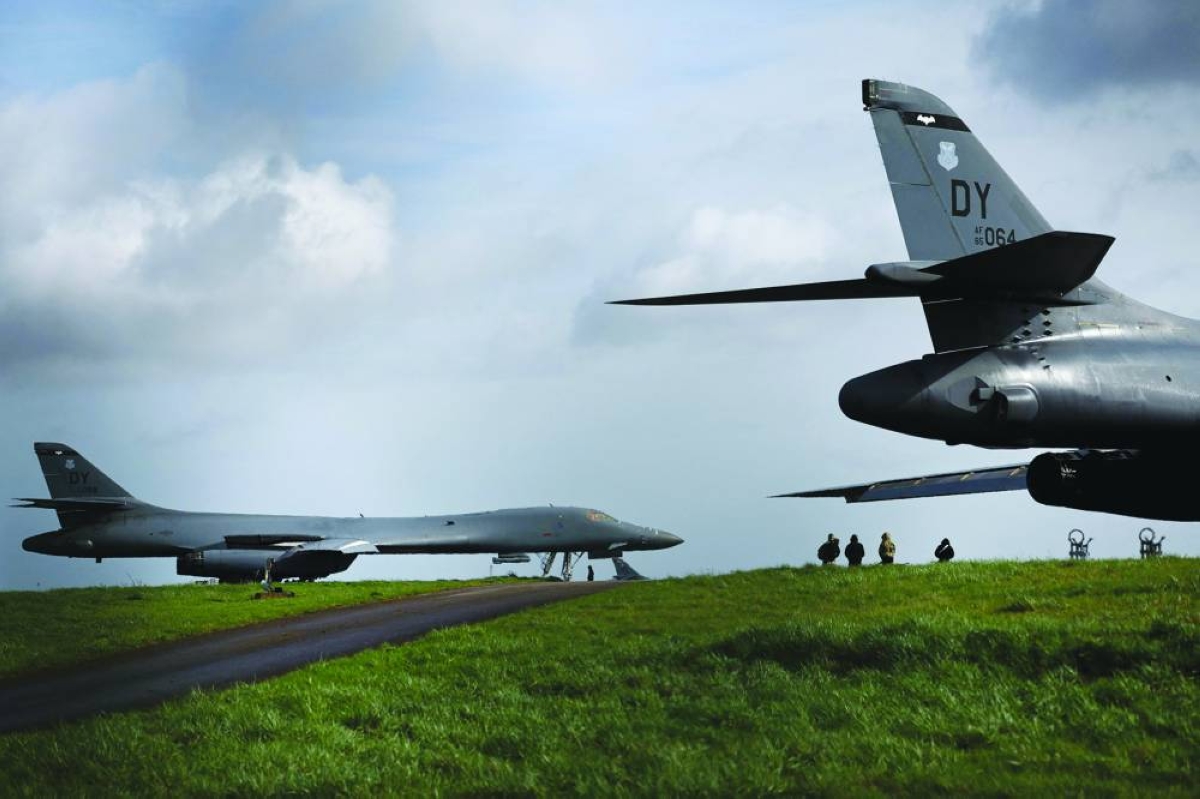
A US Air Force B-1 Lancer bombers carrying Joint Direct Attack Munitions (JDAM) are prepared for take off, from RAF Fairford in south-west England. Fairford is one of two bases, along with the Diego Garcia

World
India tells LPG users to switch to piped gas wherever possible

India tells LPG users to switch to piped gas wherever possible

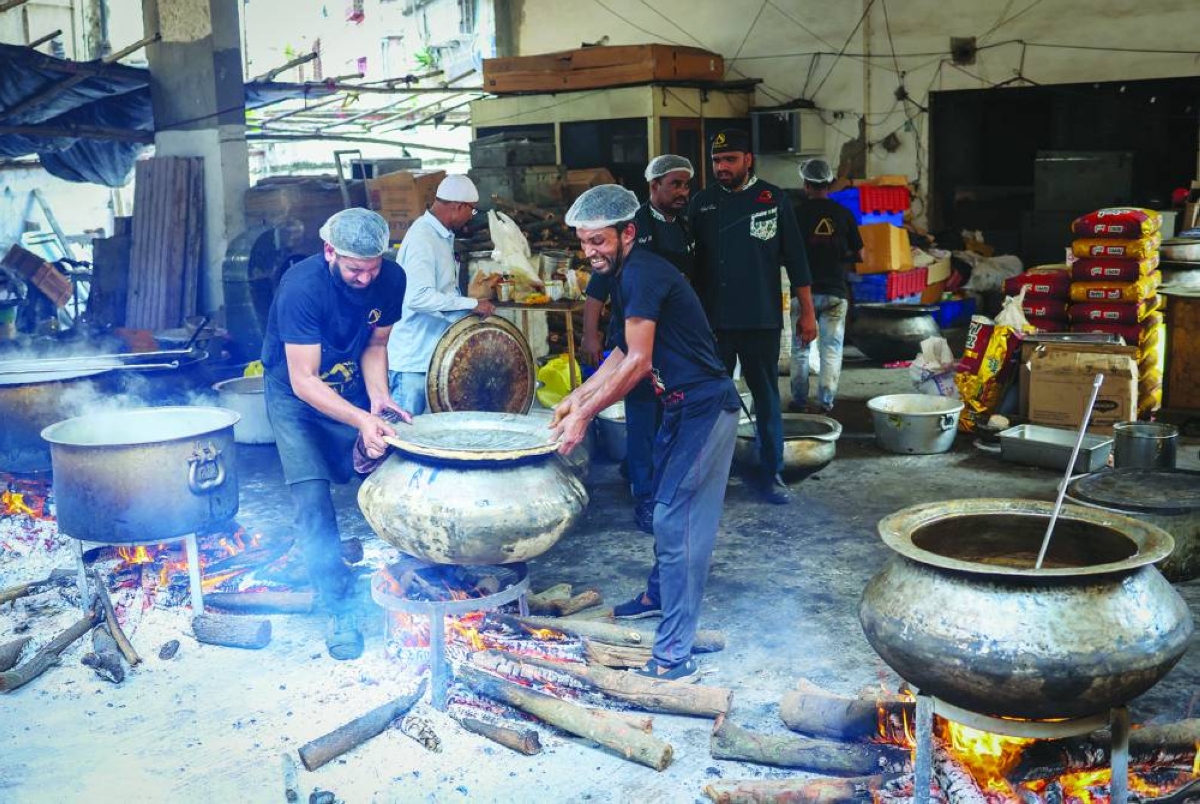
Arsalan restaurant chefs cook biryani in traditional cooking pots on wood fire at an open centralised kitchen of Arsalan restaurant amid disruptions in commercial LPG supply, in Kolkata, yesterday. (Reuters) India has asked liquefied petroleum gas ​consumers to avoid ‌panic buying of LPG cylinders and shift to piped ‌natural gas ⁠where possible, ‌oil ministry official Sujata Sharma ‌said yesterday.India's crude oil, LPG, and liquefied natural gas ⁠supplies have been disrupted due to global shipping constraints after the US-Israeli war with Iran halted traffic through the Gulf and the Strait of Hormuz."LPG is an issue of concern," said Sharma, a joint secretary in the federal oil ministry, adding the government is cracking down on black marketing ​and hoarding of LPG cylinders in co-ordination with states.About 333mn households use LPG cylinders, and more than 150mn get gas ‌supplies through pipelines. Sharma ⁠said about six mn ​LPG-consuming households could easily switch to piped gas use."We ​request them to avail piped gas connection to ease pressure on LPG," she said.She also said that commercial and industrial consumers in major urban cities facing LPG shortages should contact their local city gas distribution company to arrange a piped gas connection.India consumed 33.15mn metric tonnes of cooking gas last year, with imports accounting for about 60% of demand. About 90% of those ‌imports came from the ‌Middle East.Panic buying had ⁠pushed daily LPG booking requests to about 7.6mn as ⁠of Thursday from around ⁠5.5mn on March 1, with most bookings made online, Sharma said.India has asked refiners to boost LPG production. Domestic LPG production has risen by 30% since March 5, she said.The government has prioritised LPG supplies for households, followed by hospitals ​and educational institutions, while allowing commercial users to use alternative fuels such as biomass, coal and fuel oil.India has asked Coal India, the country's top coal producer, to make coal available to small and medium enterprises and the hospitality sector, including restaurants and hotels, Sharma said.To overcome the shortage, Indian ports are giving priority berthing to LPG carriers, said Rajesh Kumar Sinha, ‌special secretary at ​the ministry of shipping. 

World
Sri Lanka to repatriate remains of 84 Iranians killed in US attack

Sri Lanka to repatriate remains of 84 Iranians killed in US attack

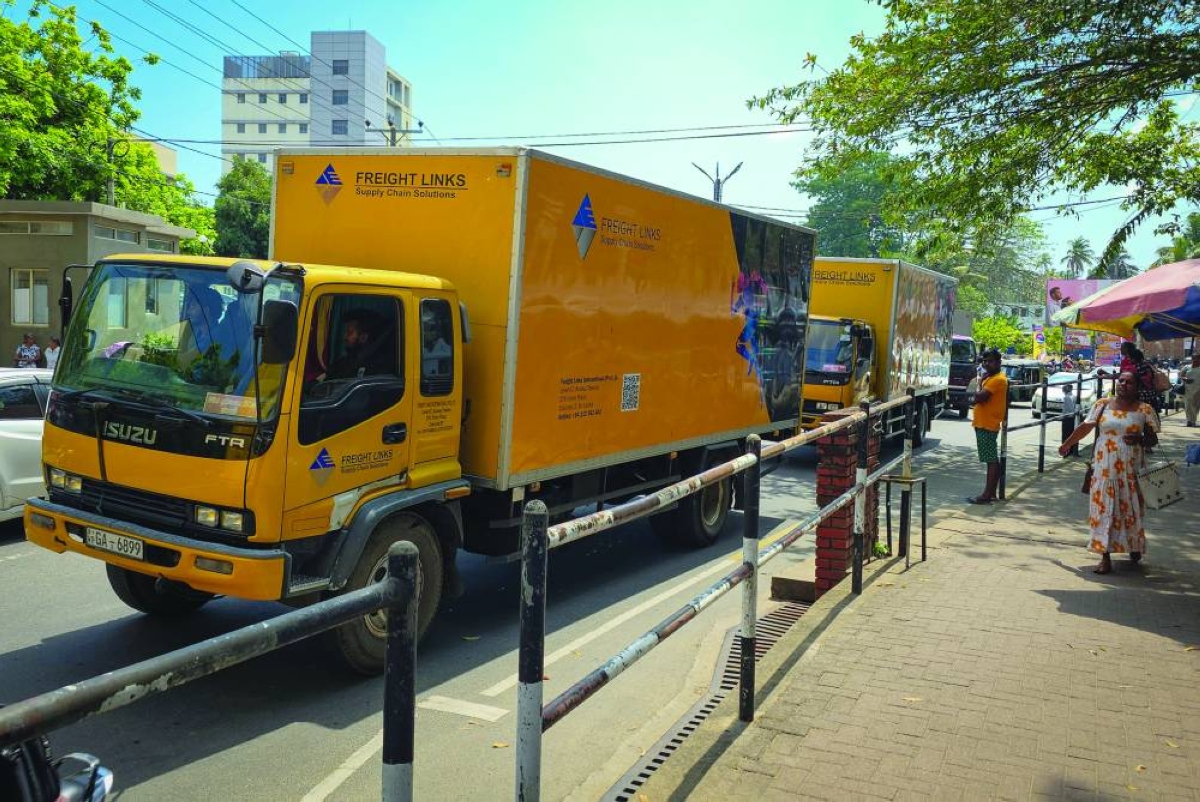
Trucks carry bodies of Iranian sailors, who died following a submarine attack on Iranian military ship, IRIS Dena, off the coast of Sri Lanka, to an airport, in Galle, yesterday. (Reuters) Sri Lanka is repatriating yesterday the remains of 84 Iranian sailors who perished when their frigate was sunk nine days ago by a US submarine, the Foreign Ministry said.The seamen were killed when IRIS Dena was torpedoed on March 4 just off the coast of Sri Lanka, in a move that extended the Middle East war to the Indian Ocean."All domestic procedures have been completed, and the Iranians are bringing a chartered aircraft for the repatriation," spokesman Thushara Rodrigo told AFP."The 32 sailors who were rescued by our navy will remain in Sri Lanka."The International Committee of the Red Cross (ICRC) had been contacted regarding the injured sailors, but they were not involved in the repatriation of the bodies, Rodrigo said.A second Iranian warship, IRIS Bushehr, was allowed into Sri Lankan waters a day after Dena was sunk. Sri Lanka is providing safe harbour for the ship and its crew of 219.Sri Lankan officials said they have not begun discussions on repatriating the Bushehr crew and those rescued from Dena, but they will be treated in line with Colombo's treaty obligations.Of the 32 sailors rescued and hospitalised, 22 have since been discharged and are being held at an air force base in the south of the island away from the Bushehr crew. Sri Lanka is currently hosting a total of 251 Iranian sailors.— 'Humanitarian considerations' —Crew from the Bushehr are held at a navy camp just north of Colombo, while their ship has been taken over by Sri Lanka's navy, which is trying to repair one of the two engines that were reportedly malfunctioning.A third Iranian ship passed Sri Lanka and entered safe harbour in India's southern port of Kochi. That vessel's 183 crew are in Indian custody.Both Colombo and New Delhi have said they provided shelter to the Iranian sailors due to "humanitarian considerations" amid fears that they too could be killed in US attacks.The ships had been taking part in a naval exercise organised by India off the coast of Visakhapatnam when the US and Israel began bombing Iran.A local undertaker said the embalmed remains of the Iranian sailors were being sent back in sealed boxes.They are to be flown out of Sri Lanka from Mattala International Airport in the south of the country, officials said, as security was stepped up at the airport, which is located within a wildlife sanctuary.The first batch of 46 bodies was already at the airport by yesterday afternoon, awaiting an Iranian chartered cargo plane, an official told AFP.The bodies, which were plucked from the Indian Ocean, were taken to Karapitiya Hospital in Galle, 115 kilometres (72 miles) south of the capital, where autopsies were carried out.A local magistrate ordered that the bodies be handed over to the Iranian embassy in Colombo for repatriation to the next of kin.There was no immediate comment from the Iranian embassy when contacted by AFP. 

Entertainment
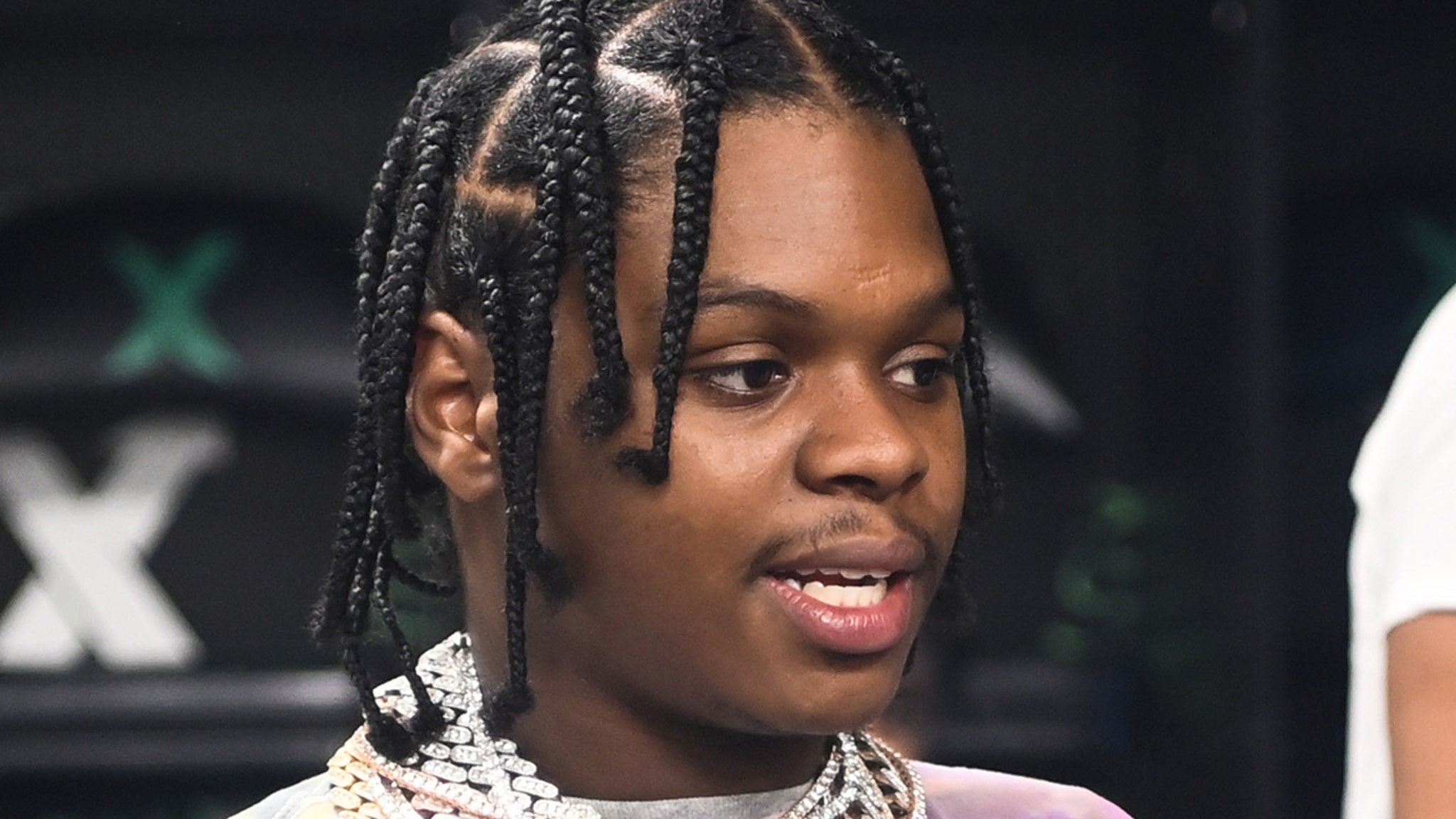
Rapper 42 Dugg Cleared of Threats to Pregnant Woman After Witness a No-Show in Court

Rapper 42 Dugg Cleared of Threats to Pregnant Woman After Witness a No-Show in Court

Rapper 42 Dugg Case Dismissed ... Faced Charges of Threats to Pregnant Woman Published March 12, 2026 1:17 PM PDT Rapper 42 Dugg is off the hook after he was charged with making malicious threats