admin
admin 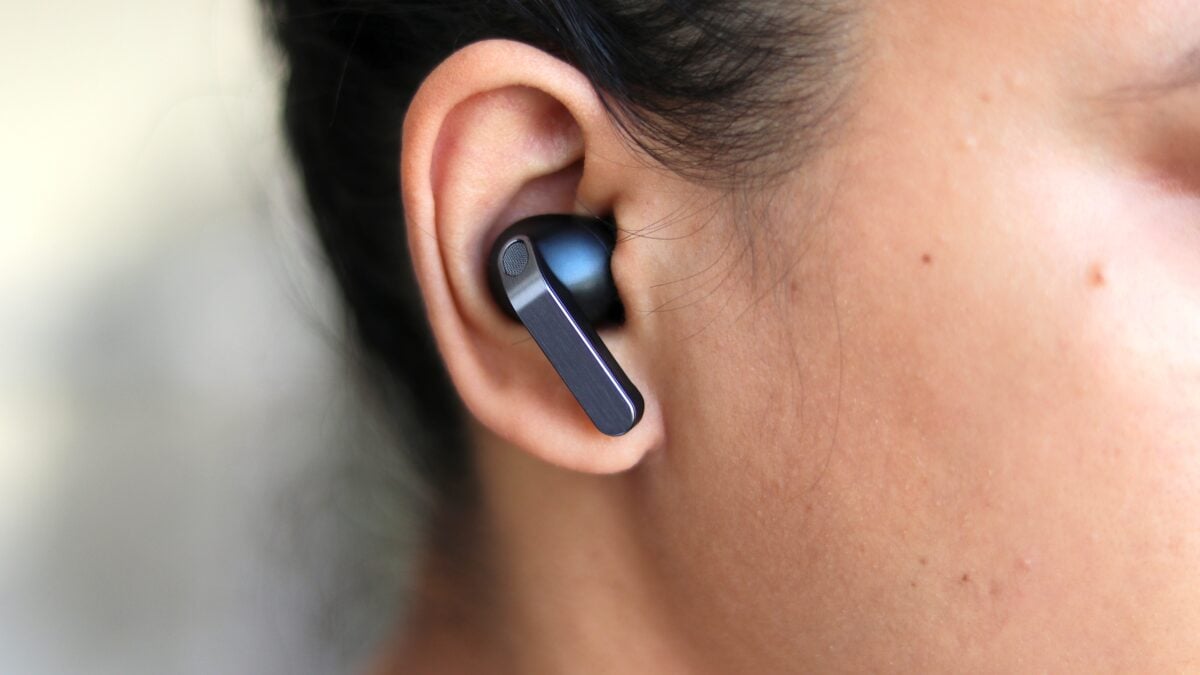
Samsung is betting that a minute of low-frequency audio can help settle uneasy stomachs on the move, launching its Hearapy app with a claim that a 100Hz tone played through earbuds can reduce motion-sickness symptoms for up to two hours. The pitch is simple: listen before or during travel, stimulate the inner ear’s balance system, and blunt the sensory mismatch that often triggers nausea, dizziness and cold sweats.
The company’s own app listing ties the feature closely to the Galaxy Buds4 Pro, saying users should play the tone for 60 seconds at roughly 85 decibels. Samsung says the app’s timer and volume controls help users find the right setting, and frames the product as a drug-free alternative for travellers who would rather avoid tablets that can cause drowsiness. The commercial appeal is obvious: motion sickness remains common across cars, buses, trains, boats and aircraft, and even modest relief could open a new health-and-wellness use case for consumer audio devices.
What gives the claim more weight than a standard gadget marketing line is the research behind it. The technology is linked to a March 25, 2025 paper published in Environmental Health and Preventive Medicine, in which researchers examined whether short exposure to a pure 100Hz tone could ease motion-sickness symptoms. The study found that one minute of sound at 80–85 dBZ before induced motion improved several measures in human testing, including balance-related posturography results, heart-rate variability linked to autonomic stress, and questionnaire scores measuring subjective discomfort.
The underlying theory centres on the vestibular system, the sensory apparatus in the inner ear that helps regulate balance and spatial orientation. In motion sickness, that system can send signals that clash with what the eyes are seeing, especially when a passenger is reading or looking at a screen while the body is moving. The paper suggests a pure tone at 100Hz may act on vestibular function, potentially through otoconia, the tiny calcium carbonate particles involved in sensing motion and gravity. That is a striking idea, but it is still a developing one rather than a settled medical standard. The authors themselves said further studies are needed to obtain more direct evidence.
There are also reasons for caution when moving from lab and controlled trials to consumer use. Samsung’s app listing presents the effect in confident terms, but the published research is narrower than the marketing message. Human tests cited in the paper covered swing, driving-simulator and vehicle conditions, and the best-documented improvements were measured immediately around those tests rather than across every form of travel a consumer might encounter. The oft-cited “up to two hours” figure is more clearly demonstrated in mice than in the human sections visible in the study summary, which means real-world duration in travellers may vary more than the app store language implies.
Sample size is another limitation. One of the human balance experiments involved 29 participants, split between people with higher and lower susceptibility to motion sickness. That is enough to make the findings noteworthy, but not enough to close the debate, especially for a condition that varies sharply by age, sex, route, vehicle type, reading behaviour and personal sensitivity. Independent replication will matter if the approach is to move beyond a promising intervention into accepted consumer health guidance.
Even so, the idea arrives at a moment when technology groups are looking for small, practical health features that can be added to devices people already own. Earbuds have moved well beyond music and calls into translation, hearing support, exercise coaching and sleep tools. A motion-sickness function fits that broader push to turn audio hardware into a multi-purpose wellness platform. For Samsung, it also creates a useful differentiator in a crowded premium-earbuds market, where advances in sound quality alone are no longer enough to stand out.