admin
admin 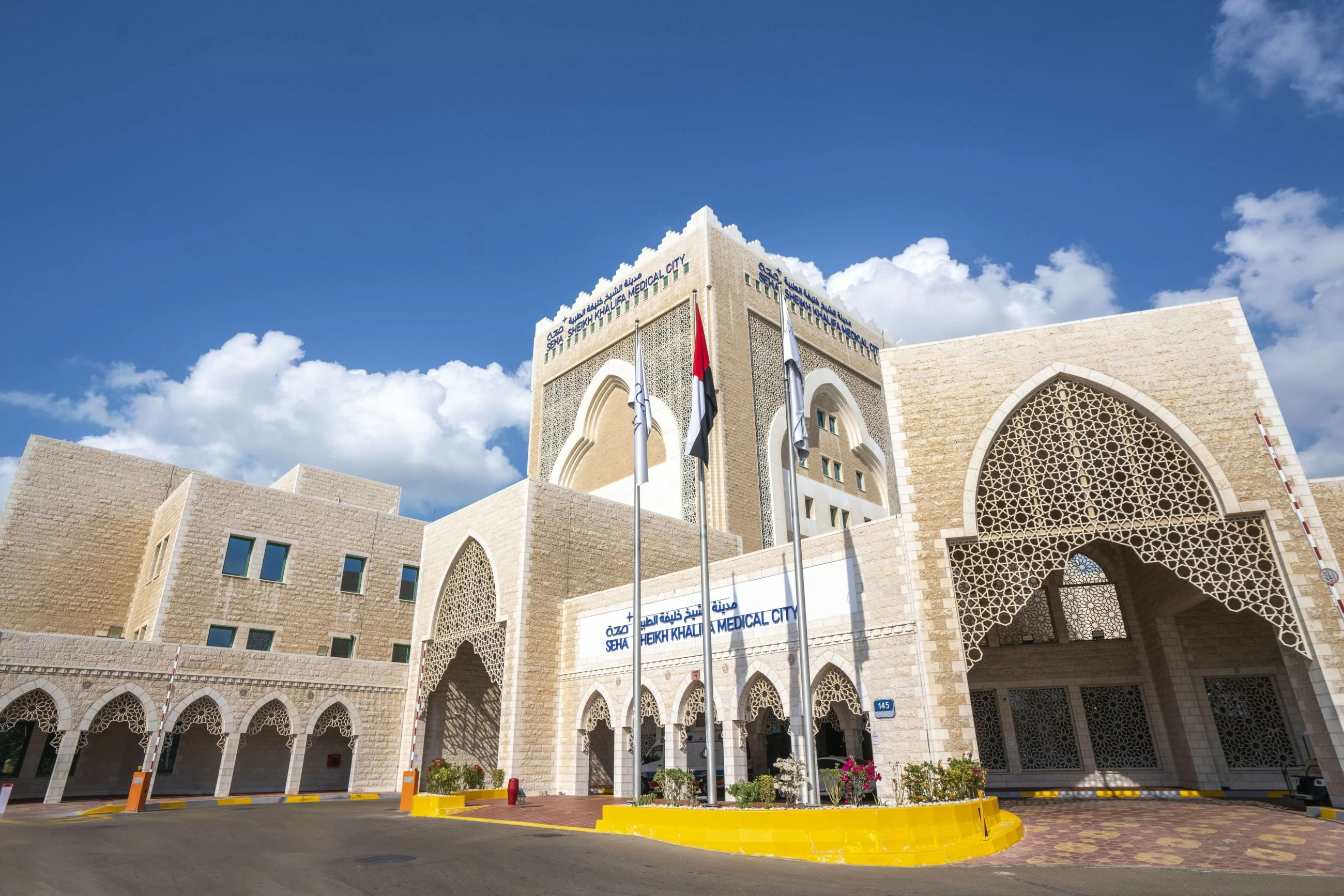
SEHA, a subsidiary of PureHealth, the largest healthcare group in the Middle East, has commended the fast response and expertise of the emergency and critical care staff at SEHA’s Sheikh Khalifa Medical City (SKMC) following a near drowning of a previously well four-year-old female child.
The child had been submerged in a swimming pool for an assumed 3 minutes in a face down position. Emergency Medical Services (EMS) was activated almost immediately after rescue of the child was performed by a bystander activating CPR at the site of the pool. Although the initial care report did not document a pulse check, the EMS team communicated the return of pulses before transport the patient to Sheikh Khalifa Medical City.
The child arrived at the hospital 30 minutes after the incident with respiratory distress. Initially, her oxygen saturation was normal with normal Glasgow Coma Scale (GCS) 15/15 indicating full consciousness.
However, within just 10 minutes, her condition deteriorated rapidly, her oxygen saturation dropped to 88% with a face mask, and her GCS fell to 13/15, suggesting drowsiness and neurological compromise.
This case highlights the exceptional readiness and vigilance of the SEHA’s SKMC Emergency Department team. Their ability to recognise and respond to high-acuity changes in real time was critical to the child’s care. A point-of-care ultrasound (POCUS) revealed bilateral crackles and lung congestion, consistent with post-submersion injury, guiding immediate and targeted intervention.
When the multidisciplinary members of the emergency team arrived at SEHA – Sheikh Khalifa Medical City, they commenced their Protocol and began to stabilise the patient. On-going monitoring and clinical reassessment allowed her to move to the Paediatric Intensive Care Unit (PICU) for further supportive care.
Dr. Fatima Al Jaberi, Consultant Pediatric Emergency at SEHA’s Sheikh Khalifa Medical City, emphasised the importance of early intervention, stating: “Timely intervention and a coordinated response can make all the difference in critical incidents like drowning. Every second counts.”
She added, “The collaborative efforts of EMS and hospital staff exemplified best practices in emergency care. There could not have been successful stabilisation or recovery without ongoing assessment and adjustment for the patient.”
This case serves as a powerful reminder of the importance of community awareness around water safety, the life-saving value of bystander CPR, and effectiveness of integrated emergency response pathways.