admin
admin 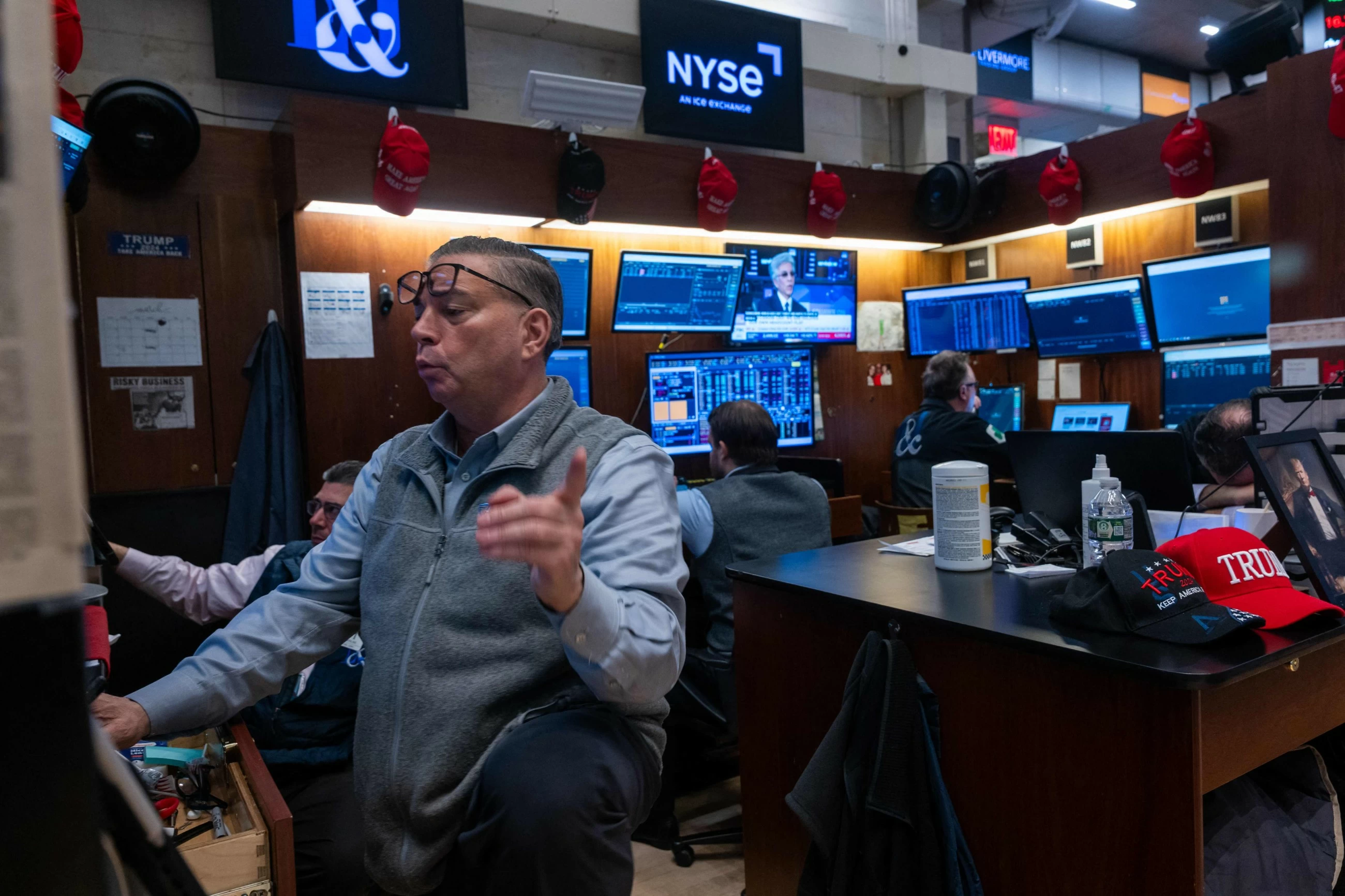
Investors were in a wary mood on Monday as hostilities in the Gulf kept oil prices elevated, clouding an inflation outlook that should keep most central banks on pause at policy meetings this week, though Australia is likely to hike.
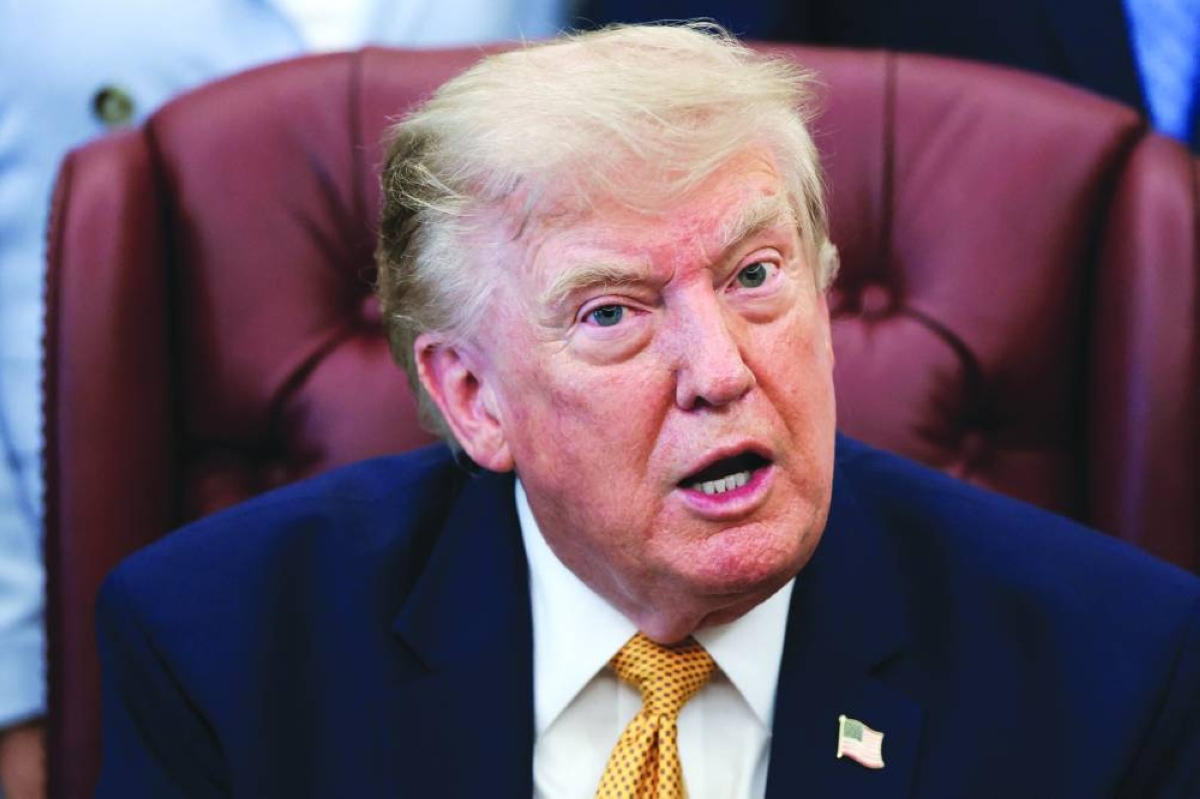
The situation in the Strait of Hormuz remained a major investor focus and US President Donald Trump’s demands for a coalition to help reopen the vital waterway appeared to fall on deaf ears on Monday as allies Japan and Australia said they were not planning to send vessels to escort ships through it.
Further complicating matters, Trump told the Financial Times on Sunday that he was expecting China to help unblock the strait before his scheduled meeting with President Xi Jinping in Beijing at the end of this month. He said he might postpone his trip if China did not provide assistance.
He also warned that NATO faces a “very bad” future if its members failed to come to Washington’s aid.
Benchmark Brent crude was last at $106.30 a barrel, up 3.7% on the day. It was below $70 a barrel in late February before the war began and had dipped under $60 in early January.
This sharp move has caused market participants to dramatically reassess what they think central banks will do and traders have slashed the amount of easing they had expected this year.
Traders have not quite fully priced one Federal Reserve rate cut this year and they expect at least one hike by the European Central Bank by the end of 2026.
And with interest-rate setters in the US, Britain, Eurozone, Japan, Australia, Canada, Switzerland and Sweden this week all holding their first meetings since the start of the war, investors hope they will get some more colour on policymakers’ thinking.
The big question for officials is “how long does the conflict last, (and) does the shock in energy prices – offset by fiscal support – cause second-round inflation effects and therefore require restrictive monetary policy,” said Kenneth Broux, head of corporate research FX and rates at Societe Generale.
“Or are economies heading down a recessionary path and does oil trigger a bear market in risk assets?”
Risk assets like stocks have fallen sharply since the war began, but were somewhat steadier on Monday as investors tried to process what might happen next.
Europe’s broad STOXX 600 was flat on Monday, though it is down 6% since the war began. US shares have fallen less, the S&P 500 is down 3.5%, and futures were up 0.5% in early European trading.
Earlier in the day, Asia-Pacific stocks nudged up 0.3%, helped by a rebound in South Korea. The once-loved, tech-heavy KOSPI benchmark has been an epicentre of selling globally since the war began, but even with Monday’s 1% gain, it is down 11% in March.
Chinese blue chips were flat after data showed retail sales and industrial output for January and February topped forecasts, while house prices continued to slip.
Top US and Chinese officials are also meeting in Paris to discuss potential deals in agriculture, critical minerals and managed trade for Trump and Xi to consider when the US president visits Beijing.
And the dramatic move in central bank pricing has caused major shifts in government bonds.
Ten-year Treasury yields were at 4.265%, a fraction down on the day after having climbed 30 basis points since the war began, while futures have sharply scaled back the scope for future rate cuts.
The Fed is considered certain to hold on Wednesday and the chance of an easing by June has fallen to just 26% from 69% a month ago.
Rate-sensitive, shorter-dated yields have moved even more dramatically and two-year German yields have risen 40 basis points, while the equivalent British gilt yield has increased nearly 60 bps.
A cautiously steady outcome is expected from the other central bank meetings, excluding the Reserve Bank of Australia which is seen likely to raise its cash rate a quarter point to 4.1% as it battles resurgent inflation at home.
The heightened volatility in markets has tended to benefit the US dollar as a store of liquidity. The US is also a net energy exporter, giving it a relative advantage over Europe and much of Asia, which are net importers.
The dollar was trading a touch lower early on Monday, partly in reaction to the report that shipping might be escorted through the Strait of Hormuz.
The dollar eased 0.3% to 159.25 yen, just off a 20-month top of 159.75, with investors wary in case a break of 160.00 triggers more warnings of intervention from Japan.
The euro inched up 0.2% from near a seven-month low at $1.1442, threatening a breach of major chart support at $1.1392 that could unleash a retreat towards $1.1065.
Gold was down 0.5% at $4,996 an ounce, having so far seen scant support as a safe haven or as a hedge against inflation risks.
Agencies