admin
admin 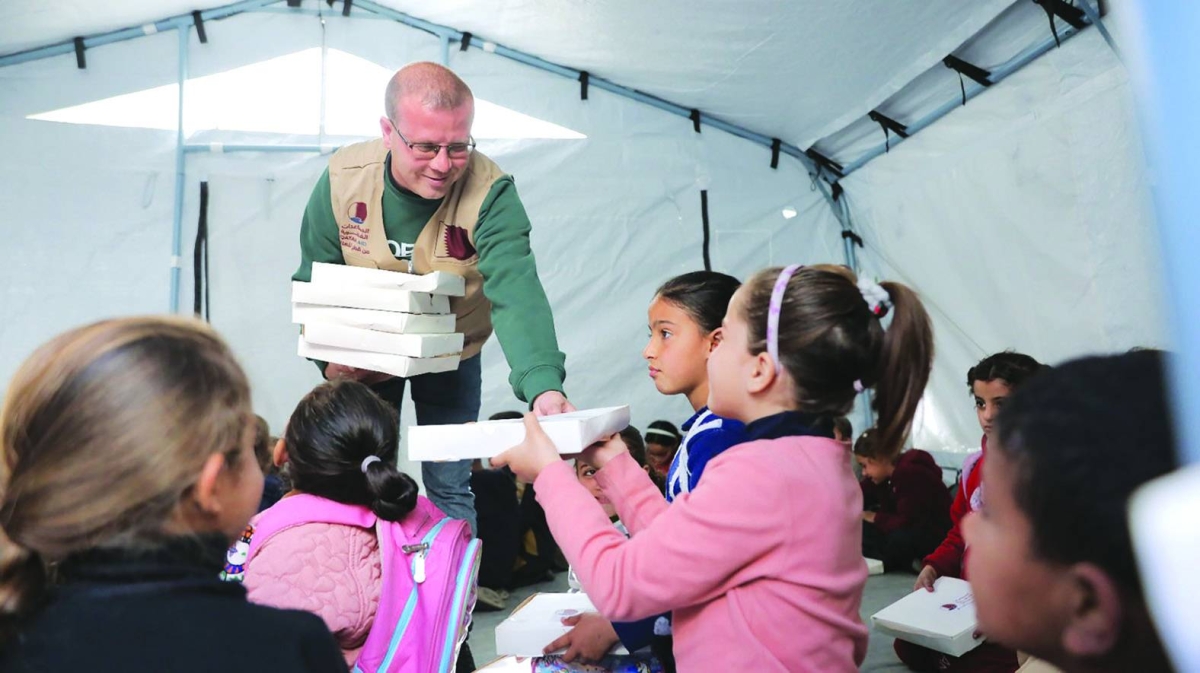
Qatar Charity (QC) said the value of its humanitarian and relief interventions and projects implemented during the first seven months of 2026 reached almost QR236mn, benefiting approximately 5.8mn people in 31 countries. It added that these operations are part of its continued efforts to respond to the growing humanitarian needs around the globe, particularly in areas battered by conflicts, disasters, and protracted crises.
Speaking exclusively to Qatar News Agency (QNA), Director of Humanitarian Operations at QC, Aisha Abdulrazzaq al-Kuwari, said throughout 2026, QC has been strengthening its humanitarian and relief operations in several crisis flashpoints, adding that the Gaza Strip, Sudan, Yemen, Somalia, and Syria currently top the response priorities, alongside giving overriding priority to refugees and internally displaced people (IDPs), including Rohingya refugees.
Al-Kuwari further noted that the magnitude of humanitarian interventions during the first seven months of the year reflects the growing scope of humanitarian needs, noting that the projects covered shelter and non-food items, water, sanitation and hygiene, health, nutrition, and education in emergencies, in addition to essential assistance for affected families, IDPs, and refugees.
QC handles humanitarian crises based on the magnitude of the needs, damage, the number of those affected, and the nature of the crisis, al-Kuwari highlighted, stressing that QC is unremittingly committed to ensuring that these interventions are based on precise field evaluations, consistent with international humanitarian standards.
She affirmed that this overall action ensures resources are primarily directed to those who are most in need and achieves a greater impact through life-saving aid, emphasizing that identifying humanitarian priorities doesn’t purely rely on the magnitude of media coverage of crises, but rather on ample media traction, despite the persistent travails of millions of people.
Special attention
Al-Kuwari remarked that the situation of refugees and IDPs garners special attention within QC’s plans, especially amid the unabated conflicts that have triggered large-scale exodus, alongside the fallout from these situations in terms of overwhelming pressures on host communities and essential services.
Handling spillover crises requires a transition from short-term emergency response to long-term humanitarian planning, al-Kuwari underlined, noting that this measure would ensure continuous interventions that go beyond primary aid to support the resilience of battered communities and address the crisis fallout.
As for Gaza, al-Kuwari said the humanitarian situation there remains among the most key priorities, as Gazans are most in need of aid, stressing that what matters most here is making sure that all humanitarian efforts do proceed to ensure the provision of essential needs, primarily food, water, shelter, and healthcare.
Operations in conflict flashpoints are marked by formidable challenges concerning the delivery of aid and safe access to beneficiaries, al-Kuwari outlined, adding that this includes difficult traffic conditions and the provision of supplies, which requires operating persistently in lockstep with humanitarian entities and partners operating on the ground.
She said that QC has worked to bolster its crisis-response readiness through enhancing its information and crisis-management systems to help monitor humanitarian developments, unpack data, and support the decision-making process. Al-Kuwari suggested that inaugurating a technological centre for information and crisis management would serve as a consequential step when it comes to advancing humanitarian response mechanisms through providing more precise and timely information about the evolving situation of crises and disasters, as well as monitoring exodus movements and humanitarian needs in the embattled zones.
She highlighted that technology and data have become essential in modern humanitarian operations, given the large scope of crises and multiple flashpoints, and that receiving this information and unpacking it rapidly would literally help humanitarian institutions identify priorities and make the right decisions at the appropriate time.
Al-Kuwari further emphasised that QC relies on a network of field offices and domestic partners as a vital source of information and evaluations to help identify the true needs of affected communities and streamline aid accessibility.
She added that logistical preparations were a crucial component of disaster response, particularly as fast aid delivery can be a decisive factor in saving lives and alleviating the suffering of those affected, noting the importance of having prior arrangements and agreements in place with service providers and suppliers of relief materials.
Regarding the key challenges plaguing humanitarian operations, al-Kuwari said current crises are marked by growing financial and logistical challenges, including throttles on financial transfers to some countries, challenges in transferring funds and relief materials to crisis flashpoints, as well as rising transportation and shipping costs globally.
She recalled that disruption to supply chains and international maritime lanes directly affects costs and the duration of aid accessibility, triggering relief agencies to explore alternative routes and optionality to ensure timely aid delivery. Al-Kuwari underlined that facilitating accessibility to battered communities is a core priority, especially in conflict-battered zones where needs rapidly grow. She stressed that what matters more is to respect humanitarian ethos and ensure unhindered relief accessibility to those in need.
It is particularly significant to forge international partnerships to bolster humanitarian response, al-Kuwari underscored, suggesting that QC is operating in tandem with several international and UN organizations and entities to help achieve concerted efforts, share expertise and information, and conduct more impactful projects.
She pointed to collaboration with the United Nations Office for the Coordination of Humanitarian Affairs (OCHA), the United Nations High Commissioner for Refugees (UNHCR), and Save the Children, alongside several entities and institutions at home. Combining efforts among Qatari humanitarian institutions would surely help bolster the response and expand the scope of operations, al-Kuwari said, noting the collaboration with the Ministry of Foreign Affairs, the Qatar Fund for Development (QFFD), the Qatar Red Crescent Society (QRCS), and Hamad Medical Corporation (HMC) in an array of humanitarian, medical, and relief fields.
Secure environment
Protecting humanitarian workers has become one of the exigent issues amid rising conflicts and crises, she said, adding that it is very important to provide a secure environment for them to have access to those affected, respect international humanitarian law, and ensure protection for civilian and humanitarian facilities.
Al-Kuwari pointed out that those workers undertake a substantial role in delivering aid to those affected, thus ensuring their safety and access is a core part of pulling off a successful humanitarian response. Regarding humanitarian work sustainability, al-Kuwari highlighted that QC does not focus on emergency response alone but strives to achieve an enduring impact through supporting affected communities and reinforcing their resilience in the face of crises once conditions become conducive.
She added that the scale of the interventions in 2026 builds on QC’s humanitarian efforts in previous years, with the value of exigent humanitarian interventions reaching approximately QR455mn in 2025, benefiting 8.6mn people in 34 countries, underscoring the growing scope of the organisation’s humanitarian work.
The figures do not reduce humanitarian work to its financial value or the number of beneficiaries but rather reflect the scale of responsibility and growing needs, as the primary goal remains to reach people affected, meet their basic needs, and preserve their dignity, Al Kuwari underlined.
Al-Kuwari applauded the gestures of benefactors and donors in Qatar who pitch in, stressing that this support is a pillar of sustaining continuous humanitarian projects and providing access to millions of those in need around the globe. Qatari dedication and a helping hand are the epitome of solidarity and compassion, an ethos that obviously characterises Qatari society, she said, stating that this magnanimous gesture helps deliver aid to those most in need in multiple territories around the world.
The operations chief added that perpetuated support offers the chance to broaden the scope of interventions and response to emerging and aggravating crises. Lastly, the official contended that humanitarian operations are a shared responsibility that requires combined efforts among humanitarian and international institutions, as well as donors and local communities.
She stressed that a powerful response to crises is not merely gauged by rapid delivery, but rather by the capabilities to reach out to those in need and achieve a true and enduring impact on their lives.