admin
admin
It only took one brilliant Panda (2010) commercial to get Egyptians laughing at the all-too-familiar experience of losing their cool. One short scene, one simple storyline, and one sharp insight were enough to capture a feeling so common that almost every Egyptian could relate to it: the feeling of completely losing it.
Many years later, comedy remains one of the most effective ways of collecting insights about human behaviour, and, in doing so, communicating an idea. With their recent marketing campaign for Bluworks, Diaries of an HR (2026), a witty three-episode series looking at the work of Human Resources (HR) professionals in Egypt, award-winning creative directors Sherif Fouad (Shico) and Alaa El Sheikh challenge the old misconception that what makes people laugh cannot also make them think.
Laughter, in fact, is often the most effective vehicle for insight. At its best, it is a way of seeing and observing human behavior, and it is through that act that the most revealing insights are made.
Going beyond just generic comedy, the campaign also draws on a distinctly Egyptian form of dark humor. More than a comedic style, it functions as a cultural language; one shaped by a society that has long responded to uncertainty and hardship with irony. In Egypt, laughter often arrives at the very moment when things seem most difficult, absurd or confusing.
Just as the Panda Cheese campaign made viewers sympathize with the panda as it teetered on the edge of losing its temper, this campaign makes viewers humanely understand the ordinary employee who walks into an HR meeting hoping for a four-hour therapy session, even if that expectation falls well outside HR’s job description.
In an interview with Shico and Alaa, who have spent nearly 15 years in the industry, they discuss with Egyptian Streets their approach to comedy in advertising and the key lessons they have learned throughout their journey.
Why do you often choose comedy as a creative tool in your advertising campaigns?
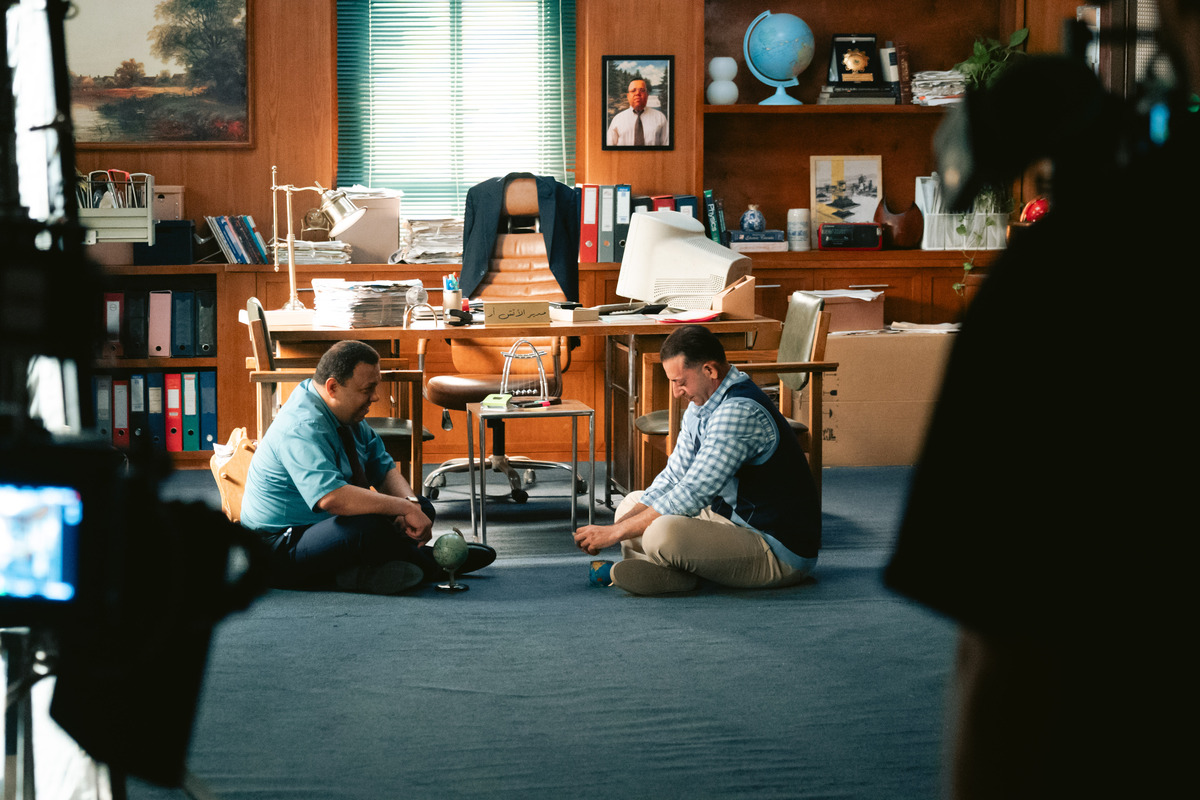
Shico: Comedy ads are usually built around an insight, something that a specific target audience immediately recognizes from their own lives.
And when we say “insight,” we mean a real-life experience your audience can relate to. Alaa and I have created a lot of comedy marketing campaigns, and almost all of them start with an insight. The people we’re targeting need to watch the ad and think, “That’s exactly me.” That’s how they could connect emotionally with the message.
For example, we worked on several Nescafé marketing campaigns centered around students and youth culture. The stories were based on situations that university students face every day. In the end, the product became the solution to that problem.
When someone watches the commercial and says, “I’ve literally been through that,” then we’ve done our job.
Alaa: And that’s when the campaign starts spreading organically. People send it to their friends saying, “This is so you.” They tag each other in the comments. They share clips and jokes from it, and that’s when we know the campaign has succeeded.
For us, success is simple: if a large portion of the target audience points at the screen and says, “That’s me,” then we’ve achieved what we wanted.
How do you go about creating relatable characters, like the HR manager in your recent campaign?
Shico: As soon as we received the brief, the first thing that came to mind was our own experience. We spent years working in the industry, and we’d constantly find ourselves walking into HR’s office saying things like, “My manager is driving me crazy.”
We’d sit there venting about work, and HR would end up acting like our therapist. Sometimes I’d go in. Sometimes Alaa would. We’d complain about personal issues, work frustrations, everything. So this wasn’t something we imagined. We actually lived it.
That’s why the campaign resonated with so many people. Everyone does it. We all treat HR as if they’re a babysitter, a therapist, or a life coach.
So, we built the entire campaign around that single insight: HR isn’t your babysitter. HR isn’t your therapist. HR isn’t your life coach.
Alaa: The funny part was that HR would always listen, respond, and spend a long time talking to us. Maybe because they genuinely cared about us, or maybe because they were just being kind. But the reality is…that’s not actually their job.
They often end up doing all those things anyway, and it consumes so much of their time that they can’t focus on the job they’re actually supposed to do. That naturally led us to the product solution. The application basically says: “Don’t waste your time. Focus on your actual work, and let the app handle everything else.” It was a very simple idea built on a very relatable truth.
Your casting always feels spot-on. How do you find the right actors to bring your comedic characters to life?
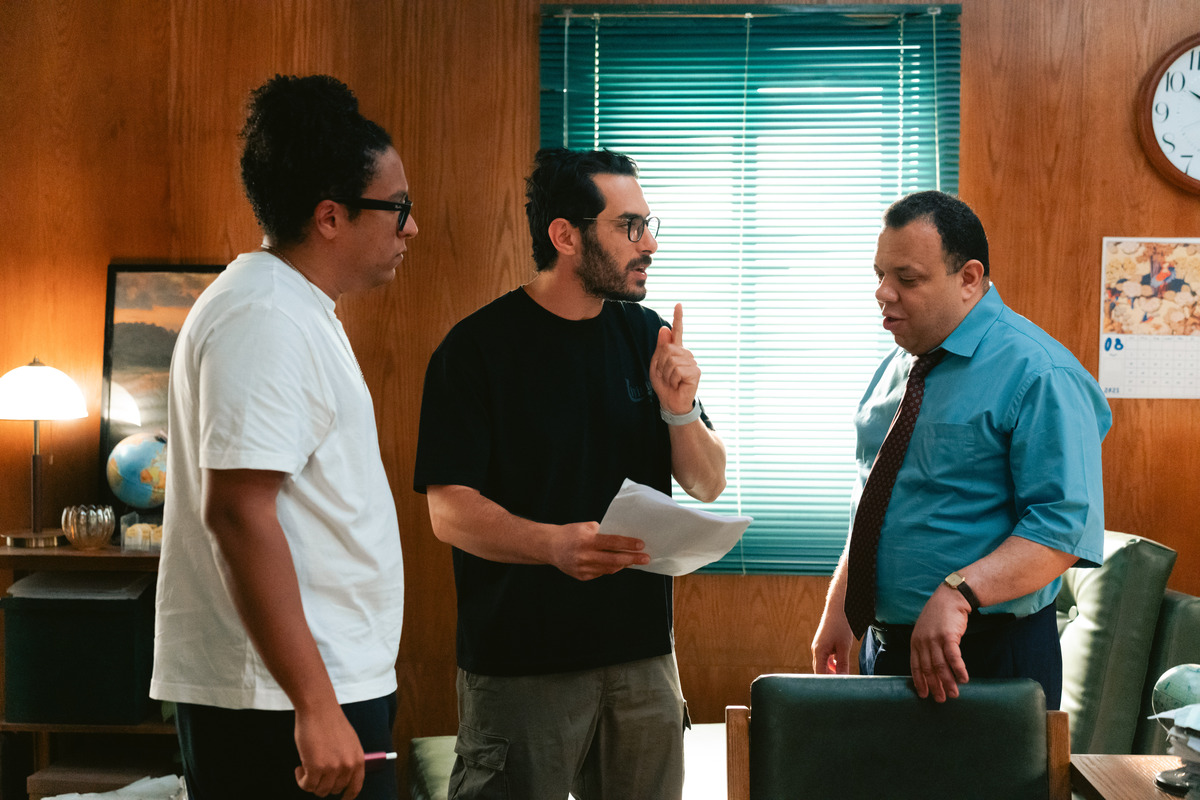
Shico: Our casting agency dedicated nearly two weeks to an extensive casting search across Egypt. By the end of it, they were exhausted. They were literally telling us, “Guys… we’ve run out of people to audition!” And honestly? We still hadn’t found anyone we liked.
The campaign had several important roles, such as the HR character, other employees, and a number of supporting characters, so finding exactly the right people took much longer than usual.
The HR role, especially, needed someone whose expressions alone could make people laugh, even before delivering a single line. That’s why we were so particular during casting.
The client gave us a very specific description of who HR is. They kept telling us: “HR isn’t some intimidating authority figure. They’re just ordinary people.” So, we weren’t looking for someone glamorous or overly polished. The client even described what they usually see whenever they walk into an HR office, whether it’s a factory, a retail store, or a regular local company.
Alaa: That authenticity mattered. We wanted someone who felt like a real Egyptian HR employee, not someone who looks like a model, spends every day at the gym, eats perfectly healthy, or has a “Class A” corporate image. He had to feel like an ordinary Egyptian man.
The moment we found that actor, his facial expressions and the way he naturally spoke convinced us immediately. We knew he was the right person for the campaign.
Was the dialogue intentionally written to reflect the way Egyptians speak in everyday life?
Shico: Yes, very much. When we first received the brief, the client wasn’t just asking us to make funny commercials. The application solved several different HR problems: attendance and absences, vacation requests, salary advances, delayed salaries.
Our challenge was to create a separate story around each problem and demonstrate how the application solved it. It was almost like putting together a puzzle. Each commercial needed three pieces: the employee’s problem, the real-life insight behind that problem, and how the application solves it. Only when those pieces fit together did the story feel complete.
Alaa: Delayed salaries turned out to be one of the biggest pain points for their audience. And when your salary is late, it doesn’t just affect your work; it affects your entire personal life. You can’t buy things for your children. You can’t pay for activities. Every part of your life starts getting disrupted.
So, we decided that this character would be a mother with two young children whose salary hadn’t arrived. She’s completely overwhelmed, so she storms into HR’s office because, in her mind, HR is the person who should fix everything. That became the emotional foundation of the scene.
Did the campaign evolve a lot during production?
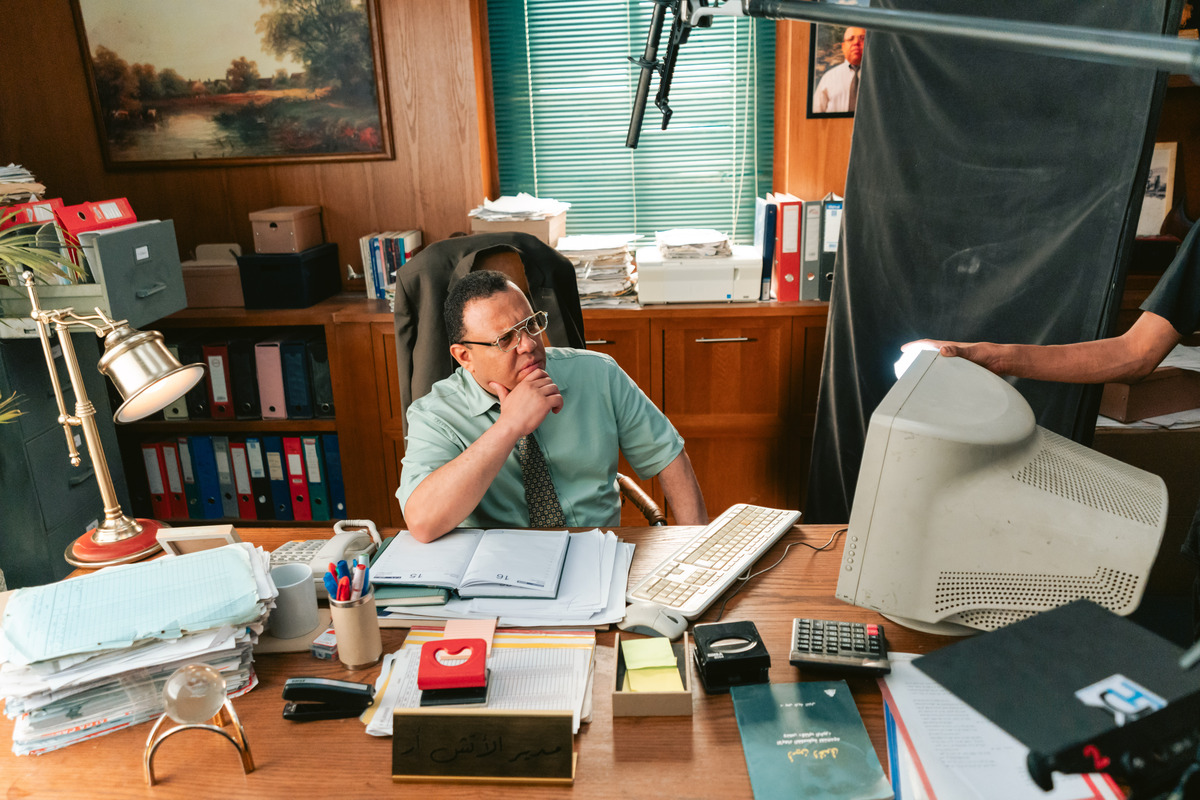
Shico: People often think that you come up with the entire idea on day one, but that’s rarely how it works. You start with the core concept. Then, as production moves forward, you keep adding layers. While we’re filming, new ideas come up. Someone suggests adding a moment. Someone else suggests a sound effect.
Then, during editing, completely new ideas appear. Some of our favorite moments didn’t exist in the original plan; they were discovered on set. Others only came together in the edit. So, until the day the commercial is actually published online, we’re still improving it, refining it, and adding little details that make it stronger.
Alaa: There was a complete written script before we ever started shooting. The actors memorized it, and that’s what we used during production. But while we were behind the camera, Alaa and I were constantly coming up with new ideas. Sometimes we’d suddenly think of a funnier line, a better reaction, or a small improvisation.
Those little moments weren’t always in the original script, but if they made the scene better, we’d include them. That’s really how the creative process works: you start with a solid script, then you keep discovering better ideas all the way until the final edit.
Sometimes a joke is funny on its own, but if it disrupts the rhythm of the commercial, it has to go. So we always choose the version that made the overall story stronger, not necessarily the version with the most jokes.
Looking back over your career in advertising, were there any films, comedians, or campaigns that influenced the way you approach comedy?
Shico: Egyptian advertising has always been among the strongest in the world. I genuinely believe that. The campaigns that came out around 2008 and 2009 definitely inspired us. But honestly, I don’t think my approach to comedy comes from one specific comedian or one particular film. It’s much bigger than that.
I’m 35 years old now, and everything I’ve experienced over those 35 years contributes to the way I think. The films I’ve watched. The commercials I’ve seen. The situations I’ve lived through. The people I’ve met. All of those experiences combine to shape the ideas I come up with.
Sometimes I’ll remember a single line from a film I watched years ago; it doesn’t even have to be an Egyptian movie. Then I’ll receive a creative brief, and suddenly something clicks in my mind. That one sentence sparks an entirely new direction. From there, we keep developing it until it eventually becomes a full campaign.
So comedy becomes something you naturally develop over time?
Shico: Exactly. The more life you experience, the more material you have. You start looking back at situations that once felt frustrating or stressful, and later they become funny. That’s where a lot of comedy comes from.
Both Alaa and I are constantly observing life. If I see something funny happen in real life, my first thought is often, “That would make a great commercial.”
For example, if I’m taking an Uber from Zamalek near Cairo’s downtown to New Cairo in East Cairo, I usually spend the whole ride talking to the driver. I enjoy hearing people’s stories. It’s important because I don’t spend all my time with people who have the same background as me.
Why do you think people often turn to comedy as a way of dealing with challenges?
Alaa: There’s something we always explain to clients as creatives, which is that the strongest comedy usually comes from pain.
Comedy rarely comes from pure positivity. Whenever a client comes to us and says, “We want comedy,” we always look for the struggle behind it. Because the funniest moments usually come from real difficulties.
If you watch any truly great stand-up comedian, you’ll find that pain is usually the foundation of the joke and the difficult experiences are often what create the funniest stories.
Shico: People sometimes confuse humor with bullying. But they’re not the same thing. A lot of humor comes from teasing, from looking at something and making a joke about it. Alaa and I have created several comedic marketing campaigns, and sometimes people accuse us of being offensive or inappropriate.
But that’s never the intention. We’re not trying to attack anyone. We’re simply using humor to look at everyday situations from a different perspective. Comedy allows people to laugh at things instead of feeling overwhelmed by them.
Finally, what advice would you give to the next generation of advertising creatives?
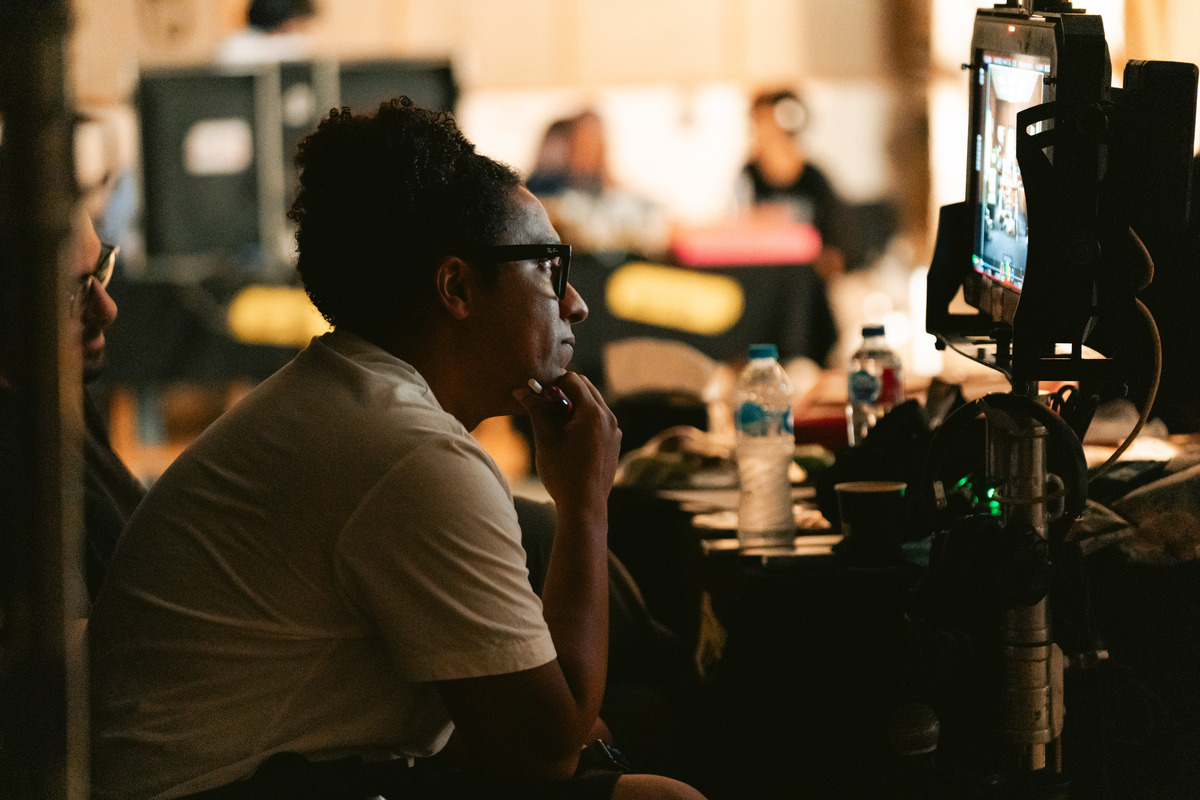
Alaa: I think the biggest misconception is that creativity is simply talent. I completely disagree. Through my work with Alaa, and even through working with other people before, I believe creativity is 20 percent talent, 80 percent hard work and experience. Talent helps, but experience and effort are what truly develop creative thinking.
Shico: AI should be a tool, not a replacement for thinking. Even when Alaa and I use AI, we use it like a junior teammate. Not as someone who creates the idea for us. We don’t say: “Give us an idea.” Instead, we give it direction. We explain what we want, what we’re looking for, and what problem we’re solving.
Ideas come from human experience. They come from emotions. They come from the things we have seen, lived through, and experienced.
Creative thinking is not something physical that someone can simply show you. It happens inside our minds. Someone cannot just say, “Do this exact thing, and you’ll create an idea.”
But when one studies enough work, connections start forming in their head, and they start asking: “How did Pepsi come up with this campaign?” “How did Coca-Cola create this idea?”
Slowly, one example after another, you begin to understand how great creatives think.