admin
admin 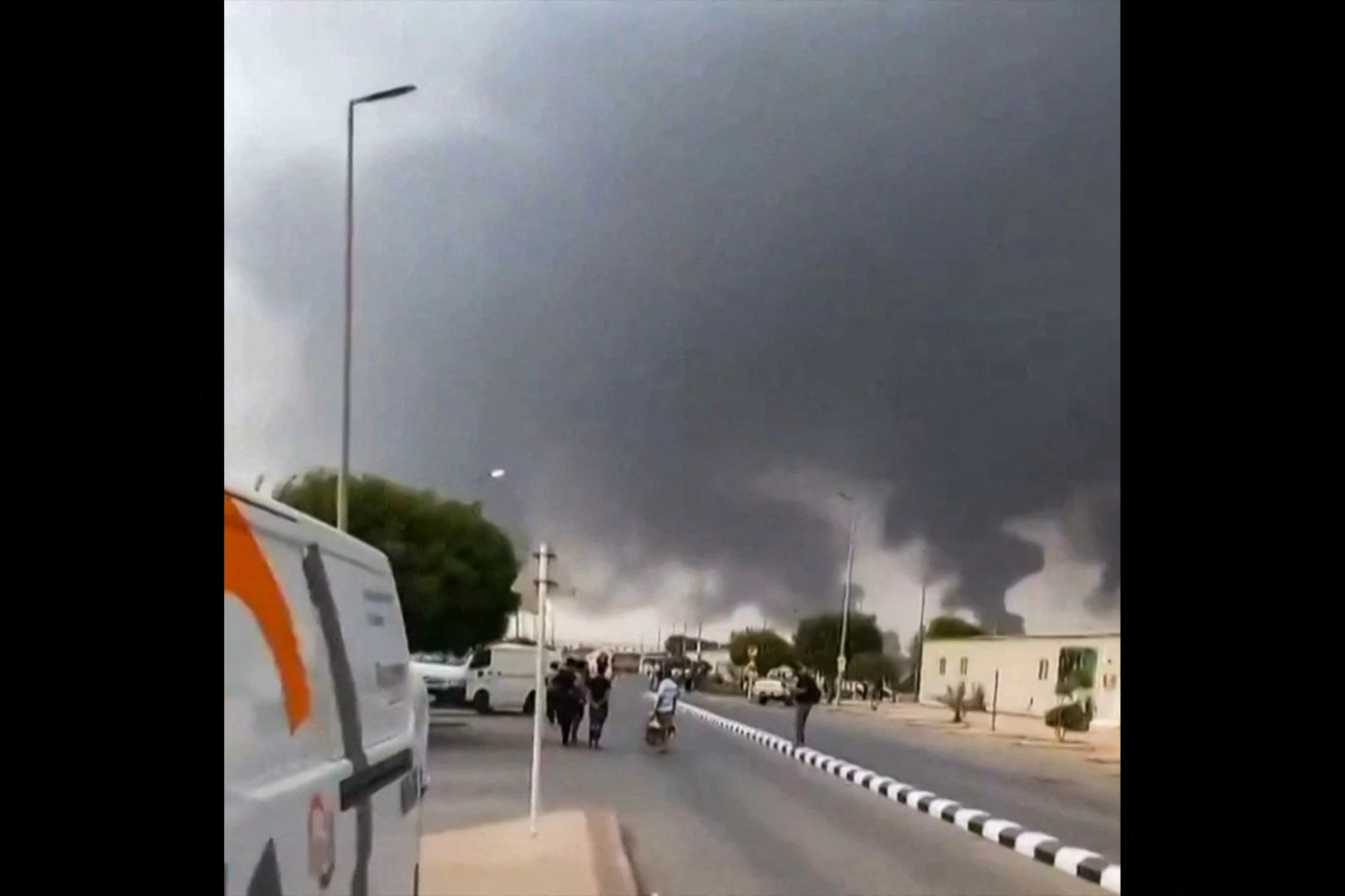
Yemen’s Iran-aligned Houthis fired on Saudi oil installations in two ports on the Red Sea coast on Saturday, but the United States held back from launching air strikes on Iran itself for the first night in two weeks.
There was no immediate explanation from Washington of why it had abruptly halted a streak of 13 nights of escalating strikes since an interim deal to end hostilities collapsed, in retaliation for Iranian attacks on shipping in the Strait of Hormuz.
“It seems that our dear Iran had a peaceful night last night,” Health Ministry spokesperson Hossein Kermanpour said on X.
Iran’s Foreign Minister Abbas Araghchi said on Saturday there was no military solution to the escalating conflict between Saudi Arabia and the Tehran-backed Houthi rebels in Yemen, after both sides traded attacks.
“We believe that there is no military solution to the issue of Yemen, Bab Al Mandab, and other regional issues,” said Araghchi in an interview published on Saturday by the state-run Iran Daily newspaper, calling for “dialogue.”
He said the situation in Yemen “cannot be attributed to Iran” and that the incidents in the Bab Al Mandab Strait were “rooted in old disputes and issues between Yemen, Saudi Arabia and the countries of the region.”
Iranian foreign ministry spokesman Esmaeil Baqaei made similar remarks, expressing Tehran’s readiness to facilitate any talks between the two sides.
After the quiet night in Iran, there were also no reports on Saturday of attacks from Iran on its Gulf neighbours, which have also been taking place daily in response to the US attacks.
However, the strikes from Iran’s Houthi allies on Saudi Arabia were a sign that the war that has disrupted energy supplies from the Gulf could be spreading to a second major shipping route, and reigniting Yemen’s own civil war.
Houthi military spokesperson Yahya Saree said the group had successfully struck sites belonging to Saudi state oil giant Aramco in Jizan and Yanbu. Video shared on social media and verified by Reuters showed a large column of smoke rising from the direction of the Aramco refinery in Jizan.
Two Asia-based trading sources said that they had been informed of potential damage to fuel and oil storage sites at Jizan. Aramco did not respond to requests for comment.
In Yanbu, two ballistic missiles aimed at oil installations were intercepted by a US-made Patriot battery operated in Saudi Arabia by the Greek military under an agreement with Riyadh, Greek security sources said.
Yanbu is Saudi Arabia’s main Red Sea oil port, where millions of barrels a day are loaded, and has become the main route out for Saudi oil skirting the Strait of Hormuz, which has been blockaded by Iran.
Jizan, on the Red Sea close to the Yemeni border, is the site of a refinery with a capacity of 400,000 barrels per day.
In Yemen, the air force of the Saudi-backed, internationally recognised government, which has opposed the Houthis for more than a decade, struck Houthi missile and drone launch sites and arms depots in the Marib and Al Jawf provinces, Yemeni officials said.
Earlier, the Saudi-led military alliance said it had bombed Houthi military positions on Friday in the Red Sea port of Hodeidah.
The Yemeni officials said both sides in Yemen’s civil war were mobilising forces along the front.
US President Donald Trump on Friday vowed “major military punishment” for Tehran and the Houthis after the Houthis struck two Saudi tankers in the Red Sea.
An interim truce meant to end the war effectively collapsed two weeks ago, with US forces striking targets in southern Iran in response to Iranian disruption of shipping in the Strait of Hormuz.
Trump has threatened in recent days to widen the range of targets to include Iran’s energy plants and bridges, send ground forces to seize its oil hub of Kharg Island, and bomb a deep-underground nuclear-linked site known as Pickaxe Mountain.
On Friday, however, Trump said he had not yet made a decision on new major strikes. “We are talking to them,” he told reporters at the White House.
“I think they’re being serious. I think … they are being by far the most serious that we’ve seen them, but that doesn’t mean we get there.”
Agencies