admin
admin 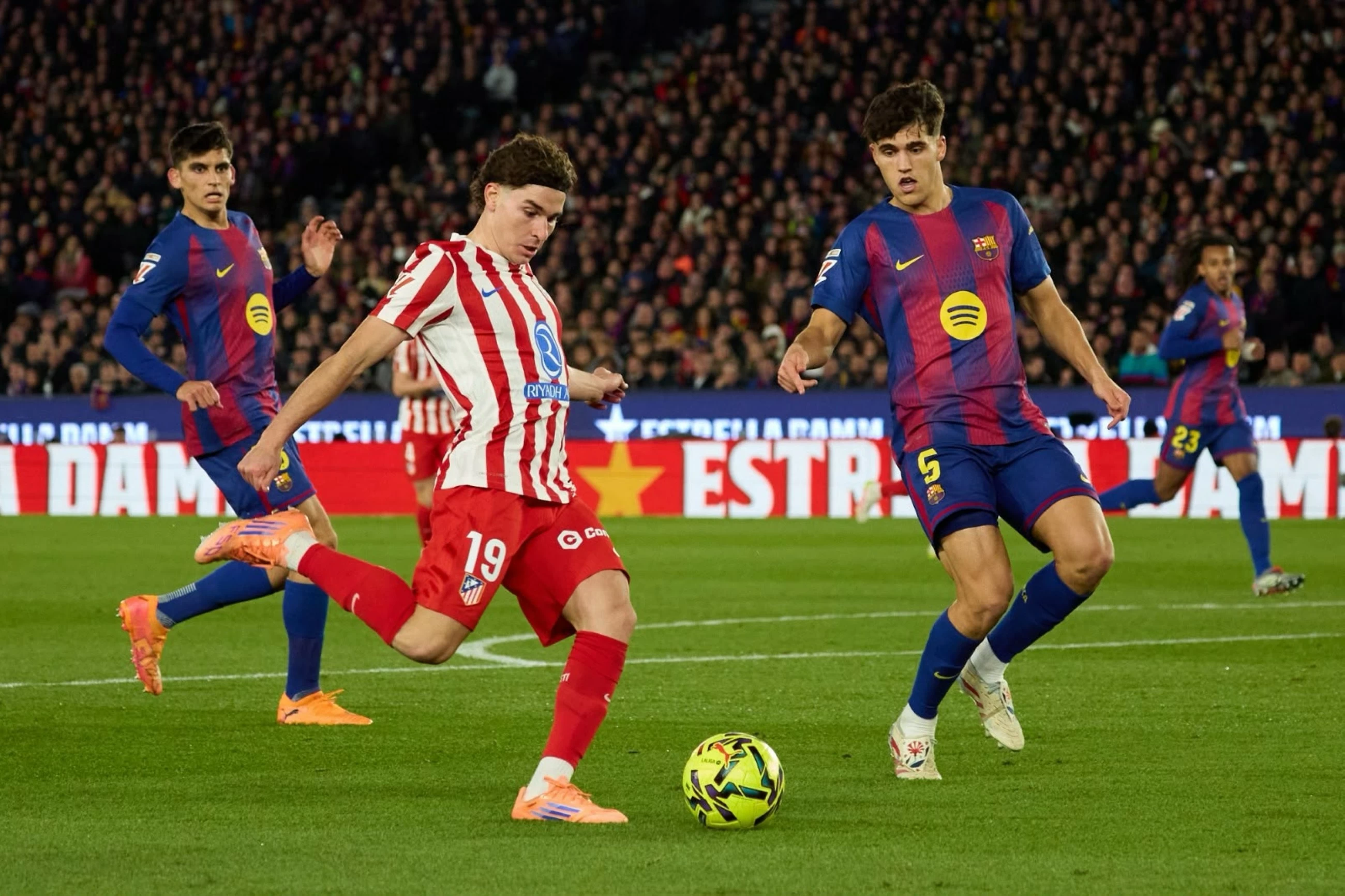
DUBAI: The 2026 World Cup heads into its final match with one clear conclusion from a domestic competition perspective: La Liga EA Sports is the most represented league in the final.
Spain and Argentina, the two national teams competing for the title, have named a combined total of 52 players in their squads, 24 of whom are currently on the books of La Liga clubs ahead of the 2026/27 season.
This figure places the Spanish competition well ahead of every other league. The Premier League ranks second with 13 players, while Ligue 1 has five representatives.
They are followed by Serie A, the Bundesliga, MLS and Argentina’s Liga Profesional, with two players each, while the Primeira Liga and Brasileirao each have one representative.
A total of 52 players in the tournament represent clubs from eight different leagues around the world. La Liga EA Sports has the largest representation with 24 players, followed by the Premier League with 13. Ligue 1 contributes five players, while Serie A, Bundesliga, Major League Soccer (MLS), and the Argentine Primera Division (Liga Profesional Argentina) each have two players. The Primeira Liga of Portugal and Brazil’s Brasileirao Serie A each have one player represented.
Such dominance by a single league in a World Cup final had not been seen for 20 years, when Serie A was the clear driving force behind the Italy versus France final.
The figure builds on a trend that was already evident in the semi-finals. In the previous round, La Liga and the Premier League accounted for the largest share of players involved in the closing stages of the tournament. However, following Spain and Argentina’s qualification for the final, the Spanish competition now holds a clear lead in the ranking of players still involved in the World Cup.
La Liga’s influence is not limited to squad representation. It is also reflected in its direct impact on the pitch. Across the semi-final matches involving Spain and Argentina, 16 of the 44 starting players belonged to La Liga clubs, further demonstrating the competition’s prominent role within the teams that have reached the final.
Moreover, two of the five goals scored in the semi-finals came from La Liga players — Mikel Oyarzabal and Anthony Gordon — reinforcing the fact that the Spanish competition’s presence is not only significant in quantitative terms, but also in qualitative terms.
This dominance in the final adds to other notable figures from the tournament. By the end of the quarter-finals, all four Player of the Match awards from that round had gone to La Liga players: Kylian Mbappe, Lamine Yamal, Bellingham and Julian Alvarez. This trend further confirms the influence of players from the Spanish competition in the World Cup’s decisive matches.
Ultimately, La Liga reaches the World Cup final as the competition with the highest level of representation among the finalists, accounting for almost half of the players in the Spain and Argentina squads and playing a decisive role both in the starting line-ups and in the attacking output during the final rounds.