admin
admin 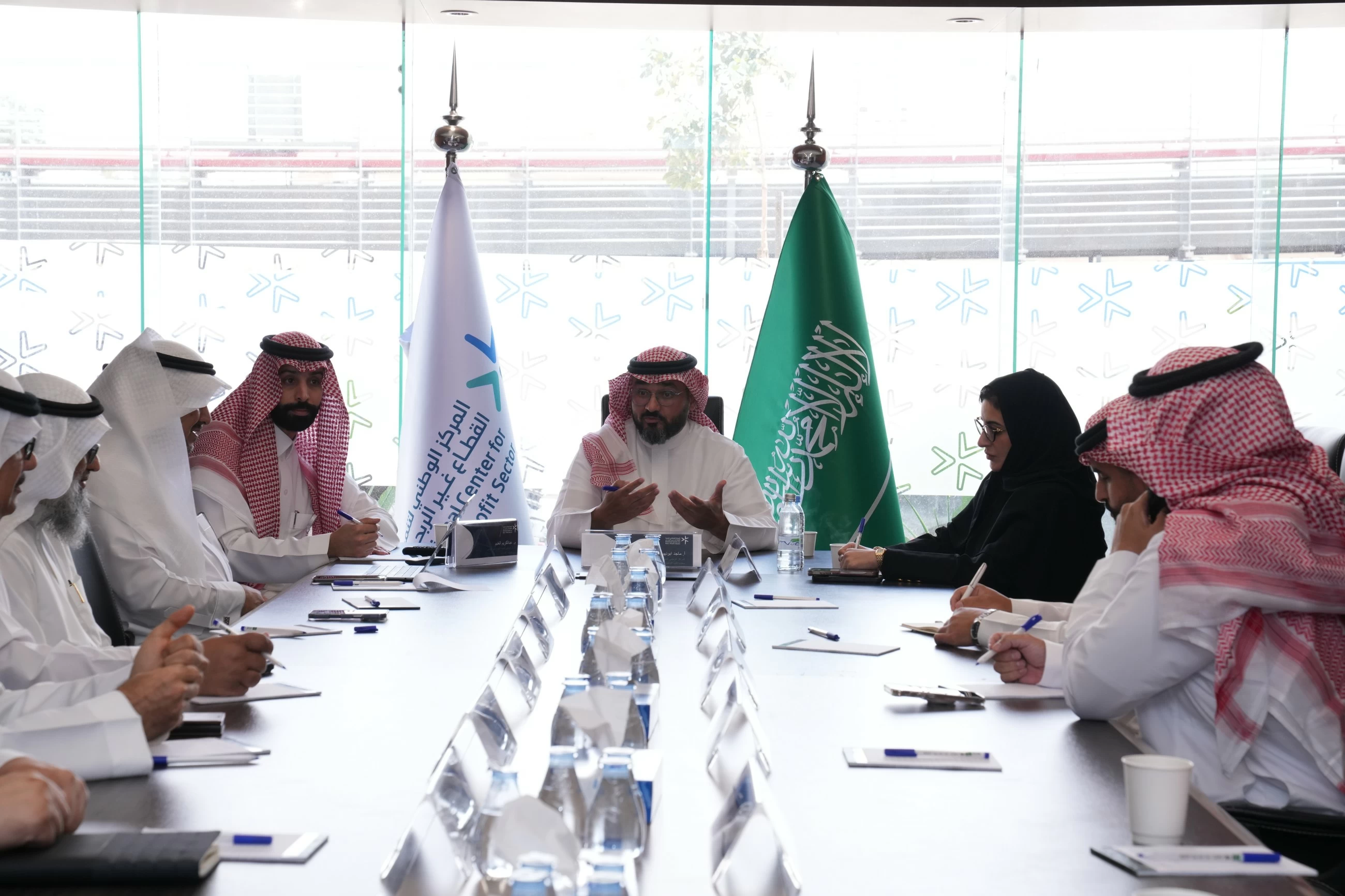
As impact investment continues to expand globally, attention is increasingly shifting toward a challenge that extends beyond financing itself: ensuring that organizations possess the capacity required to absorb capital and translate it into measurable social outcomes.
Across many emerging markets, non-profit organizations often face a gap between growing funding opportunities and their ability to convert financial resources into sustainable impact. Governance limitations, capability shortages, and weak operational systems can constrain organizations from achieving the outcomes that investors and communities expect.
The challenge is becoming more visible within the impact investment ecosystem. The Global Impact Investing Network (GIIN, 2023) identifies investee capacity as a major barrier to capital deployment, while the OECD (2023) highlights organizational capability gaps as a key obstacle to scaling social impact. Together, these findings point to a common reality: mobilizing capital alone is not enough. Building the institutional capacity required to utilize that capital effectively is equally important.
Against this backdrop, structured, skills-based volunteering is gaining increased recognition as a practical mechanism for strengthening organizational readiness.
Rather than functioning solely as a civic activity, structured volunteering can enhance governance, improve program design, strengthen operational systems, and expand strategic partnerships. These capabilities are increasingly viewed as essential foundations for organizations seeking to generate sustainable social returns from available resources.
Its contribution extends beyond institutions themselves. According to the United Nations Volunteers programme (UNV, 2022), structured volunteering also supports human capital development by equipping students and early-career professionals with practical experience and workforce-ready skills. The result is a dual return: stronger organizations and a more capable future workforce.
Saudi Arabia offers a notable example of this approach at a national scale.
Under Saudi Vision 2030, the Kingdom’s non-profit sector has expanded to more than 7,800 registered organizations and 1.7 million active volunteers (NCNP, 2025).
The sector now contributes approximately 1.55% of GDP, reinforcing the growing economic significance of institutional capacity across non-profit organizations.
Through the National Center for Non-Profit Sector (NCNP) and the National Volunteer Platform, volunteering has been integrated into ecosystem development as a strategic tool rather than remaining an isolated form of civic participation.
The approach is increasingly reflected across non-profit organizations, where volunteer expertise contributes to program delivery, operational improvement, and stronger service systems. These examples demonstrate how structured volunteer engagement can strengthen institutional effectiveness while supporting broader development objectives.
As Saudi Arabia’s impact investment ecosystem continues to evolve, organizational readiness is becoming increasingly important. While capital can enable programs and initiatives, capability remains the factor that determines whether impact can be scaled, sustained, and expanded over time.
Commenting on the growing importance of organizational readiness within the impact investment ecosystem, Majid Abunahyyah, National Center for Non-Profit Sector (NCNP), Saudi Arabia, said: “The Saudi experience demonstrates that building organizational capability is just as important as mobilizing financial resources. As impact investment continues to grow, institutional readiness becomes a critical factor in transforming capital into measurable and sustainable social outcomes. Structured, skills-based volunteering offers a practical mechanism for strengthening governance, operational effectiveness, and human capital, ultimately enhancing the long-term impact of social investment.”
The Saudi experience highlights three key lessons: capability should be treated as an investable asset; coordination platforms are essential for scaling skills-based support; and volunteering creates long-term value by strengthening institutions while simultaneously developing human capital.
As impact investment continues to grow worldwide, the ability of organizations to convert financial resources into measurable and sustainable outcomes is likely to become an increasingly important factor in determining long-term success. The Saudi model demonstrates how structured volunteering can contribute to building that capability while strengthening the broader non-profit ecosystem.