admin
admin 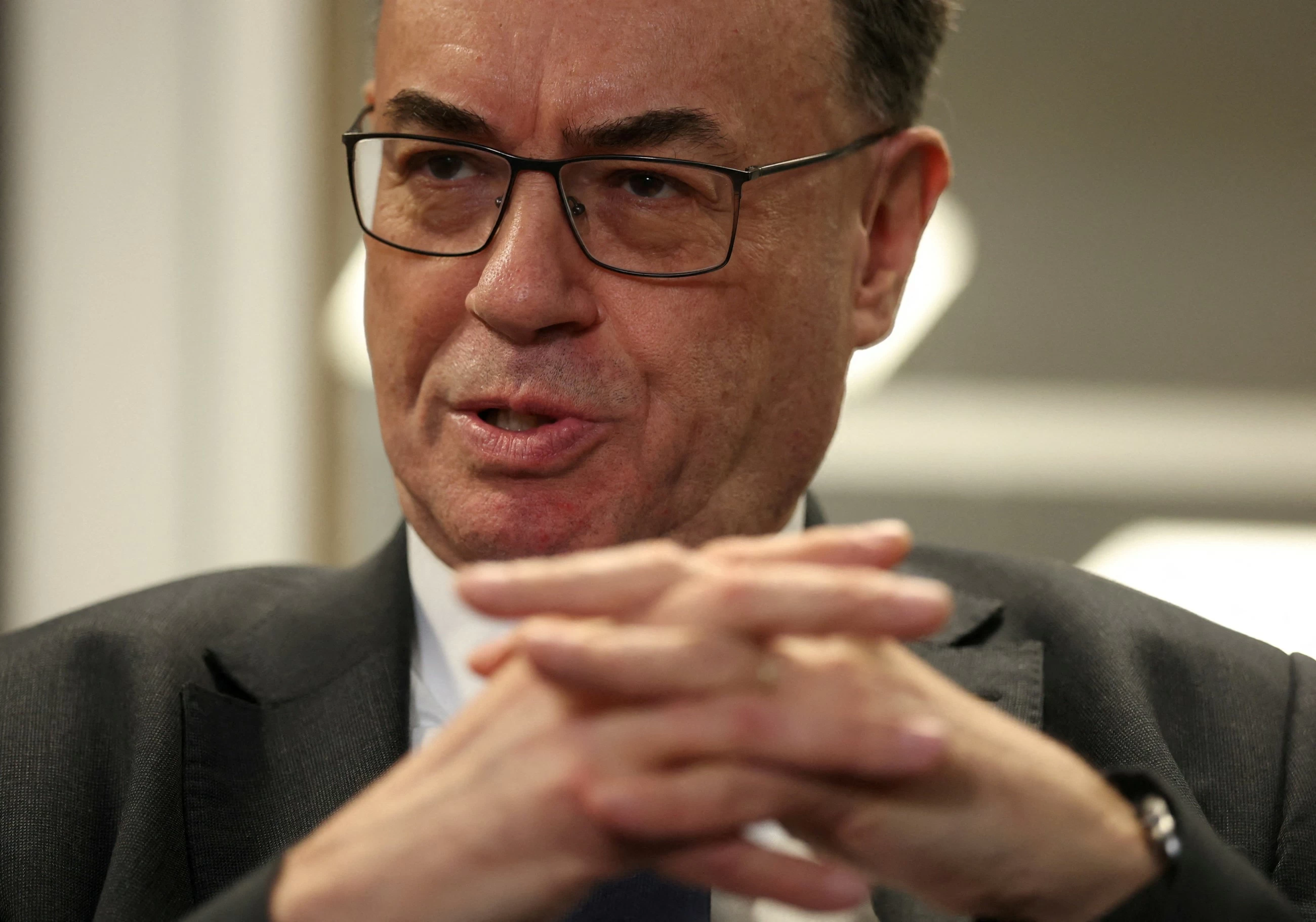
When Brexit abruptly ended British cheesemaker Michael Harte’s ambitious European export plans, four years passed before his young company Bridge Cheese found overseas customers for its cheddar and mozzarella products again – in faraway Hong Kong. Harte had banked on a “soft Brexit” that kept frictionless trade after Britain’s shock June 23, 2016 decision to leave the European Union, he said. Instead, the world’s fifth-biggest economy left the common market completely, putting up barriers to the giant on its doorstep.
From its base in Telford, central England — a town best known as the birthplace of the 18th-century Industrial Revolution that helped spread the idea of open economies around the globe — Bridge Cheese’s pivot to Asia is now bearing fruit. This year, it expects to sell more than double the volume of processed cheese to Hong Kong than the annual 100,000 tons it used to send to Europe. Harte hopes to start exports to Malaysia this year and is seeking approvals in Vietnam, Thailand and mainland China and other markets.
But between shortly after the Brexit barriers went up and late 2025, Bridge Cheese had booked no overseas sales at all, relying instead on slowing domestic growth to keep the business going. Harte has no doubt his company’s growth would have been much stronger if Britain could still trade freely with its neighbours. Before Brexit, “you could make a pallet of cheese here on a Monday and have it with the customer in France or Ireland by Wednesday,” Harte said, recalling plans he had to expand rapidly into Spain and Italy.
He abandoned sales to the continent six months after a post-Brexit trade deal was implemented in 2021 because of the new costs of doing business – including mandatory veterinary checks costing £500 per inspection — as well as reams of customs paperwork and border delays which increased lead times. “We just weren’t competitive,” said Harte. Now, it costs his firm the same for veterinary certification of a 40-foot container carrying 16,800 kg of cheese to Asia as it would do for just two pallets totalling 1,200 kg sent to the EU, Harte said. And the paperwork is less onerous. Like Bridge Cheese, which has an annual turnover of around £35 million ($47 million), thousands of British companies have been forced to find ways to compensate for the loss of free access to their main foreign market, with food producers among the hardest hit. Although the EU remains the UK’s biggest trading partner, a range of manufacturers have felt the impact, adding to the list of problems facing the economy which has been stuck in a slow-growth rut since the 2007-08 global financial crisis.
“Make an economy less open and it will restrict growth, though over a longer time trade will adjust and rebuild,” Bank of England Governor Andrew Bailey said last October. So far, that rebuild has proven tentative. Volumes of UK food exports to the bloc were down by more than 23% between 2021 and 2025 compared with the five years prior to Brexit, according to the Food and Drink Federation.
By 2024, around 20,000 small firms, among them food producers, had stopped exporting goods to the EU, reducing the total to around 100,000, according to a report by the London School of Economics’ Centre for Economic Performance. Britain’s post-Brexit trade deals with countries such as Australia and India will replace just a fraction of these lost exports. As well as the hit to trade, Brexit has created years of uncertainty for businesses, reducing investment. Britain’s overall economy will be 4% smaller 15 years after Brexit than if the country had stayed in the EU, with around half the damage done already, the government’s budget forecasters have estimated.
Based on Britain’s 3 trillion pounds of gross domestic product in 2025, that would be equivalent to 120 billion pounds lopped off the economy.
The National Bureau of Economic Research, a US think tank, predicts even heavier damage, saying Brexit will reduce the size of the economy by between 6% and 8%, with investment — which is crucial for future economic growth — down by 18% compared with a no-Brexit scenario. Economists who supported Brexit — who were in the minority at the time of the referendum — challenge the estimates. They argue that the remarkable performance of the US economy in the NBER’s analysis — which compares Britain with a basket of other countries including the US — exaggerates the Brexit effect. The real culprits for the economic malaise, they say, are higher taxes, more regulation and sky-high power bills. They point out that Britain’s overall economic performance in recent years has been roughly in line with that of France and better than Germany’s, arguing that London should pursue further bilateral trade deals, especially those which help the country’s big services sector.
The red tape, delays and administrative costs of Brexit have also impacted the cost of the food Britain imports, a contributor to inflation, which has been the highest in the Group of Seven for much of the past four years, fuelled in part by the drop in the value of sterling after the referendum.
Reuters