admin
admin 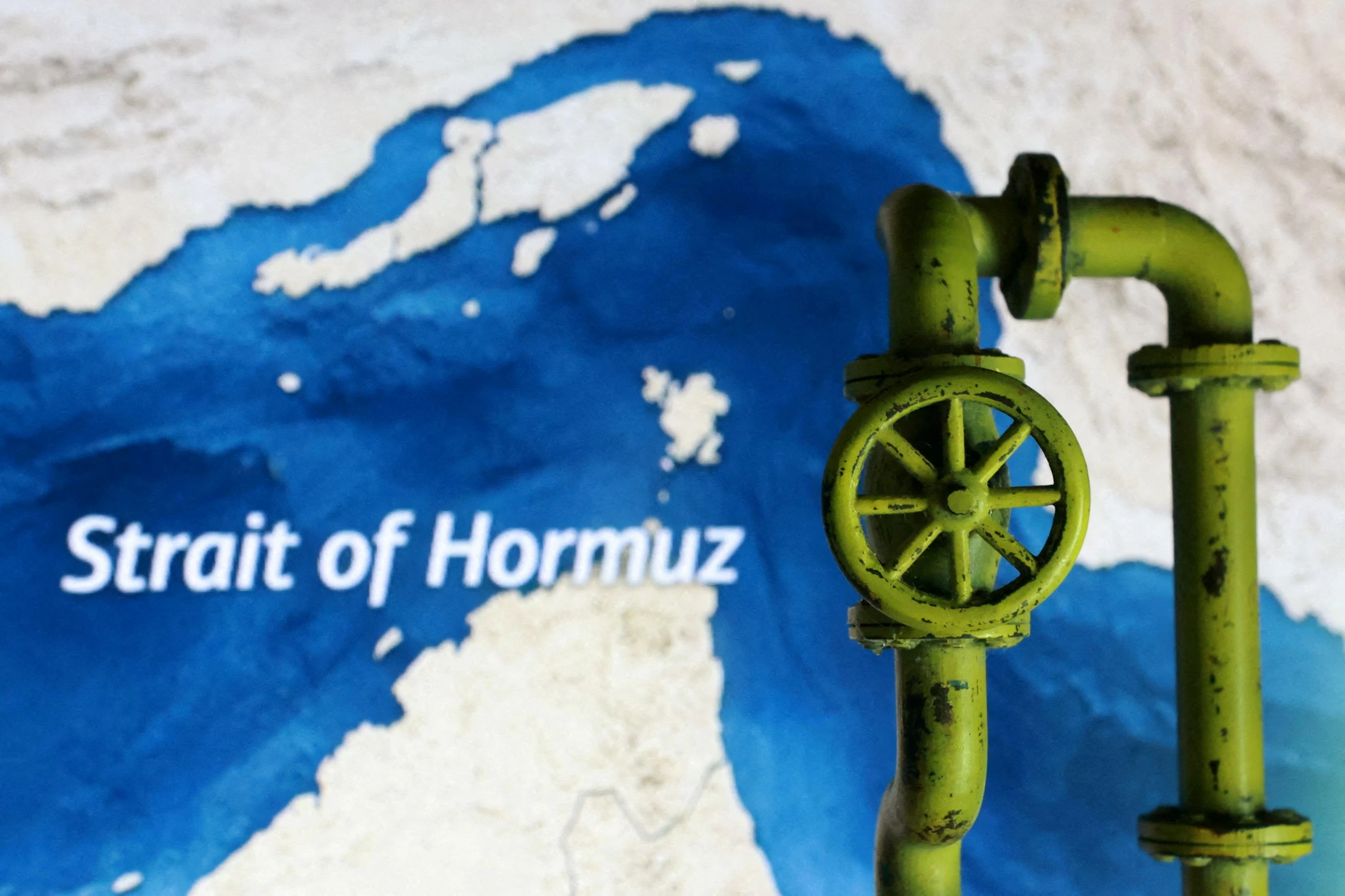
Oil prices rose on Wednesday, edging closer to $100 a barrel while stocks fell as further attacks between the US and Iran dented hopes of an imminent peace deal.
Wall Street indexes opened lower and European stocks were mostly in the red, following a mixed showing in Asia.
The dollar mostly firmed as oil prices flared amid the Mideast escalations despite a purported ceasefire, with a drone strike on a passenger terminal in Kuwait’s international airport killing one person and wounding dozens of others.
The war has hit economic growth prospects worldwide, with a more severe shock likely should no effective ceasefire be agreed before 2027, the OECD warned on Wednesday.
Global economic growth is forecast to slip to 2.8 per cent this year if Gulf energy exports return to pre-conflict levels in the third quarter, the group of 38 industrialised countries said in its quarterly update.
“The longer the disruptions last, the larger the economic and social costs become,” said OECD chief economist Stefano Scarpetta.
Many countries would risk falling into recession, he noted, and a drop in investment spending − “including in energy-intensive AI” − would likely push up unemployment.
Yet AI enthusiasm continued to sustain investor sentiment that has driven Wall Street indexes to record highs, with US chipmaker Marvell Technology soaring 32 per cent Tuesday after Nvidia CEO Jensen Huang hailed it as the next trillion-dollar firm.
“Equity markets are once again taking their cue from the technology sector rather than the geopolitical headlines,” said IG chief market analyst Chris Beauchamp.
“Tensions surrounding Iran have done little to dent investor appetite, with a string of AI-related announcements providing a more compelling narrative for markets this week,” he said.
Adding to the positive mood among equity traders was data showing US job openings jumped in April to the highest level in nearly two years.
The reading comes ahead of US employment data Friday that could determine if the Federal Reserve will keep its benchmark rate stable or potentially hike borrowing costs to fight inflation.
Oil prices rose nonetheless as a Middle East ceasefire proved elusive, fuelling inflation pressures that could take months to ease even if a truce is agreed quickly.
“The longer disruptions persist around the Strait of Hormuz, the greater the risk that global oil inventories become insufficient to offset lost supply,” said Fawad Razaqzad, market analyst at Forex.com.
In Asia, the yen strengthened amid speculation Japanese authorities could step in to support the currency following last month’s intervention.
That came as the Japanese cabinet approved a $19 billion supplementary budget to support households struggling with soaring everyday costs driven by the Iran war.
Tokyo’s index closed up more than two per cent, helped by a surge in the share price of chipmaker Tokyo Electron.
Taipei was up two per cent thanks to Taiwan Semiconductor Manufacturing Company’s strong advance.
The European Union meanwhile said it would loosen its spending rules to help member states manage soaring energy prices sparked by the Middle East war.
Most major Gulf stock markets fell on Wednesday as hostilities flared after US-Iran peace talks stalled. The US military reported that Iranian missile attacks targeting Bahrain, Kuwait, and other sites were either intercepted or failed, while diplomatic efforts between Washington and Tehran remained at an impasse. Iran’s Revolutionary Guards said they had targeted the US Fifth Fleet headquarters. Despite both sides signalling a preliminary deal last week, no agreement has been formally endorsed. Saudi Arabia’s benchmark index fell 0.1%, hit by a 2.9% slide in Banque Saudi Fransi and a 0.4% drop in oil major Saudi Aramco.
A survey showed the kingdom’s non-oil private sector grew at its fastest pace in three months in May, supported by stronger domestic demand and stabilising supply chains, though business optimism remained subdued amid the conflict in the region. Gulf stock markets weakened as investors turned cautious, though hopes for a diplomatic breakthrough could limit further losses, said Joseph Dahrieh, managing director at Tickmill. He added that solid domestic economic conditions may help support confidence. Dubai’s main share index dropped 0.8%, with blue-chip developer Emaar Properties and sharia-compliant lender Dubai Islamic Bank both retreating 2.4%. In Abu Dhabi, the index was down 0.4%.
Agencies