admin
admin 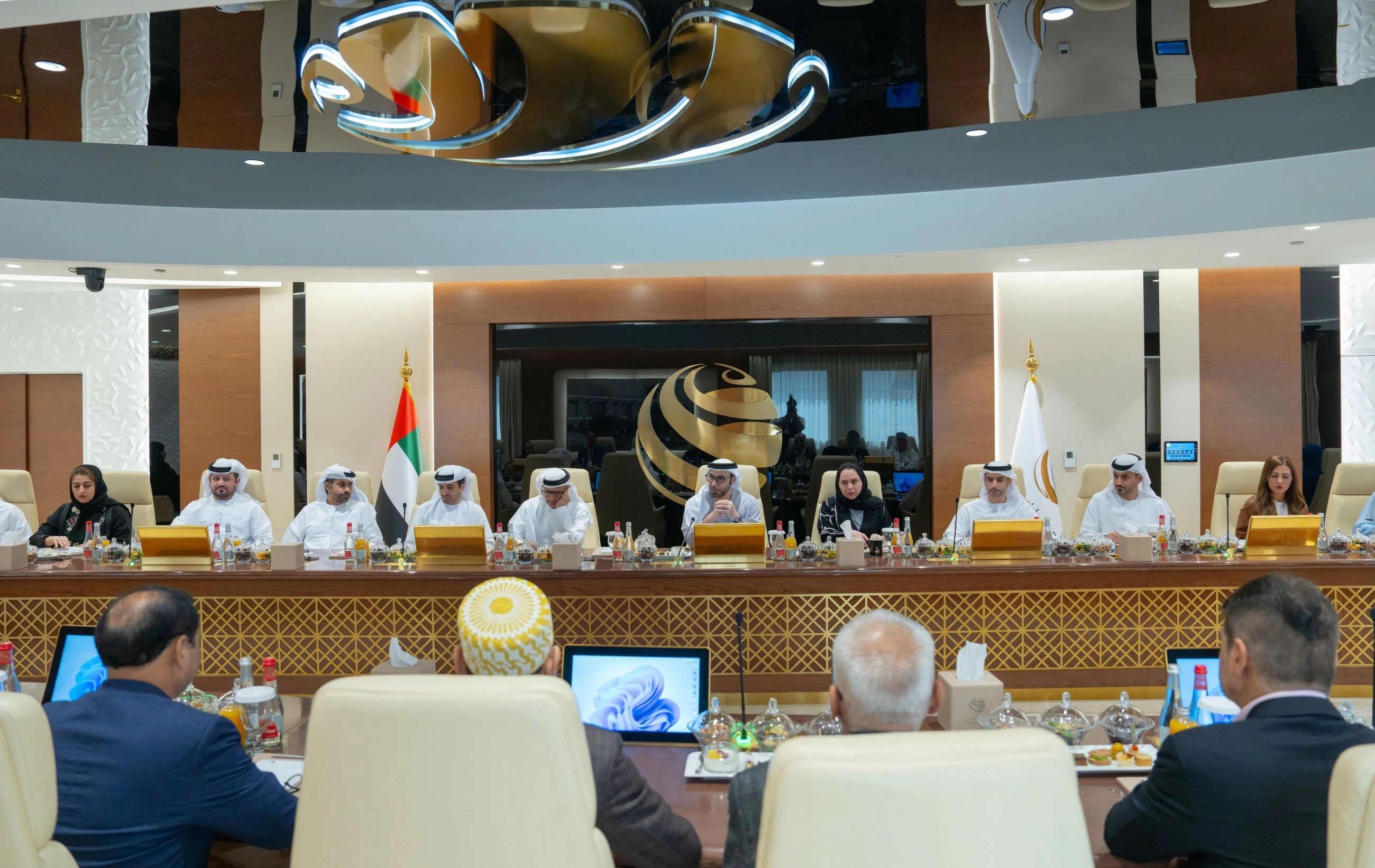
The Ports, Customs and Free Zone Corporation (PCFC) said the measures and initiatives implemented by Dubai Customs as part of its comprehensive proactive strategy have strengthened the smooth flow of trade and reinforced supply chain resilience.
The measures align with Dubai’s economic vision and its commitment to enhancing economic security and ensuring the readiness of vital sectors amid evolving regional and geopolitical developments.
These efforts align with the directives of Sheikh Hamdan Bin Mohammed Bin Rashid Al Maktoum, Crown Prince of Dubai, Deputy Prime Minister, Minister of Defence, and Chairman of The Executive Council of Dubai, to introduce economic facilitation measures to strengthen resilience and business sustainability.
Abdulla Bin Damithan, Chairman of the PCFC, confirmed that Dubai continues to develop a flexible economic model aimed at ensuring rapid response, integration between government entities and the private sector, and proactive readiness to keep pace with regional and international changes.
He said, “In Dubai, rapid response has become an integral part of the government’s operating model. We continuously develop practical solutions and flexible initiatives that ensure the smooth movement of trade and strengthen supply chain resilience, reinforcing the global business community’s confidence in the efficiency and resilience of Dubai’s economic system.” He added that the corporation continues to adopt supportive policies and procedures to enhance the efficiency of the business environment and strengthen the readiness of the trade ecosystem, in line with Dubai’s future aspirations and its position as a leading global trade hub.
Dr. Abdulla Busenad, Director-General of Dubai Customs, said the measures implemented by Dubai Customs over the past period reflect Dubai’s proactive, flexible approach that has enabled it to transform challenges into opportunities that support economic growth and business sustainability.
He said, “Dubai believes in acting early and staying ahead of developments. In global trade, every hour matters when it comes to market stability and business continuity. That is why we moved from the outset, working closely with our partners and the business community to ensure the smooth flow of cargo and the sustainability of supply chains.”
“What we implemented was not simply an alternative route, but an integrated system designed to ensure the continuity of trade and enhance business confidence,” he added. “Dubai Customs worked in close coordination with all relevant entities to develop flexible operational and customs solutions that enhanced the emirate’s readiness and ability to respond quickly to changing developments.”
Busenad explained that Dubai Customs organised 12 interactive workshops and more than 98 coordination meetings and business councils under the theme “Crisis Response and Solutions Innovation”, with broad participation from private sector representatives, shipping and logistics companies, as well as experts and specialists in supply chains and international trade. The initiative aimed to develop practical solutions that strengthen the readiness of the trade and logistics sectors and support business sustainability.
He added that Dubai Customs hosted 141 companies, including major clients, private sector companies, and commercial attachés representing international consulates and trade missions from Turkey, Germany, the United Kingdom, Indonesia, New Zealand, Australia, the Republic of Korea, China, Italy, and Egypt.
These engagements formed part of efforts to strengthen direct communication with the business community and proactively identify operational challenges and development proposals.
He noted that these discussions helped address more than 83 operational challenges and development proposals, focused primarily on operational and logistical matters related to customs clearance procedures and shipping costs. Several observations were translated into practical measures and initiatives implemented within a short timeframe, reflecting Dubai Customs’ rapid response approach and close partnership with the private sector.
He added that several recent initiatives were introduced in direct response to feedback and proposals from operational teams and business councils, contributing to enhanced service efficiency, faster customs processes, and stronger flexibility across Dubai’s trade ecosystem and supply chains.
Busenad affirmed that the “Green Corridor” launched by Dubai Customs during the early days of recent regional developments provided a practical model of rapid government response. The initiative facilitated rerouting shipments through alternative ports and channels while ensuring uninterrupted flows of goods into Dubai.
“The Green Corridor not only supported cargo movement, but also strengthened business confidence and reinforced Dubai’s position as a city capable of maintaining trade continuity in a changing environment,” he added.
The measures also included extending the transit period from 30 to 90 days, facilitating the entry of shipments through the ports of Khor Fakkan and Fujairah and their overland transport under the customs guarantee system, as well as expediting entry procedures for food and pharmaceutical products – all of which enhanced product availability and market stability while maintaining the highest standards of quality and safety.
WAM