admin
admin 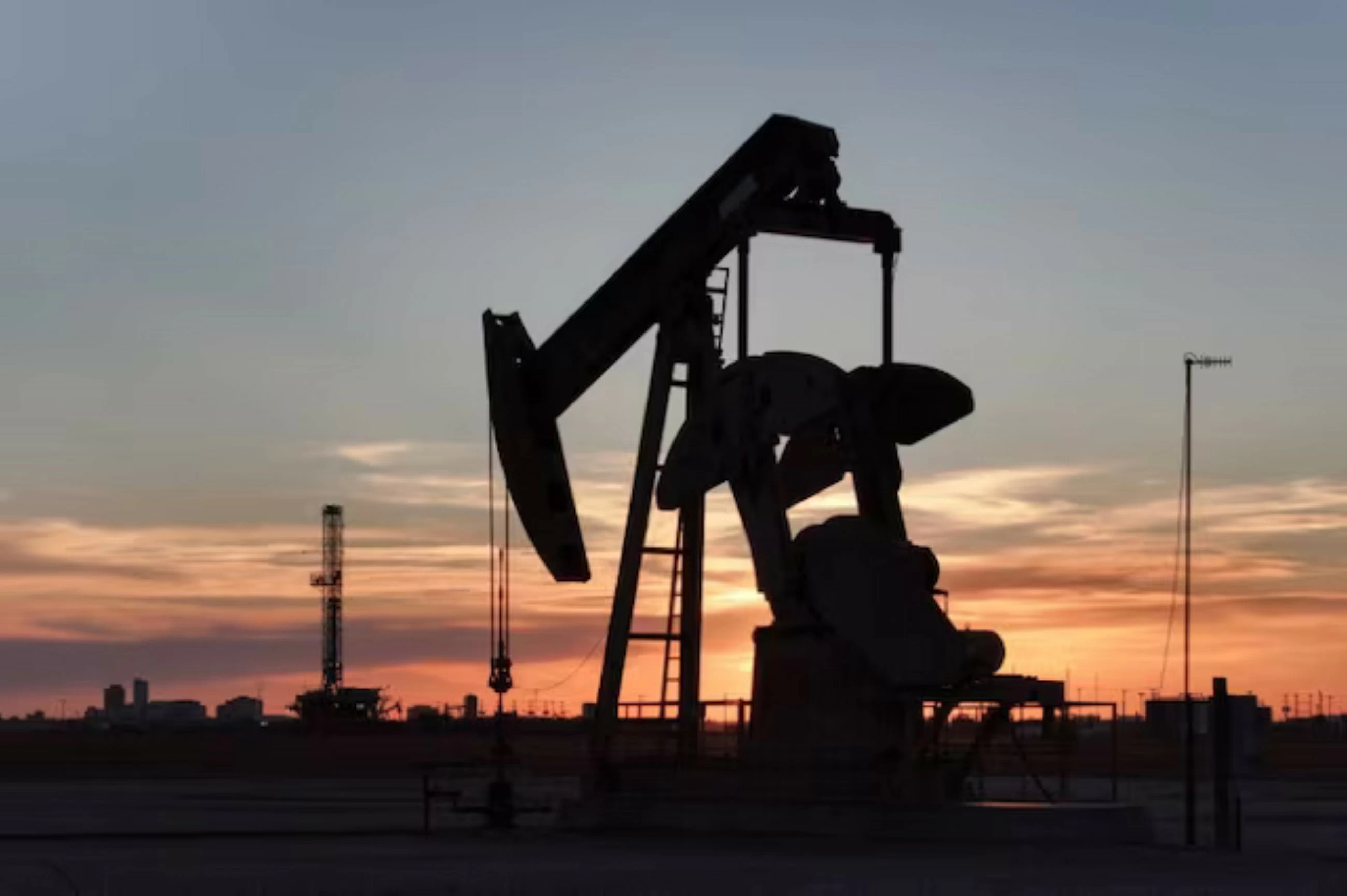
Oil prices lost more than 2% on Wednesday after US President Donald Trump again asserted that the Iran war will end “very quickly”, though investors remain wary about the outcome of peace talks as disruption to Middle Eastern supply continues.
Brent crude futures fell $2.70, or 2.4%, to $108.58 a barrel by 1304 GMT and US West Texas Intermediate futures were down $2.30, or 2.2%, at $101.85. Both contracts were heading for their biggest daily drops in percentage and absolute terms in two weeks.
“Prices are likely to still exhibit some upside potential even if a deal is concluded, given that supply will likely not return to pre-war levels immediately,” said LSEG research analyst Emril Jamil. Both benchmarks fell nearly $1 on Tuesday after US Vice President JD Vance said that the US and Iran had made progress in talks. But Trump also said that the United States may need to strike Iran again and had been an hour away from ordering an attack before its postponement. Analysts at Citi said on Tuesday that it expected Brent crude to rise to $120 a barrel in the near term, stating that oil markets are underpricing the risk of prolonged supply disruption, and Wood Mackenzie estimated that it could approach $200 if the Strait of Hormuz stays largely shut until the end of the year.
Similarly, PVM analysts said global oil stocks could reach critically low levels. “Yet, as observed lately, market players are comparatively nonchalant (or complacent) about what the conflict might bring,” PVM said.
The premium on Brent contracts for delivery next month over contracts for delivery in six months an indicator of traders’ views of current supply tightness – is around $20 a barrel, way below last month’s highs above $35. Russian Deputy Prime Minister Alexander Novak said on Wednesday that some countries were lifting sanctions on Russian oil because global markets cannot function without it, the state TASS news agency reported. Three supertankers were crossing the Strait of Hormuz on Wednesday, carrying oil bound for Asian markets, after waiting in the Gulf for more than two months with 6 million barrels of Middle East crude on board. The number of vessels crossing the strait remains well below the 130 or so ships that crossed daily before the war. UAE Adnoc Chief Executive Sultan Al Jaber said on Wednesday it will take at least four months to get back to 80% of pre-conflict flows.
To make up the supply shortfall, countries are relying on commercial and strategic inventories.
US crude stockpiles reported by the Energy Information Administration are expected to have fallen by about 3.4 million barrels, a Reuters poll showed. The weekly EIA data is due at 1430 GMT. In other signs of the increasing supply crunch, Britain has watered down sanctions to allow imports of diesel and jet fuel refined abroad from Russian crude.
Saudi Arabia’s crude oil exports and production dropped to record lows in March, data showed. The US stock market is recovering Wednesday after pressure eased on Wall Street from the bond market and oil prices gave up some of their big gains.
The S&P 500 rose 0.7% toward its first gain in four days and pulled closer to its all-time high set last week. The Dow Jones Industrial Average was up 280 points, or 0.6%, as of 10:30 a.m. Eastern time, and the Nasdaq composite was 1% higher.
The company behind TJ Maxx, Marshalls and other stores helped lead the way and climbed 5.7% after delivering stronger profit and revenue for the latest quarter than analysts expected. CEO Ernie Herrman also said the current quarter is off to a good start, and TJX raised its forecasts for revenue and profit this year.
Red Robin Gourmet Burgers jumped 15.6%, and Cava Group rallied 5.8% following their own better-than-expected profit reports. Such results raise hopes that households can keep spending and driving the economy, even though they’re contending with high gasoline prices and widespread discouragement about economic conditions.
Most big US companies have likewise reported better profits for the start of 2026 than analysts expected, which has helped stocks run to records. Stock prices tend to follow the path of corporate profits over the long term.
The other main lever that helps set stock prices, interest rates, also gave some relief on Wednesday after Treasury yields eased.
The yield on the 10-year Treasury fell to 4.63% from 4.67% late Tuesday and slowed what had been a rapid ascent from less than 4% before the war with Iran. Yields have been climbing in bond markets worldwide on worries about the high oil prices caused by the war, among other factors.
Agencies