admin
admin The FIFA Arab Cup Qatar 2025 that took place from 1-18 December 2025 generated a total of QAR 2.89 billion of economic value for the local economy, the Local Organising Committee for Football Events (LOC) has announced. An economic impact assessment conducted in partnership with Nielsen Sport – a leader in sports analytics, underscored the tournament’s role as a primary catalyst for tourism in Qatar in 2025, contributing towards a surge in revenue across travel, hospitality, and retail sectors.
The tournament’s strong global appeal attracted 305,015 fans from outside Qatar, resulting in QAR 288.9 million spend on flights, QAR 315.5 million spend on accommodation and 1.5 million room night bookings during the period of the tournament. From these international attendees, 97% believed that that the tournament had a positive impact on Qatar.
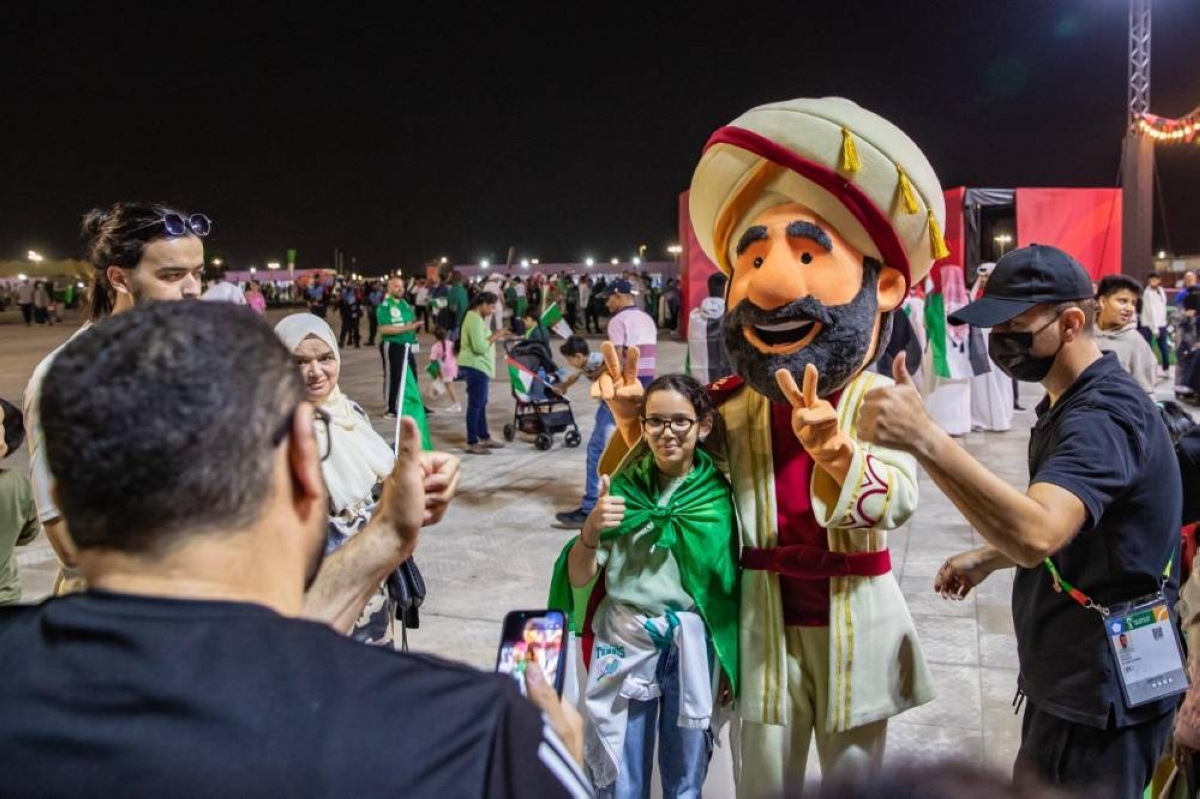
FIFA Arab Cup Qatar 2025 LOC CEO, Jassim Al Jassim, said: “Mega-sporting events such as the Arab Cup, continue to serve as key drivers for economic growth and diversification in the country, in line with the Qatar National Vision 2030. The second edition of the competition united millions of fans from the region and beyond for a spectacular celebration of Arab culture and camaraderie, alongside top-level football, successfully cementing Qatar’s position as a premier sports and tourist destination.”
“We are committed towards carrying forward the Qatar 2022 legacy by hosting world-class events that will not just celebrate the rich culture and hospitality of the nation, but that continue delivering long-term social and economic impact to support the nation’s goals and vision of sustainable growth,” he added.
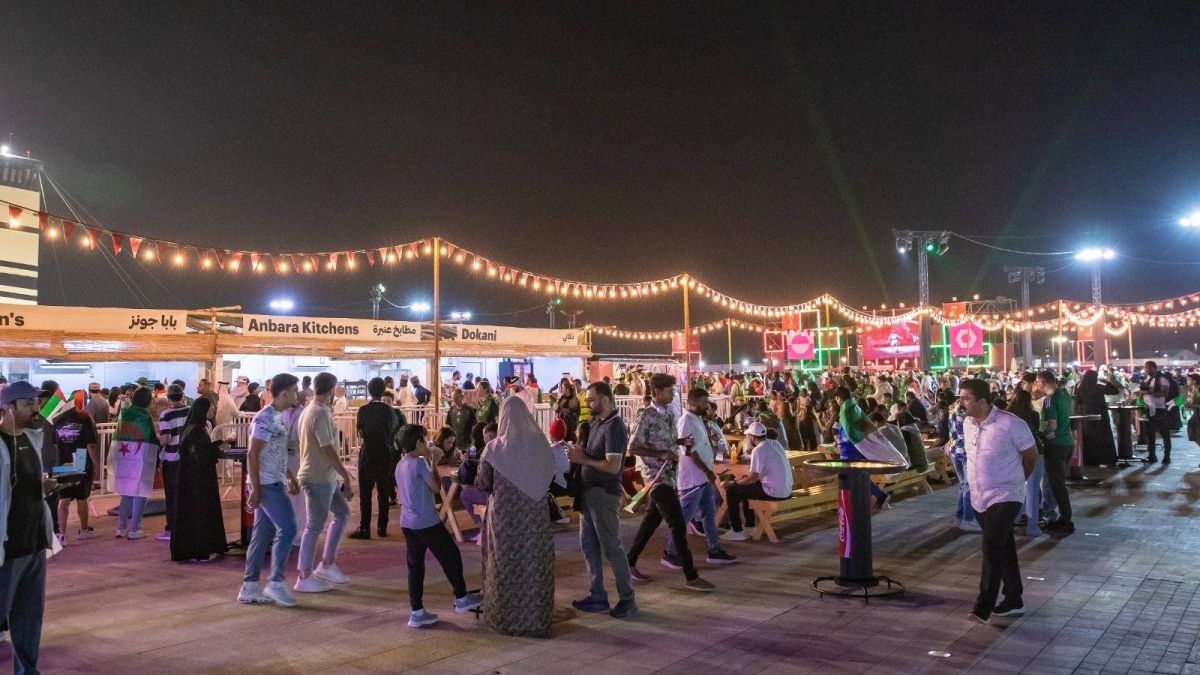
Throughout the FIFA Arab Cup, a total of QAR 246.1 million was generated through food and beverages sales, as fans explored Qatar’s diverse culinary offerings. This was complemented by a QAR 200.7 million spend on retail across prime tourist destinations in the country.
The tournament also generated local transportation expenditure of QAR 84.2 million, with fans utilising Qatar’s modern public transport system to explore the compact nature of the country and visit various tourist and cultural sites.
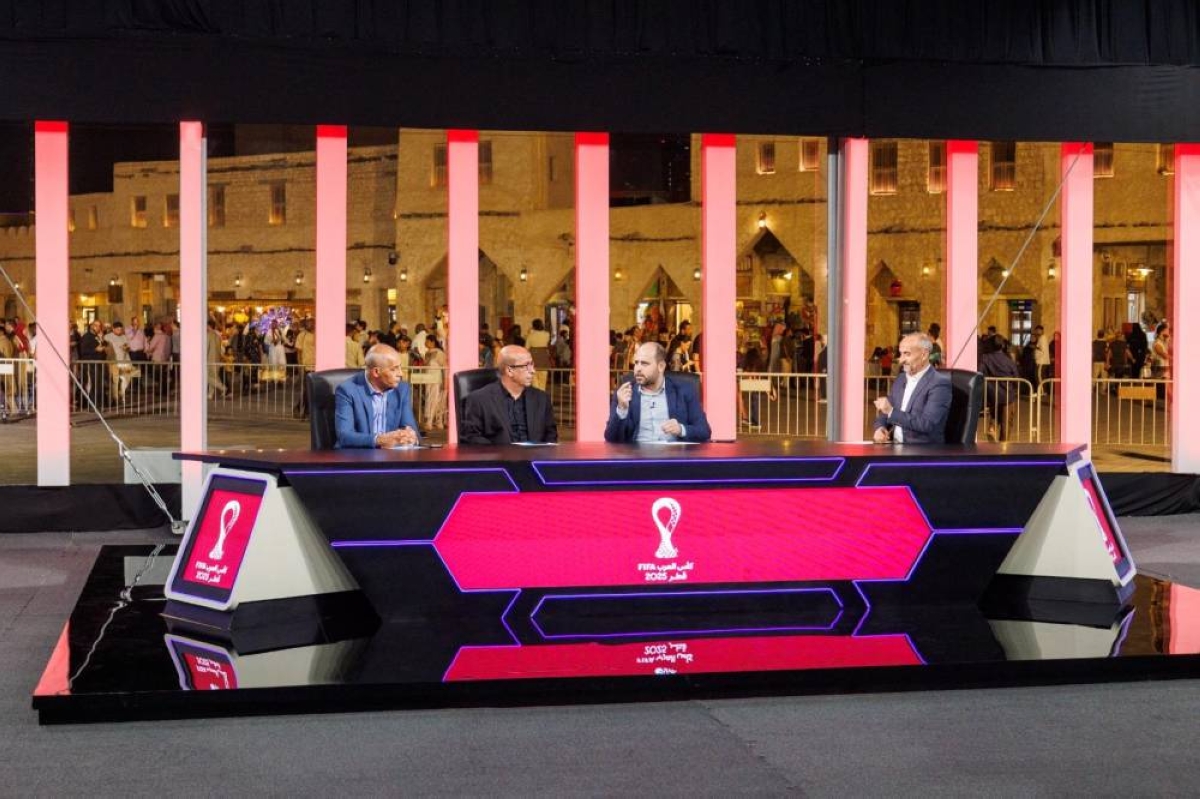
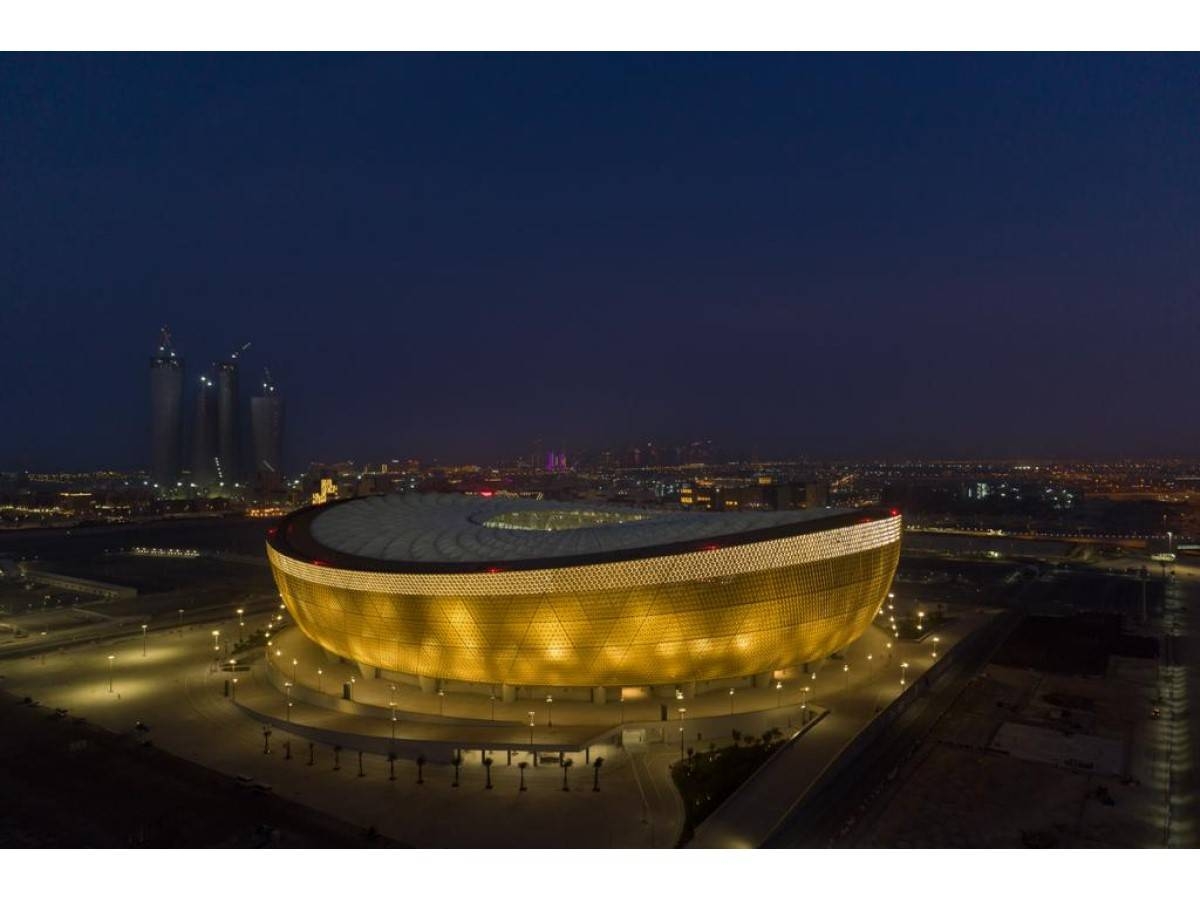
While the tournament leveraged the post-2022 infrastructure, utilising six world-class stadiums that previously hosted matches during the historic FIFA World Cup Qatar 2022, the LOC recorded a QAR 793.6 million spend on operations, promotion and logistics across the host country.
Throughout the competition, the LOC offered a comprehensive suite of media services at the Main Media Centre and a dedicated Broadcasting Hub in Souq Waqif, a gathering hotspot for fans during the tournament. This resulted in robust tournament and host country coverage, generating QAR 241 million in media value. In addition, social media engagement across major platforms drove QAR 24.6 million in economic impact.
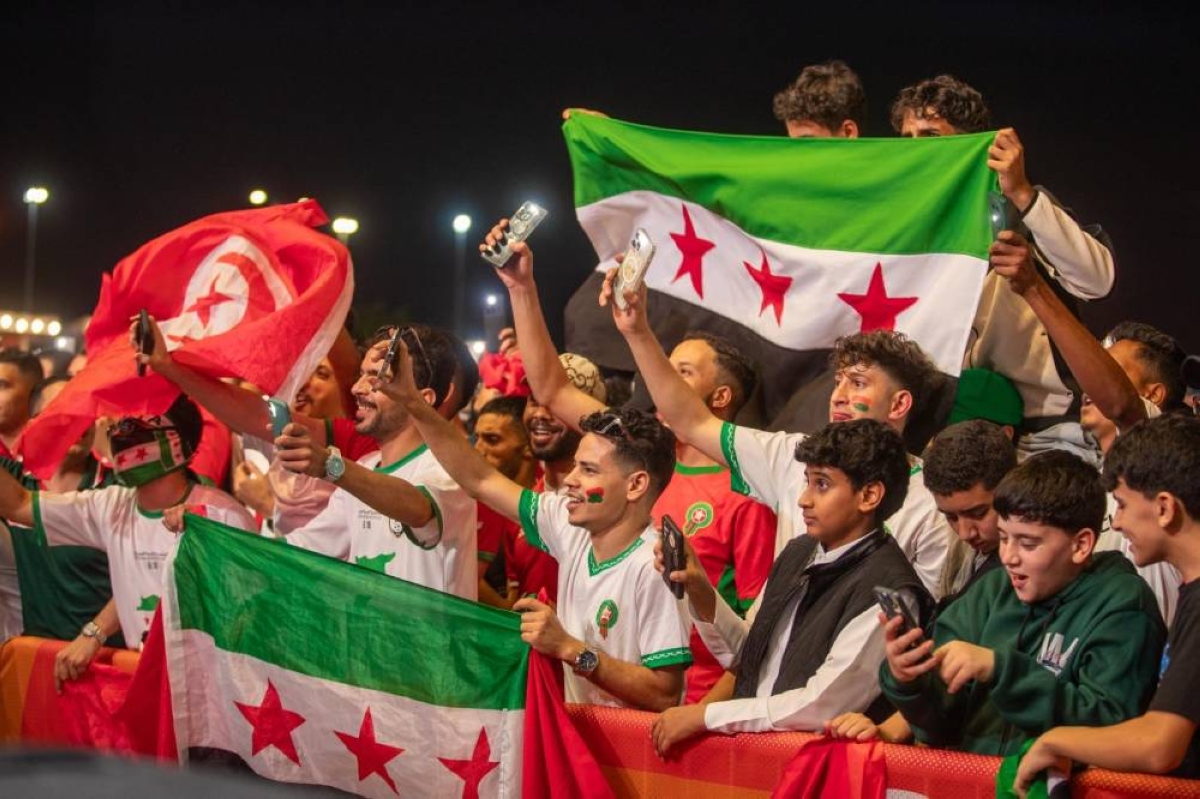
The FIFA Arab Cup was part of a record-breaking football season in Qatar, that also saw the country host the first 48-team FIFA U-17 World Cup Qatar 2025 and the FIFA Intercontinental Cup Qatar 2025.
Qatar is now set to host the second of five consecutive editions of the FIFA U-17 World Cup from 19 November to 13 December 2026.
For more information about upcoming mega-sporting events hosted by Qatar, visit www.roadtoqatar.qa and follow @roadtoqatar on all major social media platforms.
Related Story