admin
admin 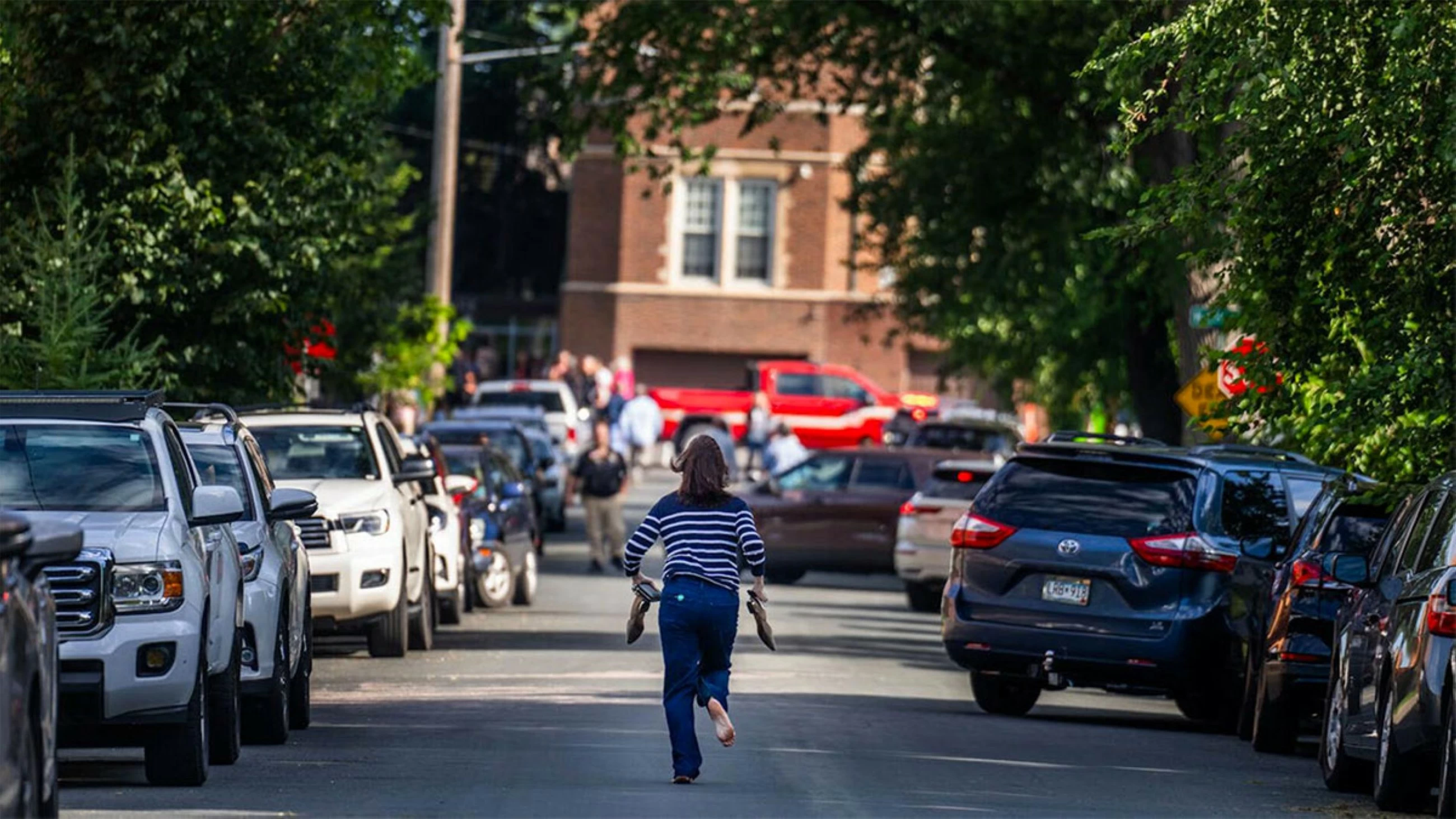
An indelible image from the Minnesota Star Tribune’s coverage of last August’s Annunciation Catholic School shooting — which on Monday, May 4, was deservedly awarded a Pulitzer Prize for breaking news — is of a mother running barefoot toward the Minneapolis church, clutching her shoes so she can get there faster, according to the Tribune News Service.
The picture, taken by Star Tribune photographer Richard Tsong-Taatarii, is specific to this tragedy but universal to the scourge of school shootings. And while nothing could compare to the pain and panic of what the worried, hurried mother and so many other parents have felt, the photo is also a visual metaphor of what journalists themselves often do: run toward scenes of chaos or danger to provide vital coverage for the public.
Just like journalists from this paper did during Operation Metro Surge, providing riveting reporting and searing images that are not likely to be forgotten when awards for 2026 coverage are considered. The kind of coverage acknowledged on Monday when the Chicago Tribune won a local-reporting Pulitzer “for its powerful coverage of the Trump administration’s militarised immigration sweep of the city that described in vivid, muscular prose how the siege-like incursion of ICE agents unified Chicagoans in resistance.” (Sound familiar?)
It’s the ethos that led the Pulitzer board to also award journalists from the Star Tribune the 2021 Pulitzer for breaking news coverage of the murder of George Floyd and the resulting unrest that rocked the city — the same spirit that’s reflected in the worthy work from the breaking-news finalists from this year, including the Wall Street Journal and Seattle Times for coverage of Texas and Washington floods and the Southern California News Group for its reporting on wildfires.
In each case, teams of journalists, including some affected by the event themselves, ran to give readers coverage and context of the disasters, be they natural or man-made.
This superb journalism is juxtaposed against an ever-changing, ever-challenging business model and a global constriction of media freedom, as quantified in Reporters Without Borders’ recently released World Press Freedom Index. The media freedom organization states that “52.2% of countries now fall in the ‘difficult’ or ‘very serious’ categories for press freedom, compared to just 13.7% in 2002, while less than 1% of the world’s population now lives in a country where press freedom is considered ‘good.’”
The US, which used to be a beacon of media freedom, has seen its light dimmed, dismally falling to 64th out of 180 countries — below Botswana but above Panama — a decline, the organisation states, that “underscores a deepening crisis across multiple indicators, including legal protections, journalist safety, economic viability, and political hostility toward the free press under the second Trump administration.”
Many media organisations are feeling this heat, but other industries and individuals have been similarly targeted, which was the topic of Reuters’ Pulitzer-winning work in the national reporting category “for documenting how the president used the US government and the influence of his supporters to expand executive power and exact vengeance on his foes.”
Such unprecedented, unpresidential actions were the subject of stories from the New York Times, which won an investigative-reporting Pulitzer “for deeply reported stories that exposed how President (Donald) Trump has shattered constraints on conflicts of interest and exploited the moneymaking opportunities that come with power, enriching his family and allies.”
That this is part of the growing global rise in repression was often the subject of compelling columns from the Times’ M. Gessen, who won an opinion-writing Pulitzer “for an illuminating collection of reported essays on rising authoritarian regimes that draw on history and personal experience to probe timely themes of oppression, belonging and exile.”