admin
admin 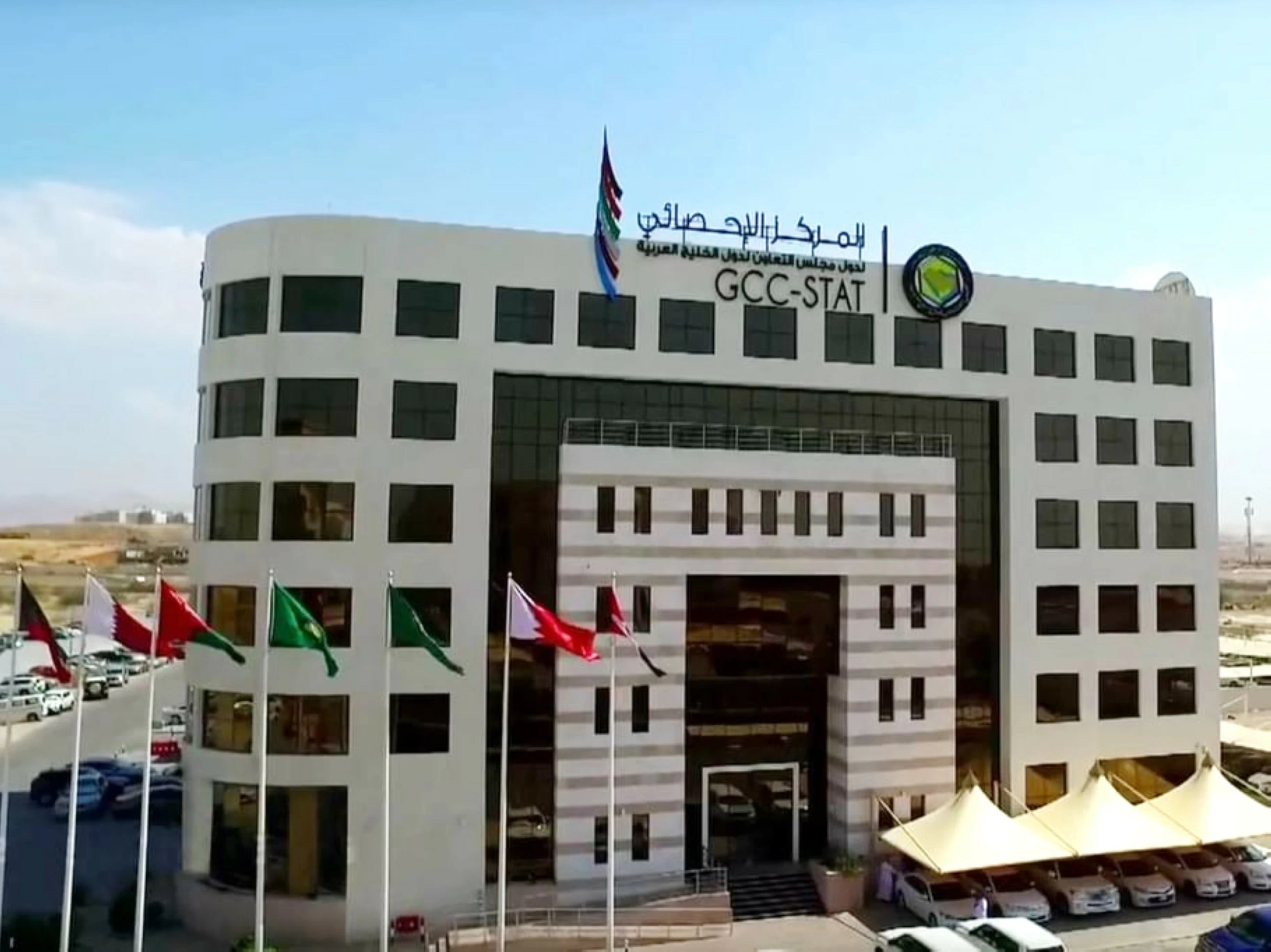
The Gulf Cooperation Council (GCC) economy expanded in the third quarter of 2025, reflecting its sustained ability to balance the role of the oil sector while enhancing the contribution of non-oil activities to gross domestic product (GDP), according to data from the Statistical Centre for the Cooperation Council for the Arab Countries of the Gulf (GCC-Stat).
Nominal GDP across GCC countries reached about US$595 billion in Q3 2025, marking annual growth of 2.2 percent compared with the same period in 2024, the centre said in its weekly bulletin.
This growth was not limited to nominal indicators, but also extended to real GDP, which reached $474 billion in Q3 2025, recording an annual increase of 5.2 percent compared to Q3 2024. This reflects a genuine improvement in GCC economic activity, beyond the effects of price changes alone.
The bulletin also indicated that all GCC economies recorded positive real GDP growth rates during the same period, reinforcing the overall picture of economic stability across the region.
GCC economies continue to steadily consolidate their economic diversification path. While oil and gas extraction activities remained the largest contributor, accounting for 22.0 percent of total nominal GDP in Q3 2025, non-oil sectors made notable and impactful contributions.
Manufacturing accounted for 12.4 percent, followed by wholesale and retail trade at 9.7 percent, construction at 8.4 percent, public administration and defence at 7.5 per cent, financial and insurance activities at 7.0 per cent, and real estate activities at 5.8 percent, while other activities collectively represented 27.3 per cent.
The data highlighted that economic diversification in GCC countries is no longer merely a stated strategic objective, but is increasingly being translated into the actual structure of GDP. The strong contributions from manufacturing, trade, construction, financial services, and real estate indicate tangible progress in building alternative and complementary growth drivers alongside the oil sector.
At the same time, the continued prominence of oil and gas at 22 percent underscores that the ongoing transformation is gradual and balanced, aiming to maximise returns from traditional resources while expanding the non-oil economic base.
Taken together, these figures present a positive outlook for the GCC economy in Q3 2025, characterised by sustained growth, strong real expansion, and increasing participation of non-oil sectors in the economic mix. The latest data further reinforces the view that economic diversification across GCC countries is progressing at a measured yet tangible pace.
WAM