admin
admin 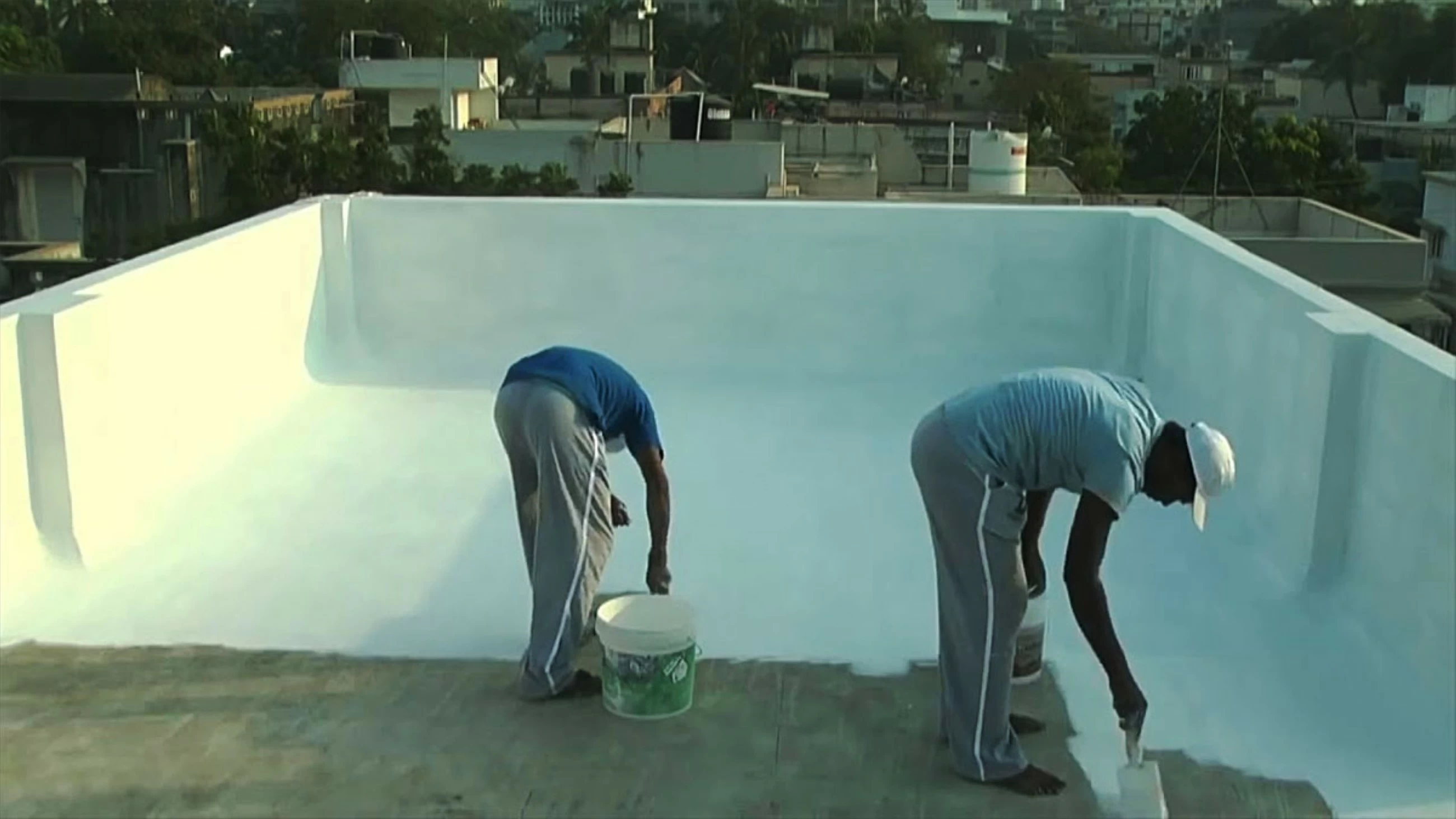
New research from the Indian state of Kerala by researchers from the Centre for Development Economics, Delhi School of Economics, assesses the impact of applying high-reflective white paint on roofs of government-run pre-schools (anganwadis). The findings suggest that small, low-cost physical improvements to public buildings can enhance comfort and children’s cognitive performance, as reported by the ‘Ideas for India’ website, quoting a post on X. Researchers say that while earlier studies have established that heat adversely affects learning among older students, early childhood – when cognitive and behavioural foundations are formed – remains underexplored.
As reported in their study, “When the Roof Reflects: Heat, Learning and Adaptation in Early Childhood Settings,” researchers in partnership with the Energy Management Centre (EMC), Government of Kerala, conducted a randomised controlled trial across 73 anganwadis in five panchayats in Thiruvananthapuram district. Eligible anganwadis were randomly assigned to treatment (subjected to intervention) or control (not subjected to intervention) groups. In treatment centres, roofs were coated with high-albedo white reflective paint. The objective was straightforward: reduce solar heat absorption and limit heat transfer indoors.
The intervention was completed before the peak summer months of 2024. Temperature loggers were installed in all centres to record daily maximum indoor temperatures. Researchers also conducted thermal imaging of roofs and ceilings to measure surface temperatures. To assess human impacts, they surveyed anganwadi staff regarding thermal comfort and administered an age-appropriate puzzle task to children before and after the intervention. Attendance records of children were collected to examine whether cooling influenced participation.
The study found that thermal imaging showed that treated roofs were approximately 11°C cooler at peak compared to untreated roofs, and ceiling temperatures were about 5°C lower. These surface changes translated into an average reduction of around 1.3°C in daily maximum indoor temperature in treated anganwadis relative to control group anganwadis. Staff in treated anganwadis reported significantly lower heat perception and discomfort during classroom hours. Researchers add that they did not directly measure productivity, but prior research suggests that improved thermal comfort can mitigate fatigue and stress, potentially improving classroom interactions.
For children, the researchers say they observed measurable improvements in cognitive performance. Performance on a simple puzzle task improved by approximately 6-7% relative to baseline levels in treated anganwadis. The task was intentionally uncomplicated – most children could complete it even before the intervention – which suggests that the measured gains are likely conservative. Under more cognitively demanding conditions, the effects could be larger.
The study also found that the intervention cost approximately $210 per anganwadi, inclusive of materials and labour. Assuming a conservative lifespan of five years and modest annual maintenance costs, this amounts to roughly $ 0.011 per child per day in a typical anganwadi serving 15 children. For comparison, cooling a similar space using air-conditioning would cost around five times more per child per day in electricity alone, in addition to requiring reliable power supply and increasing energy demand. Passive cooling through reflective paint, by contrast, involves no ongoing energy use and minimal emissions. Placed alongside other expenditures – including supplementary nutrition at the central and state levels) – the cost of thermal adaptation is modest.
The report also highlights that the researchers say young children are especially sensitive to heat. Physiological evidence shows that elevated ambient temperature increases brain temperature and can impair neural functioning and attention. Compared to adults, pre-school-aged children regulate heat less efficiently and tolerate smaller thermal deviations. In such environments, even modest increases in indoor temperature can affect cognitive performance. Despite this, thermal comfort standards are rarely specified in early childhood infrastructure guidelines, and most anganwadis lack mechanical cooling.
According to a government statement. the ICDS Scheme, now renamed as “Anganwadi Services,” was launched in 1975 with the objectives to improve the nutritional and health status of children in the age-group 0-6 years, to lay the foundation for proper psychological, physical and social development of the child, to reduce the incidence of mortality, morbidity, malnutrition and school dropout, to achieve effective co-ordination of policy and implementation amongst the various departments to promote child development; and to enhance the capability of the mother to look after the normal health and nutritional needs of the child through proper nutrition and health education.