admin
admin 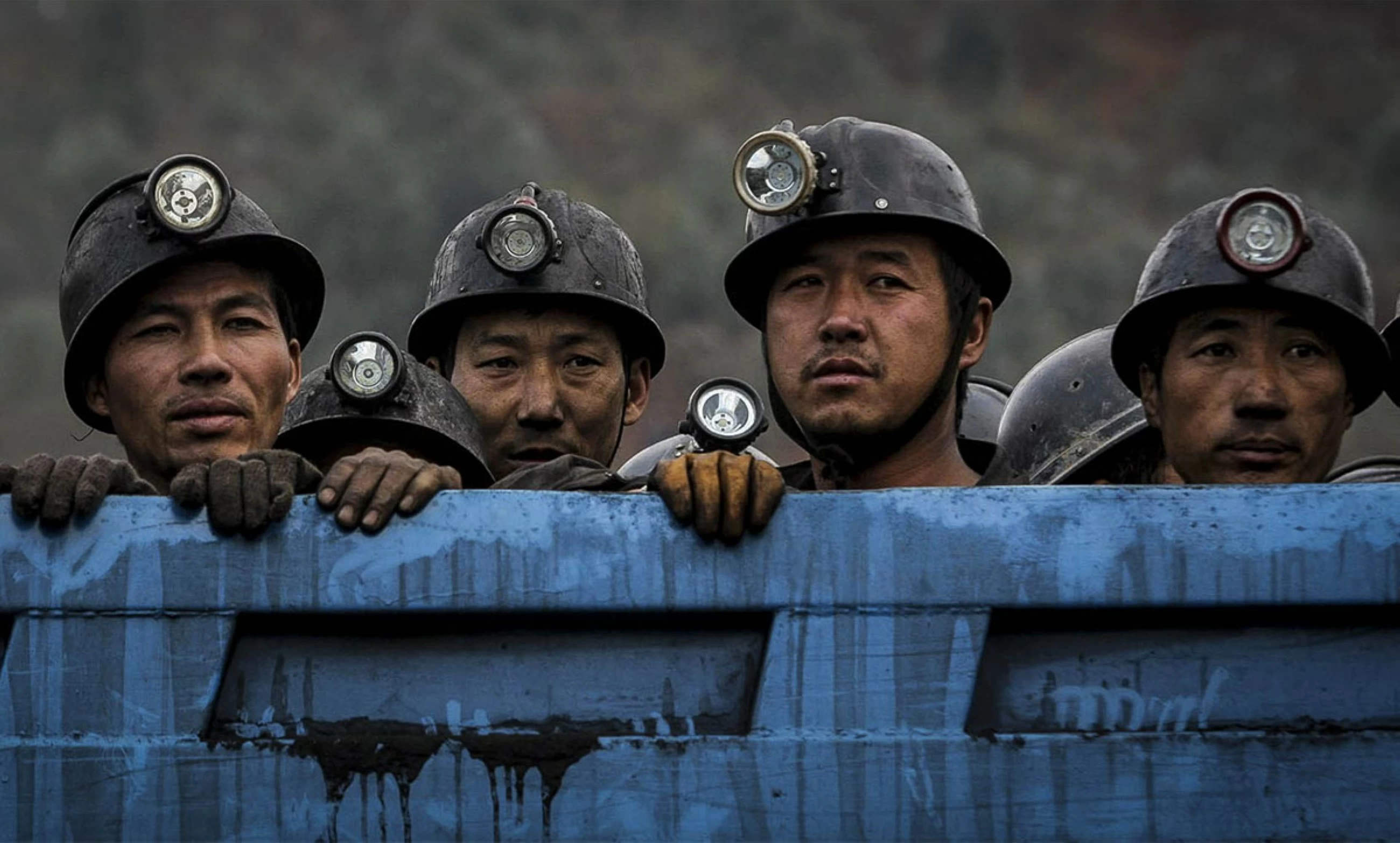
Yang Haiming didn’t stop working when he retired from the coal mines at age 60. Instead, he jumped into a new industry. Yang is part of a generation of workers that powered China’s growth by digging coal from underground mines in Datong, a city known as China’s coal capital in the northern province of Shanxi. Now, as China prioritizes renewable energy over coal, Yang is ahead of the change his fellow workers are being forced to confront. He now runs a restaurant that sells lamb skewers to tourists visiting the Yungang Grottoes, a historically significant 6th century site featuring Buddhist carvings in caves that draws millions of visitors a year. Shanxi province would be the world’s larger producer of coal if it were its own country. Its roughly 800,000 miners dug 1.3 billion tons in 2025, or nearly one-third of China’s coal. A few million more people work in jobs that rely indirectly on coal, ranging from logistics to restaurants. The province will see crucial change as China adds renewable energy so fast it covered almost all of the nation’s growth in power demand last year, and growing tourism is a major goal.
Experts say it’s vital to make sure coal workers don’t get left behind — a worry for many.
“It doesn’t feel like money’s coming into this industry,” said Zhou Hongfei, a coal miner.
As is typical for China’s state-owned enterprises, the coal company built Yang’s village right next to the mine – called No. 9 – that its residents would work. The place once hummed with thousands of workers and their families, with a school, a day care and a sports center. An elevated rail line passes through to carry coal to the rest of the country.
These days, the No. 9 mine is mostly a museum, though a section is still being worked. The school is empty, its gates locked. Many of the low-rise apartment blocks are only partially filled, often not by miners but by people attracted to cheap housing.
Yang recalls prosperous years before surrounding villages were dismantled. “There were so many people, especially during the New Year,” he said. “It was crowded everywhere. Now the bustling scenes have gone, and so has the feeling.”
Those who stayed behind, like Yang, have tried to capitalize on visitors to the Yungang Grottoes. On a day when Associated Press reporters visited, one retired coal miner walked the street striking up conversations in hopes of bringing customers to his noodle shop. Mostly elderly people walked in the street, soaking up the sun.
Yang is in the minority of workers who’ve managed to make a transition.
There are many “who don’t know what to do, who say they don’t have the right skill sets for anyone else. All they know is to be a coal miner, or the easiest fallback option is for them to go back to farming,” said Tom Wang, a Shanxi native, environmental activist and founder of People of Asia for Climate Solutions.
Zhou, 36, said he thought about switching to tourism but didn’t know how. And he worries about supporting his wife and 8-year-old daughter.
“To really be able to make contact with and then switch into a new industry is very hard, and the truth is, I don’t dare,” he said. “If you leave this industry, you don’t know if it’ll work out. Can I adapt? And what if this ends up being a burden for my family?”
Mining wages rise and fall with demand. Before Yang retired eight years ago, he earned up to 10,000 renminbi (about $1,450) in a good month. He said he earns more now from his restaurant.
The province is trying to develop several alternative industries, from investing in coal-to-hydrogen projects to promoting its native “youmai,” a type of oat used by locals to make a special type of noodles. But Shanxi’s major focus and biggest success for life after coal has been tourism. Hang Kan, who directs the Yungang Research Institute that oversees the grottoes and is a representative in the National People’s Congress, last year called for accelerating development of the culture and tourism industry into “a strategic pillar” that “promotes people’s welfare” in Shanxi.
Associated Press