admin
admin 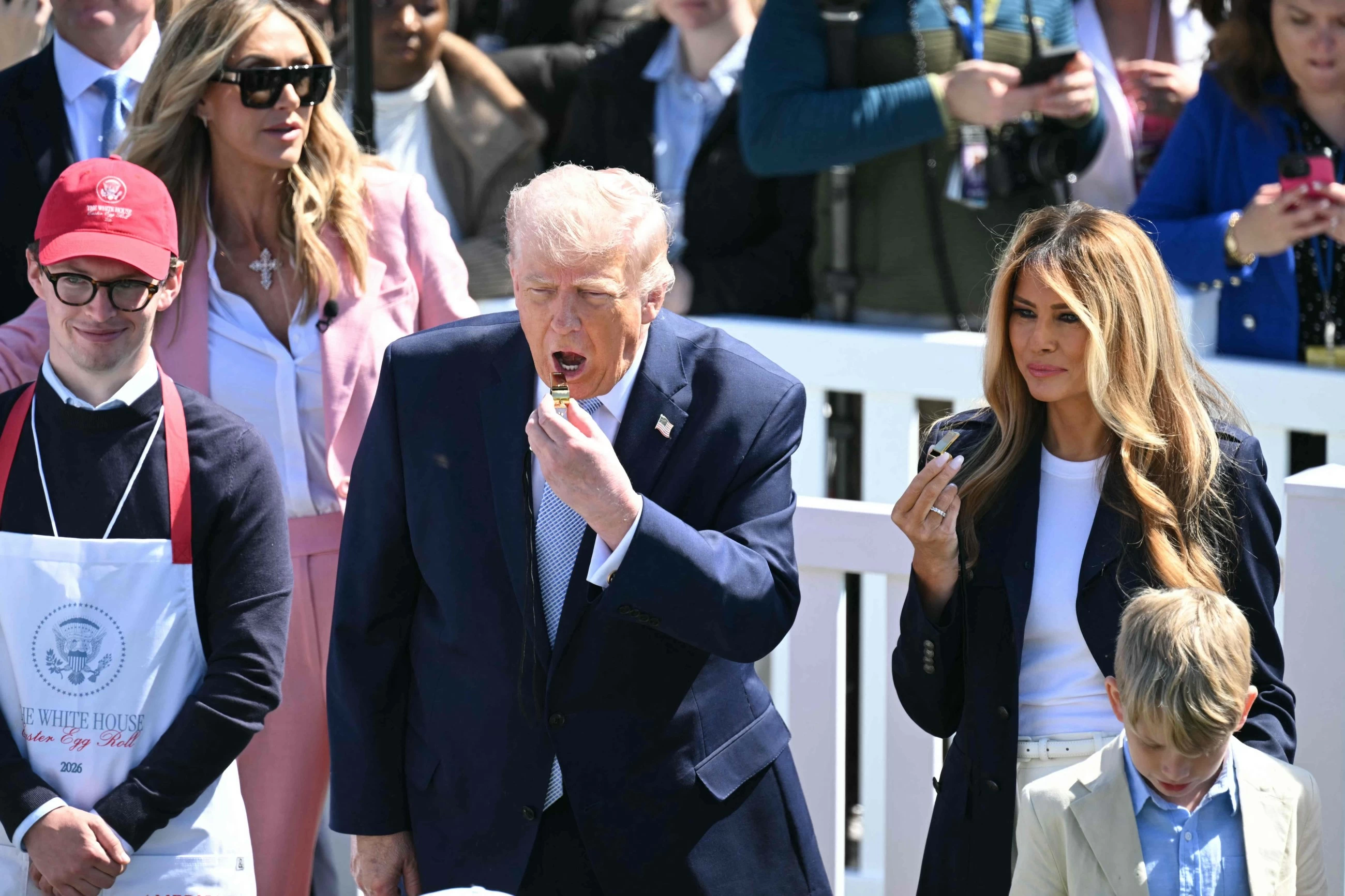
US President Donald Trump said on Monday the Tuesday deadline he has set for Iran to make a deal is final, adding that Iran’s proposal was significant but not good enough.
“They made a proposal, and it’s a significant proposal. It’s a significant step. It’s not good enough,” Trump said of Iran.
“It could end very quickly, the war, if they do what they have to do. They have to do certain things. They know that, they’ve been negotiating I think in good faith,” he said while at an annual White House Easter event.
IRAN REJECTS CEASEFIRE PROPOSAL
The US and Iran on Monday weighed a framework plan to end their five-week-old conflict, as Tehran said it wanted a lasting end to the war and pushed back against pressure to swiftly reopen the Strait of Hormuz under a temporary ceasefire.
Iran conveyed its response to the US proposal for ending the war to Pakistan, rejecting a ceasefire and emphasising the necessity of a permanent end to the war, the official IRNA news agency said on Monday.
The Iranian response consisted of 10 clauses, including an end to conflicts in the region, a protocol for safe passage through the Strait of Hormuz, lifting of sanctions, and reconstruction, the agency added.
“We won’t merely accept a ceasefire,” Mojtaba Ferdousi Pour, head of the Iranian diplomatic mission in Cairo, told The Associated Press. “We only accept an end of the war with guarantees that we won’t be attacked again.”
The rejection came as Israel struck a key petrochemical plant in the massive South Pars natural gas field and killed two paramilitary Revolutionary Guard commanders.
The gas field attack aimed at eliminating a major source of revenue for Iran, Israel said.
The field is critical to electricity production, but the strike appeared to be separate from Trump’s threats to target power plants and bridges if Tehran doesn’t reopen the Strait of Hormuz to all shipping traffic by Monday night Washington time.
Trump has threatened to rain “hell” on Tehran if it did not make a deal by 8pm EDT (0000 GMT) Tuesday that would allow traffic to start moving again through the vital route for global energy supplies.
Reuters / AP