admin
admin 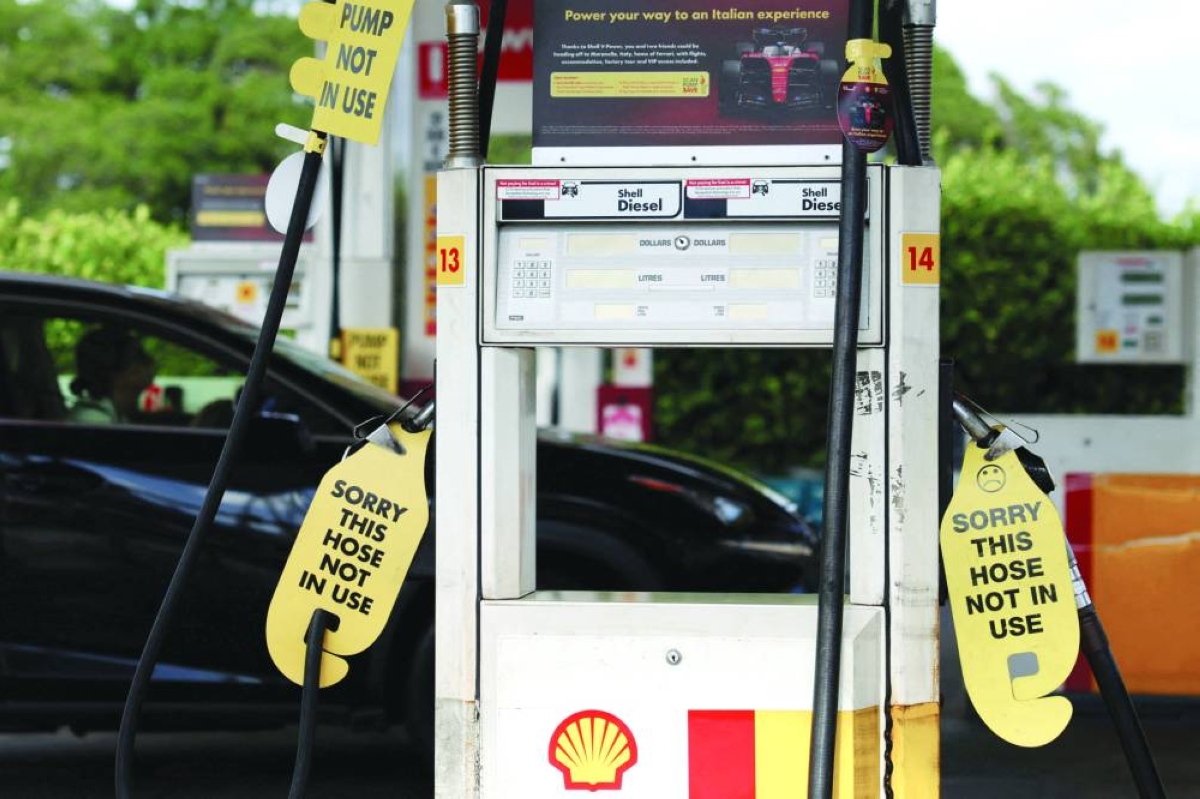
A woman looks at signs displayed on empty fuel dispensers at a Shell petrol station that ran out of fuel, in Sydney, Australia. (Reuters/File Photo)
Every Easter, Sydney retiree Elsa Ulcak is one of the millions of Australians that hit the road to travel during the four-day-long weekend.
But this year, she has cancelled her trip with her husband because she could not justify how much petrol her getaway would use.
“We usually go to the countryside, but because of the petrol situation, we decided to stay at home this year,” said Ulcak, 67.
A long trip would be costly and also consume fuel that could be used by people who needed it more, she said.
“(It’s) six or seven hours drive to the countryside … it’s expensive. Also we’ve got to think about it — working people need their petrol, (but) we’re retired, we can stay at home.”
“We usually go with a group of friends, everyone cancelled.”
The Easter long weekend is typically one of the busiest travel times of the year in Australia. In 2025, more than 4.5mn people had been expected to travel over the period, spending A$11.1bn ($7.67bn) on their trips, according to research firm Roy Morgan.
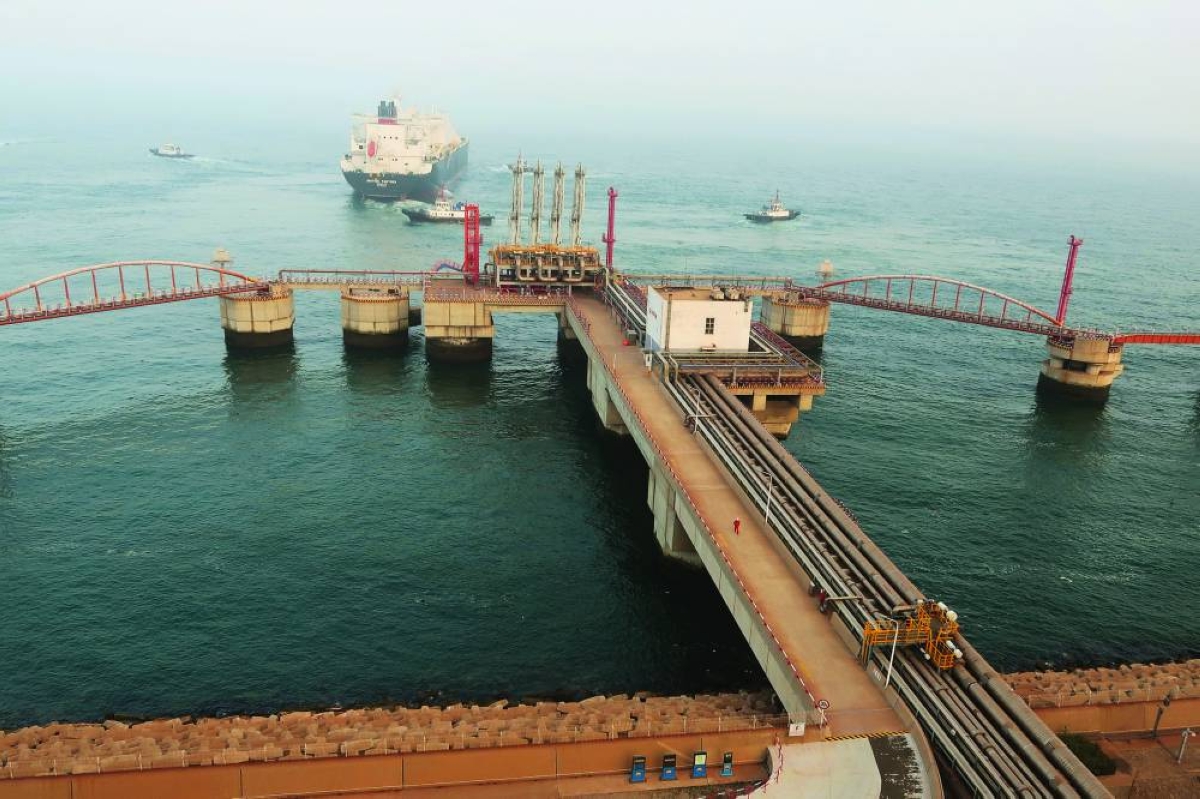
But many plans this year have been disrupted by the outbreak of the Iran war on February 28 and the blockade of the Strait of Hormuz, which has choked global energy supplies.
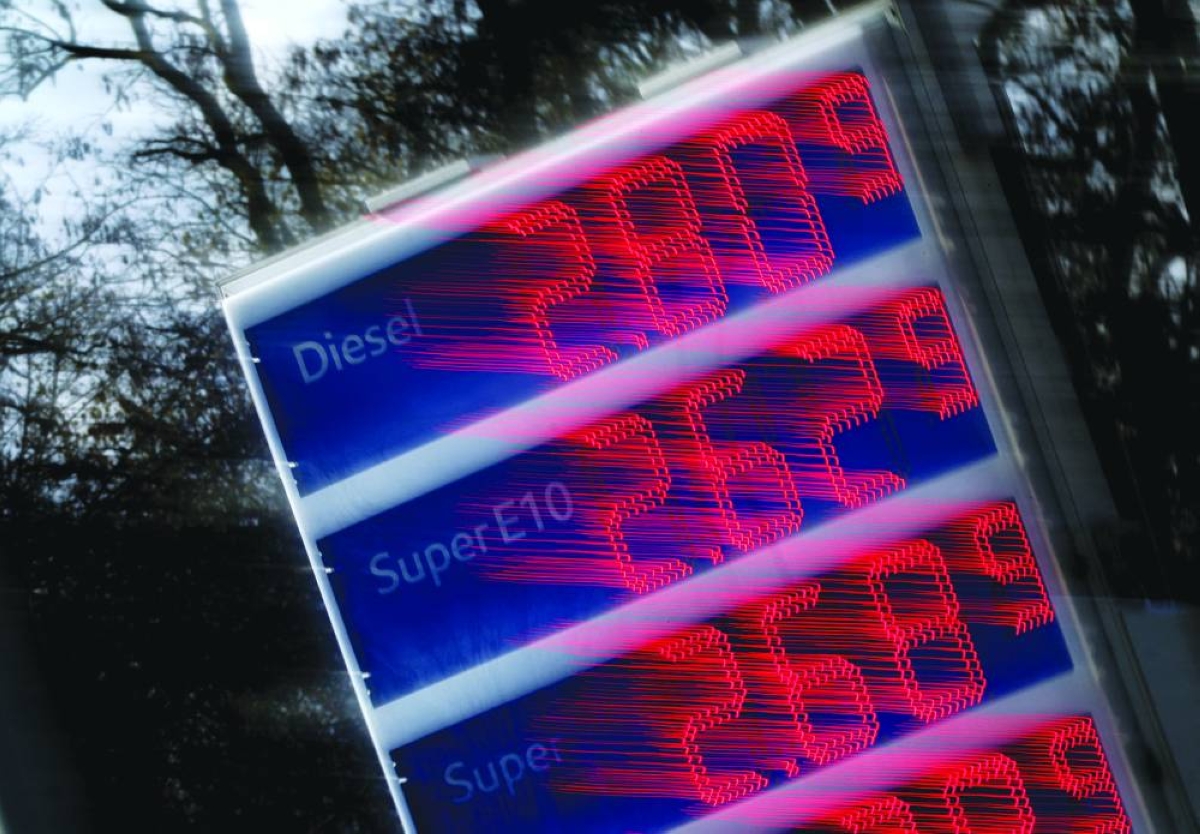
Australia, which imports about 90% of its fuel, has experienced localised shortages and seen prices soar, with diesel costing more than A$3 per litre and petrol more than A$2.50 last week before the government cut fuel taxes to help bring prices down.
Rachel Abbott, a 27-year-old art director, has also shelved her travel plans this Easter.
While she would typically go home to north-east Victoria, both the cost of driving and flights made her decide to stay in Sydney.
“Work’s just been quite busy and flights are very expensive, and then if I were to drive, obviously it would be a lot more expensive,” she said.
Aid worker Stav Zotalis, 59, said her holiday plans were unaffected since she prefers to stay at home for Easter, but this year “does feel very different” due to the conflict in the Middle East.
“I don’t know that we can celebrate. It feels like the world is shaky, it’s unpredictable. And I feel that we don’t know where things are going.”
While she has felt the strain of higher costs at the petrol station and supermarket, she said she was more concerned about those in the conflict zones.
“I’ve been an overseas aid worker for 25 years and I lived in Asia for 14 years, and I know people that live closer to the conflict are having to forgo food. Not just trips interstate or to the coast, like some of us here in Australia,” she said.
Related Story