Sports
Each to their own, says Guardiola, as set piece debate deepens

Each to their own, says Guardiola, as set piece debate deepens

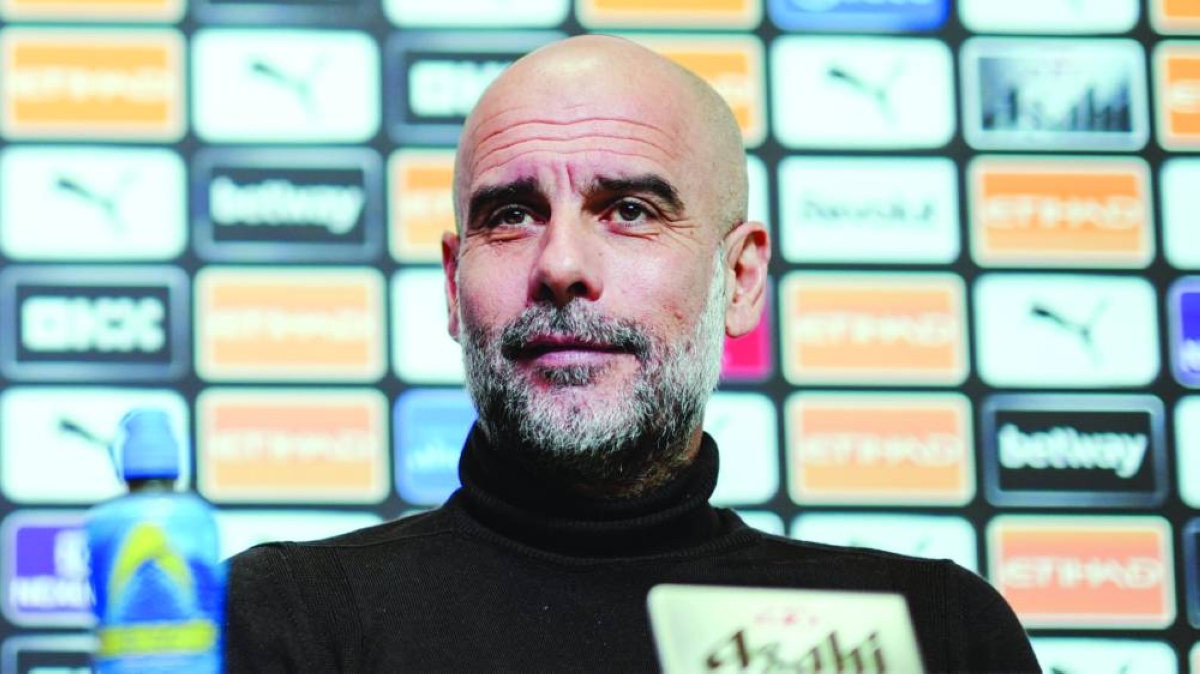
Manchester City manager Pep Guardiola and Arsenal counterpart Mikel Arteta share a common goal in ‌their battle for Premier League supremacy but are going about achieving it in very ​different ways. While leaders Arsenal have become ‌kings of the set piece this season, scoring 33% of their 58 goals ‌from such situations, including 16 from corner routines, ‌City have largely shunned the Premier League’s ‌new obsession. This season, 27% of all Premier League goals have come from set pieces, more than any other league in Europe and the highest percentage in England’s top flight since 2009-10.Corners have led to 138 goals, already more than in the whole of the previous campaign. Guardiola brought his famed tika-taka style to the Premier League when he arrived at City in 2016 and has remained faithful to an intricate possession-based style during a glittering reign that has delivered six English titles and provided a blueprint that many others tried to follow. The signing of goal-machine Erling Haaland ​led to a slightly more direct style in recent seasons, but City’s essence remains intact, evidenced by the fact they are second-bottom of the table based on goals scored from set plays at 10.5%. “Set-pieces have started to ‌be important. It was different when I started as a ​manager,” Guardiola told reporters ahead of his side’s crucial home clash with ​Nottingham Forest which they need to win to keep the pressure on Arsenal. “When I was a young boy we said the people in England celebrate corners and free-kicks like a goal. I remember perfectly, so nothing has changed in that way.” Arsenal are not lacking for flair players and usually dominate possession but were labelled “ugly” by pundit Chris Sutton after a 2-1 win over Chelsea on Sunday in which both goals arrived via headers from corners. The sight of players grappling, holding and blocking like wrestlers before corners was a feature of the derby but it is what enticed millions across the world to tune in. Liverpool manager Arne ‌Slot said games are no longer “a ‌joy” while Chelsea’s Liam Rosenior has demanded a review to control the rugby-like scrums at corners. City will aim to keep the pressure firmly on Arsenal by beating struggling Forest, but do not expect to see Guardiola demanding long throws or for his side to play for corners. Not that he was being drawn too deeply into the debate about Arsenal’s methods as he addressed the media. “It is the business I am in. I am a manager. I can’t say ‘I don’t like set-pieces’. I adapt and do it,” Guardiola said. “Football has been played in so many ways since it was created. ​How it is played in England is different in the way it is played in Spain or Italy. Every manager plays in different ways. How boring would it be if all the managers played in the same way. I have to adapt. If I don’t like, I don’t watch but I have to adapt.” Arsenal, who are five points clear having played one game more than City, travel to Brighton & Hove Albion, whose manager Fabian Hurzeler knows what is coming. “It is definitely a big strength from Arsenal, they do it in an impressive way this season,” he said. “They have a lot of ‌good takers, they have ​a lot of physicality, so it is definitely something we have to take care of, but we will stick to our principles.” 
Sports
Will Iran take part in the 2026 FIFA World Cup in US?

Will Iran take part in the 2026 FIFA World Cup in US?

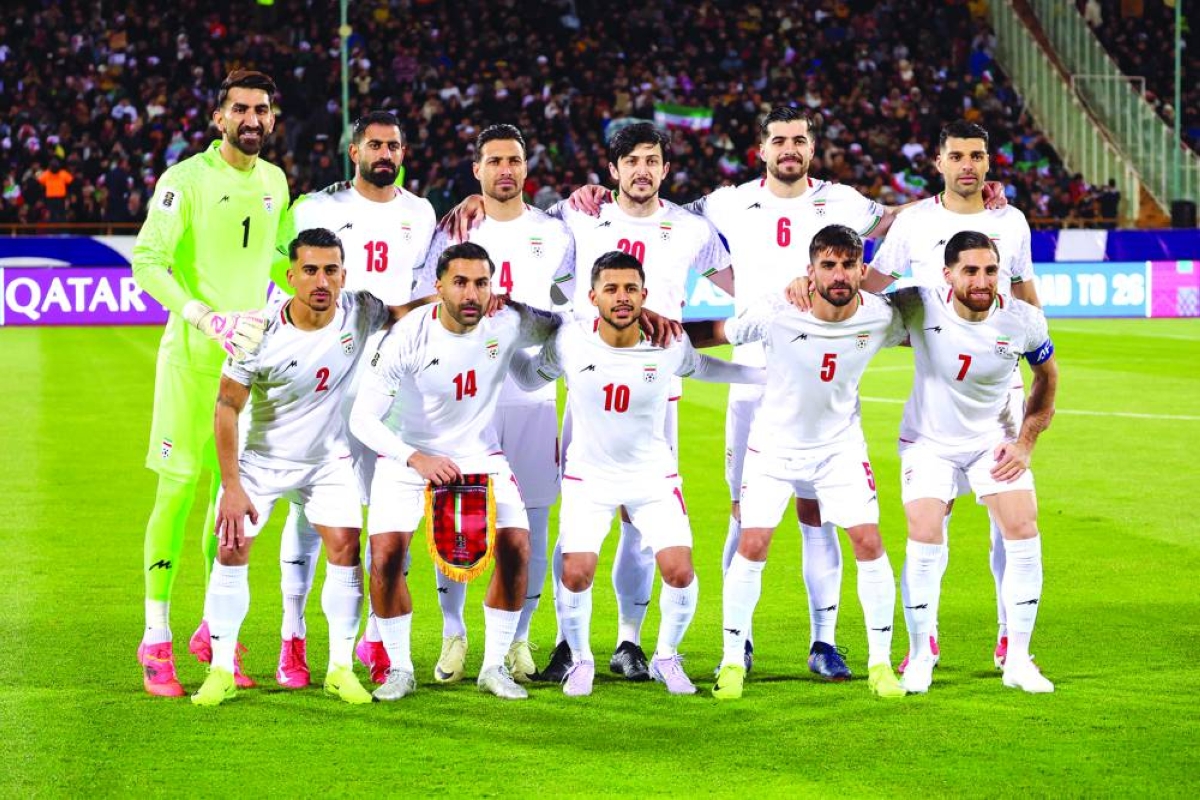
Iran have been drawn in Group G with Belgium, Egypt and New Zealand and are due to play two games in Los Angeles and one in Seattle. (AFP) The war in the Middle East triggered by US and Israeli strikes on Iran has raised the question of whether the Iranian national team will take part in the World Cup later this year, during which it is due to play group games in the United States. What is Iran’s position?The possibility of a boycott of the World Cup has been raised in Iran. Within hours of the joint US-Israeli strikes beginning on Saturday, Iranian Football Federation president Mehdi Taj told Iranian television: “What is certain at the present time is that with this attack and this cruelty, we cannot look forward to the World Cup with hope.” Taj also announced that the Iranian domestic league had been suspended. “Team Melli”, as the Iranian national team are known, secured qualification in March last year for a seventh World Cup, and a fourth in a row. Iran have been drawn in Group G with Belgium, Egypt and New Zealand and are due to play two games in Los Angeles and one in Seattle. A large Iranian diaspora has lived in Los Angeles since the Islamic Revolution of 1979. A large part of that diaspora backed the Pahlavi dynasty which was overthrown in the revolution. What is FIFA’s position?World football’s governing body is remaining cautious regarding the possibility of Iran pulling out of the World Cup. “We had a meeting... and it is premature to comment in detail, but we will monitor developments around all issues around the world,” FIFA secretary general Mattias Grafstrom said on Saturday. A source close to FIFA said no discussions had yet taken place with the Iranian Football Federation regarding a possible withdrawal of the team from the tournament. Tuesday marked exactly 100 days to the tournament’s opening game and the situation in Iran could become acutely uncomfortable for FIFA president Gianni Infantino, who has been keen to show that he has a close relationship with US President Donald Trump. All the more so as other countries in the Gulf who are due to take part in the World Cup have been drawn into the war, with Saudi Arabia, Qatar and Jordan all being targeted by retaliatory Iranian strikes. What do FIFA’s regulations say?FIFA’s regulations do not provide for the possibility of a boycott of the World Cup by a qualified team. A source close to world football’s governing body said “specific decisions” would have to be taken to replace Iran with another team if necessary. Article 6 of the regulations for the 2026 World Cup says that “if a participating member association withdraws...as a result of force majeure,” FIFA “shall decide on the matter at its sole discretion and take whatever action is deemed necessary.” If a team withdraws or is excluded from the competition, FIFA therefore has the freedom to take whatever decision it sees fit and “may decide to replace the participating member association in question with another association.” It would seem logical that an eventual absence of Iran from the competition would open the way for another Asian nation to take their place. At the moment eight Asian teams have qualified for the first World Cup to feature 48 teams in total. There could yet be a ninth Asian team, if Iraq win an intercontinental play-off against either Bolivia or Suriname, scheduled to be played on March 31 in Monterrey, Mexico. Has a country boycotted a World Cup before?There have been boycotts of the Olympics, impacting most notably the Games in Moscow in 1980 and in Los Angeles four years later, during the Cold War. But there has not yet been an equivalent situation at a World Cup. Several qualified teams withdrew from the 1950 World Cup, but for different reasons. Turkey cited financial reasons, while Scotland said they would only go if they won the 1949/50 British Home Championship – FIFA said the top two out of the four teams would qualify, but Scotland finished second to England and so refused to go. Yugoslavia qualified for the 1992 European Championship but the outbreak of war in the Balkans led to UEFA replacing them with Denmark – who had finished behind Yugoslavia in their qualifying group – barely two weeks before the tournament began. Denmark went on to win the trophy. Russian clubs and national teams have been suspended from all international competitions by FIFA and UEFA since the Russian invasion of Ukraine in February 2022.  Related Story

Sports
How the Middle East crisis has affected sporting events and athletes

How the Middle East crisis has affected sporting events and athletes

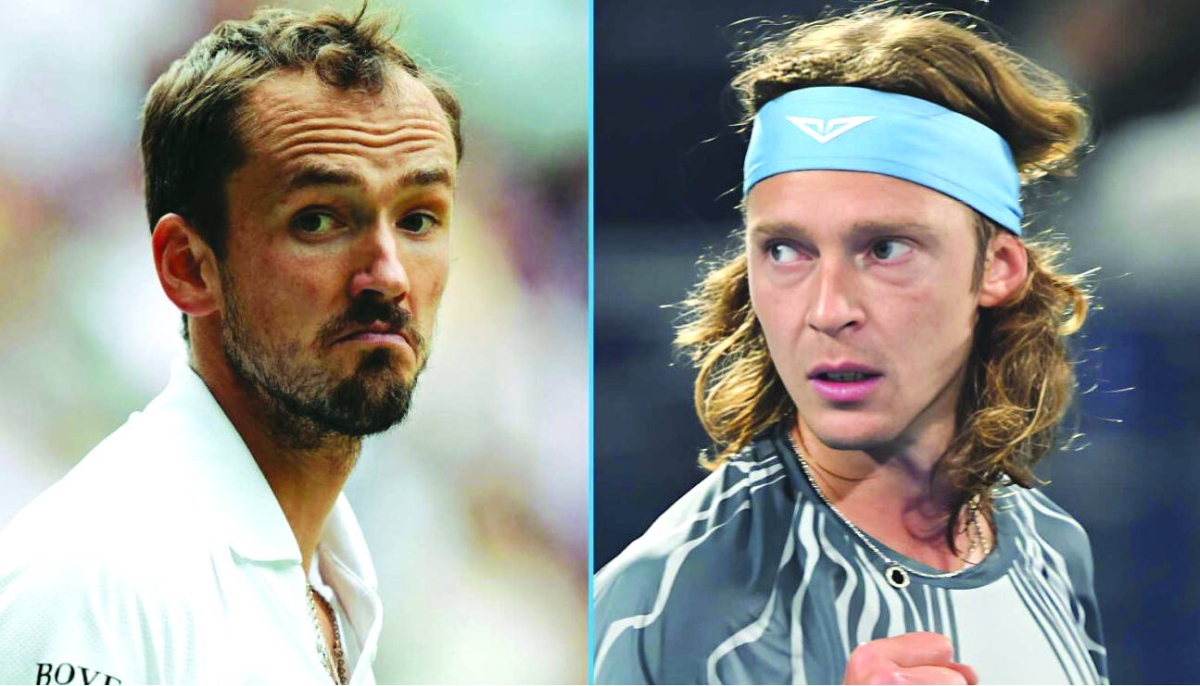
Russian players Daniil Medvedev (left) and Andrey Rublev, who participated in the Dubai Tennis Championships last week, are facing challenges to reach California for the Indian Wells Open. Iran's ongoing conflict with the US and Israel has led to sporting events being postponed in several countries, while competitions elsewhere have been hit by travel disruption, with thousands of flights cancelled in some of the ‌world's busiest transit hubs. ATHLETES' ARRIVALS AT PARALYMPIC GAMES DISRUPTEDThe International Paralympic Committee (IPC) said it ​is working to find solutions ‌after several athletes were finding it difficult to travel to the Milano Cortina Winter ‌Paralympic Games due ⁠to travel disruptions in ‌several Middle Eastern airports. "The closure of airspace ‌in the Middle East is impacting the arrival of some stakeholders... we are working diligently with Milano ⁠Cortina 2026 to find solutions for those affected," the IPC said. TENNIS IN UAE HALTED DUE TO SECURITY ALERTPlay in the Fujairah Challenger event was halted abruptly due to a security alert yesterady, before being cancelled for the remainder of the day. Authorities in Fujairah extinguished a fire caused by debris following the interception of a drone by air defences in the oil industry zone. Football MATCHES IN IRAN AND QATAR POSTPONED​All sporting events in Iran have been cancelled until further notice, including the country's top-flight Persian Gulf Pro League. All Asian Champions League Elite matches in the Middle East were also postponed. ‌The Qatar Football Association indefinitely postponed ⁠all football matches in ​the country, putting in doubt a clash between Spain and Argentina set for ​Doha on March 27. TENNIS PLAYERS MEDVEDEV, RUBLEV STUCK IN DUBAIRussian players Daniil Medvedev and Andrey Rublev, who participated in the Dubai Tennis Championships last week, are facing challenges to reach California for the Indian Wells Open. They are among players facing travel difficulties, and the ATP is monitoring the situation. ENGLAND LIONS RETURN FROM ABU DHABIThe England Lions cricket team left Abu Dhabi and are now safely back in the UK, the country's cricket board (ECB) said. The squad were in the United Arab Emirates for a white-ball series against Pakistan Shaheens before it was called off due to the conflict. Pakistan's cricket board said it was ensuring appropriate measures ‌were in place to bring its ‌team home. MIDDLE EASTERN F1 RACES HANG IN ⁠THE BALANCEMohammed Ben Sulayem, who heads the global motorsport governing body FIA, said safety will be ⁠their main concern when taking a decision ⁠on next month's Formula One races in Bahrain and Saudi Arabia. "Safety and wellbeing will guide our decisions as we assess the forthcoming events scheduled there for the FIA World Endurance Championship and the FIA Formula One world championship," he said on Monday. SINDHU WITHDRAWS FROM BADMINTON'S ALL ENGLAND OPENTwo-time Olympic medallist PV Sindhu was stranded for days at Dubai airport on her way to the All England Open, ​and returned to India as the Badminton World Federation said the former world champion had withdrawn from the tournament. "Back home in Bangalore and safe. The last few days have been intense and uncertain, but I'm truly grateful to be back to my house," Sindhu wrote on X. WEST INDIES, ZIMBABWE DELAY RETURN FROM T20 WORLD CUPThe West Indies and Zimbabwe teams said on Monday they have delayed their return from India after their exit from the Twenty20 World Cup. Zimbabwe were scheduled to return home via Dubai but remain safe and well in India, the country's cricket ‌body said. Cricket West Indies ​said it was working with the sport's global body (ICC) to make safe travel arrangements for its players and staff.  Related Story

Opinion
European capitals push back as Ukraine seeks fast-track EU membership

European capitals push back as Ukraine seeks fast-track EU membership

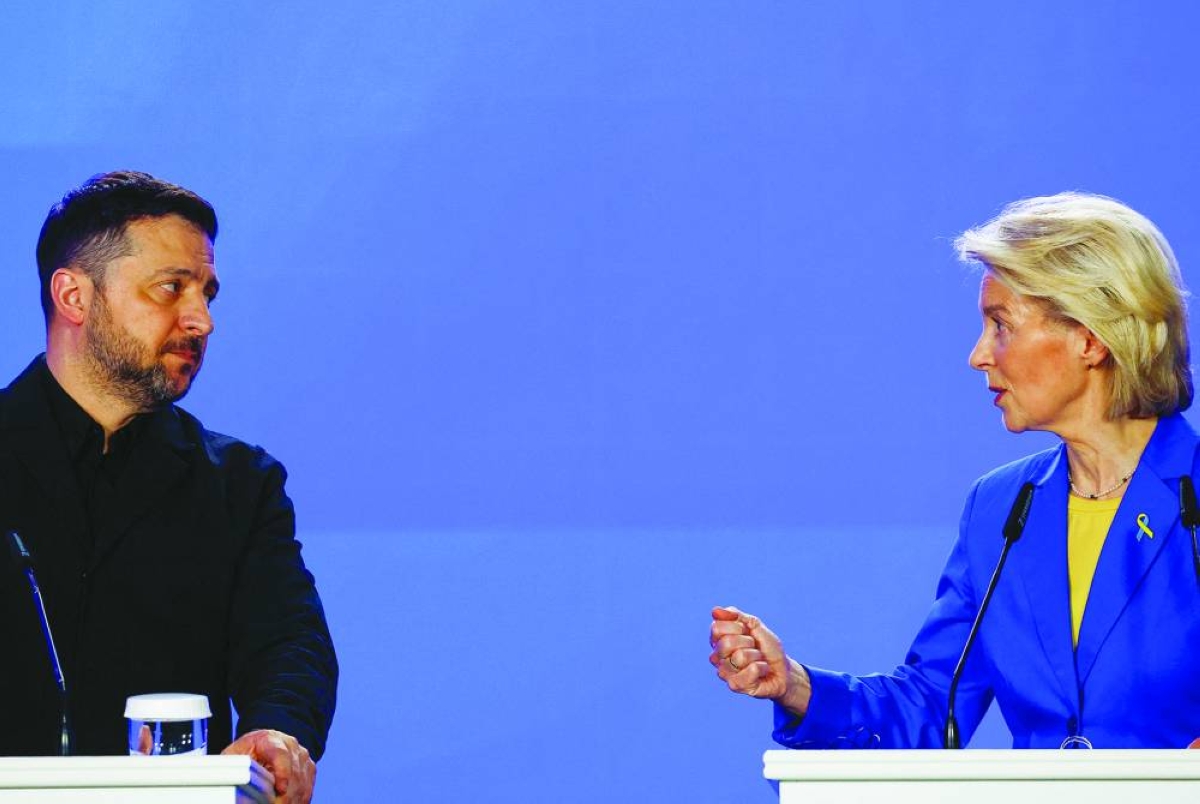
Ukraine’s push for a fast track into the European ‌Union as part of any peace deal has hit stiff resistance from EU governments, who do not want ​to open the Pandora’s box of problems that ‌they fear a quick accession would unleash. Ukrainian President Volodymyr Zelenskiy wants a 2027 date to join the EU ‌as part of a settlement to end Russia’s war, hoping this ‌would anchor his country in Europe’s main political ‌club and offer a path to greater prosperity, security and stability. A clear route into the EU could be vital for Zelenskiy in selling any peace settlement to Ukrainians, particularly if - as is widely expected - Ukraine does not regain control of all of its territory or join the Nato military alliance, analysts say. But EU governments -- including heavyweights France and Germany -- have privately voiced scepticism about a mooted reform of the accession process that would shorten Ukraine’s path to membership, diplomats say. Reuters spoke with eight European diplomats and officials, and many pointed to unease among EU capitals about the idea. Among their concerns is that Ukraine and others would not press on with reforms, such as cracking down on corruption, if it has already been granted EU membership. Ukrainian Deputy Prime Minister ​and lead EU negotiator Taras Kachka told Reuters that Kyiv was ready to address EU members’ concerns. He proposed safeguards such as a monitoring system to check Kyiv was sticking to democratic standards and a transition period before it received EU farm subsidies. But he said a political commitment to ‌a membership date would be important. “This is necessary for the peace process, for the ​establishing of long-lasting and just peace in Europe,” he said. CURRENT MEMBERSHIP PROCESS IS LONG AND COMPLEXThe current process ​for joining the bloc is usually long and bureaucratic, even in straightforward cases, involving years of detailed negotiations and legal reforms to meet EU democratic and economic standards. Every step of the accession process, which is divided into chapters and clusters of policy issues, also requires approval from all EU members. Hungary has blocked Ukraine’s path early in the process. European Commission President Ursula von der Leyen, head of the bloc’s executive, has floated a revamp of the process behind closed doors, diplomats say. Instead of carrying out all the required reforms first, a country could join the EU after meeting some minimum requirements - but with limited access to EU funds and decision-making until they meet all the membership benchmarks. That could make it easier for Ukraine and others such as Moldova, Montenegro and Albania to join quickly - although Zelenskiy’s target of January 1, 2027, would still be unrealistic, not least as ‌all 27 current EU members have to ratify any ‌accession. EU GOVERNMENTS UNCONVINCED BY COMMISSION OVERTURESKachka suggested Ukraine could at least sign an accession treaty with the EU next year, even if ratification and other steps might take longer to implement. But analysts and diplomats see little appetite for such bold moves, including von der Leyen’s mooted revamp, known as “reverse enlargement” as it turns the process on its head by letting a country join before it has met all the current criteria. “The growing support for populist and anti-enlargement parties in several capitals makes governments cautious about being seen to accelerate a process they have not yet built public consent for,” said Anastasia Pociumban, a research fellow at the German Council on Foreign Relations. “The concept of reverse enlargement is dead,” said one EU diplomat. “There is also no support for giving a concrete accession date.” A Western ​European official said: “Ukraine is just not ready and has rampant corruption.” Von der Leyen tried to temper expectations in Ukraine last week. She told Zelenskiy publicly that “dates by themselves are not possible” even as she praised the country’s reforms in the midst of war. COMMISSION EXPECTED TO CONTINUE PUSHING FOR KYIVNevertheless, the Commission is expected to continue to push for ways to get Kyiv into the EU in the next few years, arguing that membership would strengthen the bloc militarily amid fears Moscow may attack an EU member next. Some say a model of gradual integration, whereby aspiring members take part in more and more EU programmes and meetings before joining the club, may be more feasible. “I think a full accession within the next few years remains unlikely,” Corina Stratulat, associate director at the European Policy ‌Centre, said of Ukraine’s prospects. “What seems ​more likely to happen instead is accelerated integration - single market access, energy, digital, transport - phased participation in EU programmes and policies.”   

Opinion
‘AI scare trade’ grips markets amid spending, disruption concerns

‘AI scare trade’ grips markets amid spending, disruption concerns

When ChatGPT was launched in November 2022, any stocks linked to the AI theme surged – from chipmakers and software firms to raw-materials suppliers and even companies most exposed to AI disruption. Over the past three years, investors have sought exposure to all things about artificial intelligence, including high-flying tech stocks behind some of the leading AI technology. But over the past year or so, Wall Street has gone through waves of AI-related selloffs, sparked by fears about everything from more cost-efficient competition in China to the likelihood of a looming AI bubble. Recently, though, the market’s focus has shifted, as predictions that AI will be so successful that it might supplant the need for many types of businesses and workers has driven some stocks down sharply. Wall Street is calling it the “AI scare trade.” The moniker first popped up among market participants unnerved by rolling selloffs in industries such as trucking that previously hadn’t been considered related to AI. For the first time since the stocks rally started in 2023, investors’ views on AI have shifted: Long viewed as a potential productivity booster, some now see the technology as a threat to entire industries. The change in perspective threatens to shift the direction of the market after three straight years of gains. Wall Street traders have been so spooked by the disruptive potential of AI that all it took to spark a drop in the S&P 500 Index at the end of February was a gloomy research memo. The scare trade in AI is essentially two fears wrapped up into one action — sell all things AI-linked — in a market that until recently had been trading at bubble-like valuations. The first fear is that firms like Microsoft and Amazon.com, whose stock prices dropped after reporting earlier this year, are spending too much money on data centres and building out AI infrastructure. The second is that AI will severely disrupt entire industries because AI agents will be able to replace white collar workers, shrinking the workforce and, by extension, consumer spending.  That fear has rolled from one industry group to another in recent weeks, sparking massive selloffs in sectors such as software development, even as the overall stock market has remained flat so far this year. At the end of last year, 83% of companies in the S&P 500 listed AI as a “material risk” to their business, up from 72% in the third quarter of 2025 and just 12% in 2023, according to data compiled by the Conference Board and shared with Bloomberg. To some extent, the current uncertainty on Wall Street reflects the mixed messages coming from Silicon Valley and the wider business community. For years, tech leaders have signalled AI is progressing rapidly and framed it as a transformational technology that will reshape large portions of the global economy. Mind-boggling global AI spending spree is projected to cross $2.5tn in 2026, a 44% increase year-over-year. But as of now, the global AI trade is starting to fracture as soaring capex, rising debt loads and doubts over who will profit from the technology force investors to draw sharper lines. In the near term, however, AI’s impact is murkier. Multiple studies last year found employees were using AI to produce “workslop,” undercutting productivity rather than boosting it. Leading AI labs are also still working to help businesses understand how best to use their tools. What’s certain is that AI is here to stay, and the companies that stand to benefit are those providing the foundation of the infrastructure — utilities, chipmakers, and manufacturers of grids and pipelines.  

Opinion
Investors brace for a bigger backlash from ME conflict

Investors brace for a bigger backlash from ME conflict

From being just a fringe risk, conflict in the Middle East has become a top worry for investors unsettled by the prospect of a power ‌struggle in Iran and a protracted regional war, with ramifications for everything from global trade to inflation. US-Israel strikes killed ​Iranian Supreme Leader Ayatollah Ali Khamenei, sowing chaos as Iran struck back at Gulf cities, airlines halted flights and tankers carrying oil and ‌other products suspended transit through the key Strait of Hormuz. The first ‌risk for markets is the uncertainty over what happens ‌next in Iran, given the complexities of the Islamic Republic’s ruling system, the ideological nature of its support base, and the power of its Revolutionary Guards. That then complicates the outlook for oil prices which have been rising for weeks, but are now hostage to what oil-producing countries do and how passage of tankers through the Middle East is affected, with big implications for inflation worldwide and even the safety of bonds hitherto deemed havens. “Middle East tail risks have increased. Markets will reprice from geopolitical shock to regime risk shock, prolonged conflict, not just retaliation, unless Iran says it wants to negotiate,” said Rong Ren Goh, a portfolio manager in the fixed income team at Eastspring Investments in Singapore. A bigger risk, analysts said, is complacency in markets ​that have assumed the fallout would be limited, like it was during last June’s “12-Day War” in Iran or during Russia’s numerous attacks on Ukraine, and dismissive of any comparisons to Iran’s 1979 regime change. Brent crude jumped around 8% on Monday for a gain of nearly 30% so far this ‌year, and investors have already purchased US Treasuries and gold as hedges for ​a variety of risks, including Middle East tensions and President Donald Trump’s erratic policies. Gold had a record run ​last year and is up 24% so far in 2026. The main US stock index is up just 0.5%. “History argues strongly in favour of selling geopolitical risk premium when hostilities start,” Barclays analysts said in a note on Saturday. “What worries us is that investors have now learned this pattern and might be underpricing a scenario where containment fails.” Barclays analysts point to other factors that could exacerbate a selloff should the conflict escalate, such as existing concerns around the artificial intelligence boom and private credit markets. “We would recommend not buying any immediate dip — risk-reward doesn’t seem compelling. If equities pull back enough, say over 10% in the S&P 500, there is likely to come a time to buy. But not yet,” they wrote. Early on Monday, as oil gained, safe assets rose — with the dollar broadly higher, gold up about 1.6% and a bid for Treasuries. ‌Benchmark Brent crude futures were up about 8.5% at $79.05 ‌a barrel and S&P 500 futures fell 1%. “The markets are prepared for a limited surgical strike. What is not priced in is a major strike to decapitate the regime,” said Charles Myers, chairman and founder of Signum Global Advisors, a geopolitical investment consulting firm. He was speaking before the weekend US-Israel strikes. William Jackson, chief emerging markets economist at Capital Economics, expects a prolonged conflict affecting supply could cause oil prices to jump to around $100, potentially adding 0.6-0.7 percentage points to global inflation. “In my view, the market has already been overestimating inflationary forces, so I don’t think this will change much. There will be more impact on Europe than US given the closer proximity of Hormuz oil and gas post-Russia,” said Tariq Dennison, a wealth adviser at Zurich-based GFM Asset Management. “Maybe a ​slight short term uptick on gold, but gold has already priced in maximum geopolitical uncertainty.” Eastspring’s Goh pointed to the steady drop in US yields, which has brought 10-year yields to below 4%. “I’m not sure if buying US Treasuries here is a good trade, especially if oil prices spike and induce inflation, if this thing drags,” he said. On the other hand, some analysts expect Iran will not be able to disrupt trade in the Gulf region and the impact on oil prices will be contained.    

Opinion
Why the attack on Qatar could disturb world peace and stability

Why the attack on Qatar could disturb world peace and stability

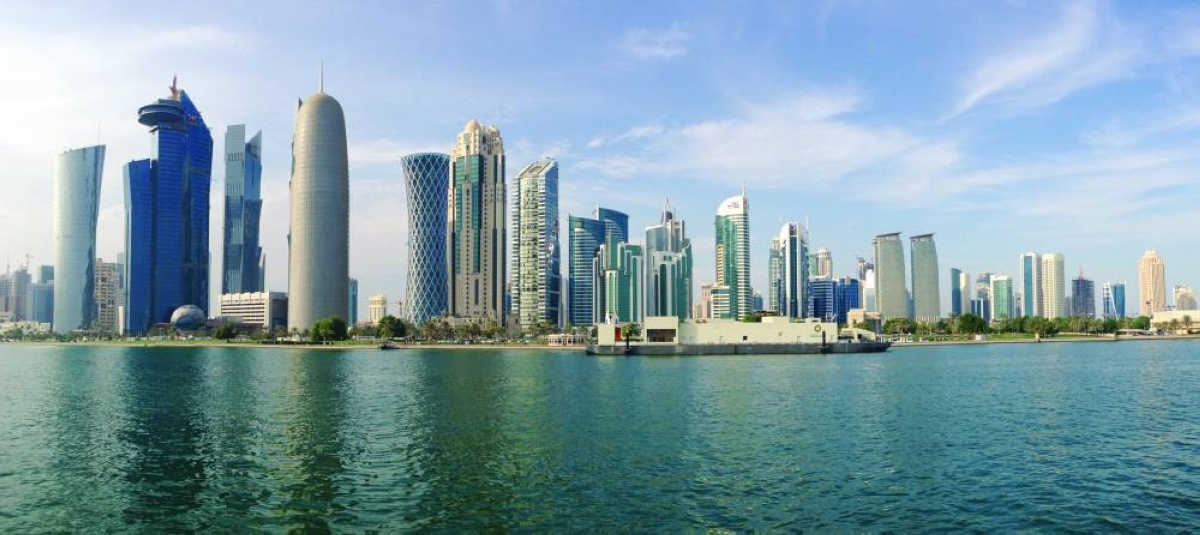
With a diverse population from around 180 nationalities living in peace and harmony together, Qatar has always maintained an excellent and well-deserved reputation as safe, secure, stable, and a global peace maker, actively engaged in de-escalating tensions and restoring reconciliation. The country has won such a reputation through constant and diligent work to maintain regional and international stability out of a steadfast belief that people should resolve their differences through talks and negotiations, and avoid conflicts and clashes, as peace and stability build a better life for people who should work together for the good of humanity. Accordingly, the recent missile and drone attacks by Iran are considered a flagrant and completely unjustifiable assault on a peace-making nations that hosts people from around the world and help them build their dreams, opening for them and their families in their own home countries, excellent work opportunities that help improve their lives. The estimates for personal remittance of the expatriates living in Qatar received by other world countries from Qatar amounted to over $1.44bn in 2024, and the figures keep constantly increasing as it keeps expanding its excellent and robust economy. The attack on Qatar, even though the country is well-prepared and highly-equipped to fend it off with the minimum losses, has caused concern to many people around the world, who have their support and source of income living in Qatar. According to some strategic and political experts and analysts, such attacks on Qatar and other countries in the region would only weaken the Iranian regime and deplete its military capabilities, as these are considered reckless and would only worsen the already collapsing Iranian military for no use. Qatar has stressed that there is no way out but immediate return to dialogue and diplomatic issues to resolve the pending issues. Qatar has always called for de-escalating tensions in the region and has worked to facilitate talks between Iran and the West, maintaining a neutral stance while exerting intensive efforts to promote peace, stability, and keep talks and negotiations going. Qatar has mediated between the USA and Iran over the past years, with proven positive outcomes, including prisoner swap deals and the release of frozen Iranian assets in 2023. Over the past years, Qatar has established its global position as a trusted and active mediator to end wars and conflicts, facilitate the exchange of prisoners of war and freeing hostages, and bridge the gap between adversaries, while hosting peace talks of conflicting parties in Doha and being a generous donor for humanitarian relief efforts and development funds in the areas torn by conflicts and disasters. Among the few recent examples of peacemaking efforts of the country: Gaza ceasefire and humanitarian agreements, Chad Peace Agreement in 2022, Libya tribal conflicts reconciliation agreement in 2015, Darfur peace process in 2011, the ongoing efforts to resolve the M23 crisis between Rwanda and Congo, the ongoing humanitarian efforts to reunite Ukrainian and Russian children separated by war with their families with many recorded successes, key role in helping resolve Kenya-Somalia dispute and restoration of diplomatic relations between them in 2021. The peacemaking efforts of Qatar’s diplomacy have extended from the Middle East to Africa, Europe, Latin America, and other regions around the world. Besides, Qatar’s economic power is key to the world and regional stability as the country is considered the world’s largest exporter of LNG, securing a steady supply of energy to many major world economies, with world’s largest LNG shipping fleet that include more than 70 vessels and more are being added at steady rate to enhance global delivery systems. Further, Qatar is considered the second-largest fertiliser exporter internationally and is well-positioned to be the largest urea exporter globally by 2030.     

Sports
Arteta fires back at critics of Arsenal’s set-piece success

Arteta fires back at critics of Arsenal’s set-piece success

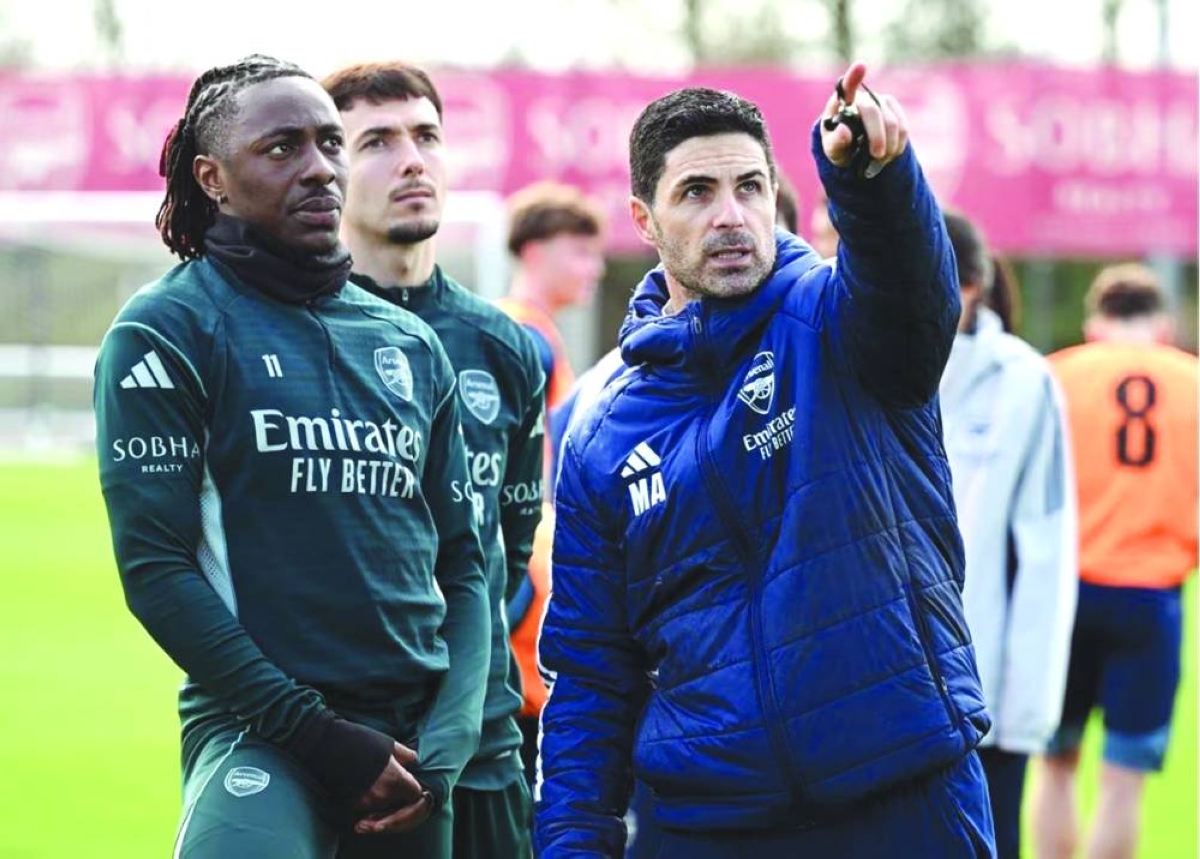
Arsenal manager Mikel Arteta (right) with midfielders Eberechi Eze and Martín Zubimendi during a training session. Mikel Arteta has hit back at critics of Arsenal's dependence on set-pieces, saying he is disappointed the Premier League leaders do not score even more goals from dead-ball situations.Arteta's side have established a five-point lead at the top of the league thanks in large part to their success from set-pieces. They equalled the Premier League single-season record for goals from corners with two in Sunday's 2-1 win over Chelsea to reach 16 for the campaign.But Arsenal's excellence since Nicolas Jover took over as set-piece coach has sparked criticism of their reliance on the tactic. The debate on whether set-pieces are ruining football as a spectacle is raging, with Liverpool boss Arne Slot revealing he no longer enjoys watching some Premier League matches.Former Chelsea striker Chris Sutton, a Premier League title winner with Blackburn, said Arsenal will be the "ugliest" Premier League champions if they go on to clinch the title.Arteta is unrepentant, insisting his only concern about the use of set-pieces is making sure Arsenal are even more efficient with them. "I'm upset that we don't score more, and that we concede as well," he told reporters, on the eve of a trip to Brighton. "We want to be the best and the most dominant team in every aspect of the game, and that's the trajectory and the aim of this team, and as a club, we want to be the same. So we try to do that."Asked if he was surprised at the criticism aimed at his side, Arteta replied: "Part of the job."City manager Pep Guardiola believes teams should focus on adapting to the set-piece strategy rather than complaining about the issue. Arteta, who worked under Guardiola at City before joining Arsenal, agrees with his fellow Spaniard's assessment."Now teams are adapting. Chelsea, look at the quality that they have, the amount of set-pieces they score. Manchester United as well. I was at Man City, I used to work a lot on them," he said.Undeterred by the claims that Arsenal will be "ugly" champions, Arteta said: "I don't know how you celebrate one goal different to another one. Maybe for YouTube it's nicer one or another. I don't know."I would like to play with three players extra in my own half to get some beautiful football. This is not the reality of football. If you want to watch that football, you have to go to a different country because in the Premier League, for the last two seasons or three seasons, this is not the case."  Related Story

Sports
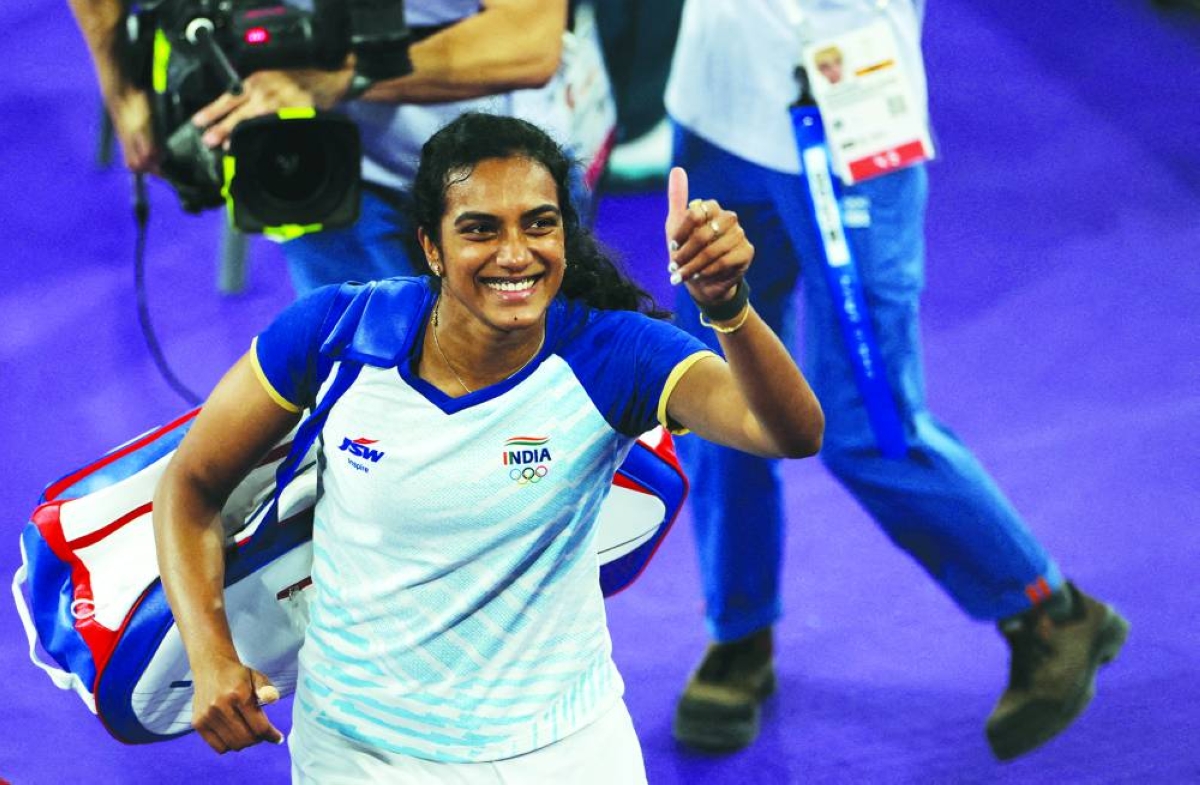
India’s Sindhu returns home from Dubai ordeal, withdraws from All England Open

India’s Sindhu returns home from Dubai ordeal, withdraws from All England Open

FILE PHOTO: Paris 2024 Olympics - Badminton - Women's Singles Group play stage - Porte de La Chapelle Arena, Paris, France - July 28, 2024. V. Sindhu Pusarla of India gestures as she leaves the

Sports
South Africa juggernaut faces knockout test

South Africa juggernaut faces knockout test

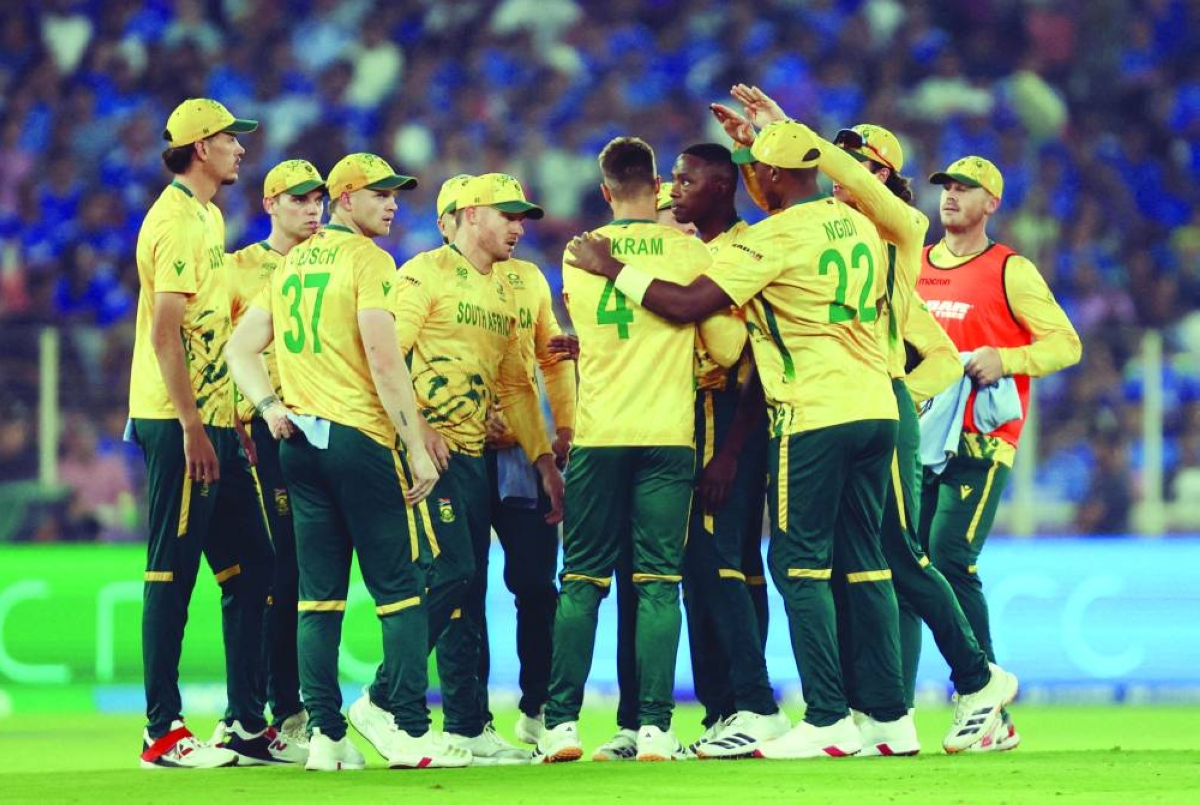
South Africa have hardly put a foot wrong in their march to the Twenty20 World Cup semi-finals, but complacency can have no place against a New Zealand side ‌famed for punching above their weight when the teams meet ​at Eden Gardens Wednesday. The Proteas are the tournament’s only unbeaten side and ‌look a far more rounded T20 ‌unit than the one that ‌fell at the last hurdle in 2024. They beat New Zealand in the group stage and have earned the favourites’ tag that rested with defending champions India before the start of the tournament. India face England in the other semi-final on Thursday. “I’m glad that we’re favourites, because I’ve always felt that as a South African team you want to be able to play as a favourite,” head coach Shukri ​Conrad said, suggesting they were enjoying the spotlight. Since surviving a double Super Over against Afghanistan, Aiden Markram’s side have not taken their foot off the pedal. In ‌Quinton de Kock, Markram and Ryan Rickelton, they ​field a top order capable of banking a powerplay head-start, ​with an explosive middle order offering little respite when the openers do not fire. South Africa complement it with a varied bowling attack. Kagiso Rabada’s hard, Test-match lengths and Marco Jansen’s left-arm bounce have cramped batters, while Lungi Ngidi’s change-ups have been a revelation across phases. Left-arm spinner Keshav Maharaj provides control if conditions grip, with Markram holding himself back for match-ups. South Africa have looked ominous so far but the knockout stage brings its own challenge. Besides, ‌New Zealand can be a ‌tricky opponent. New Zealand opener Finn Allen’s ultra aggression is often the powerplay disruptor alongside a rotating partner - Devon Conway or Tim Seifert. All-rounder Rachin Ravindra’s ability to change gears sets a platform for Glenn Phillips and Daryl Mitchell to attack the back end. Their pace attack does not have a settled look though. The Black Caps are likely to miss the services of fast bowler Matt Henry, who is back home on paternity ​leave. Jacob Duffy or Kyle Jamieson could replace him. Their spin unit looks well covered however. Captain Mitchell Santner’s stump-to-stump trajectory is a key match-up against de Kock and Markram, and Ish Sodhi’s leg-spin could trouble South Africa’s right-hand middle. “We faced them in Ahmedabad, which I think is a venue that they’ve grown pretty used to given that they’ve spent a fair bit of time there,” New Zealand’s head coach Rob Walter said. “The ‌semi-finals will be ​in a different venue. It will provide a different challenge.”  Related Story