Opinion
How China plans to dominate global trade long after Trump

How China plans to dominate global trade long after Trump

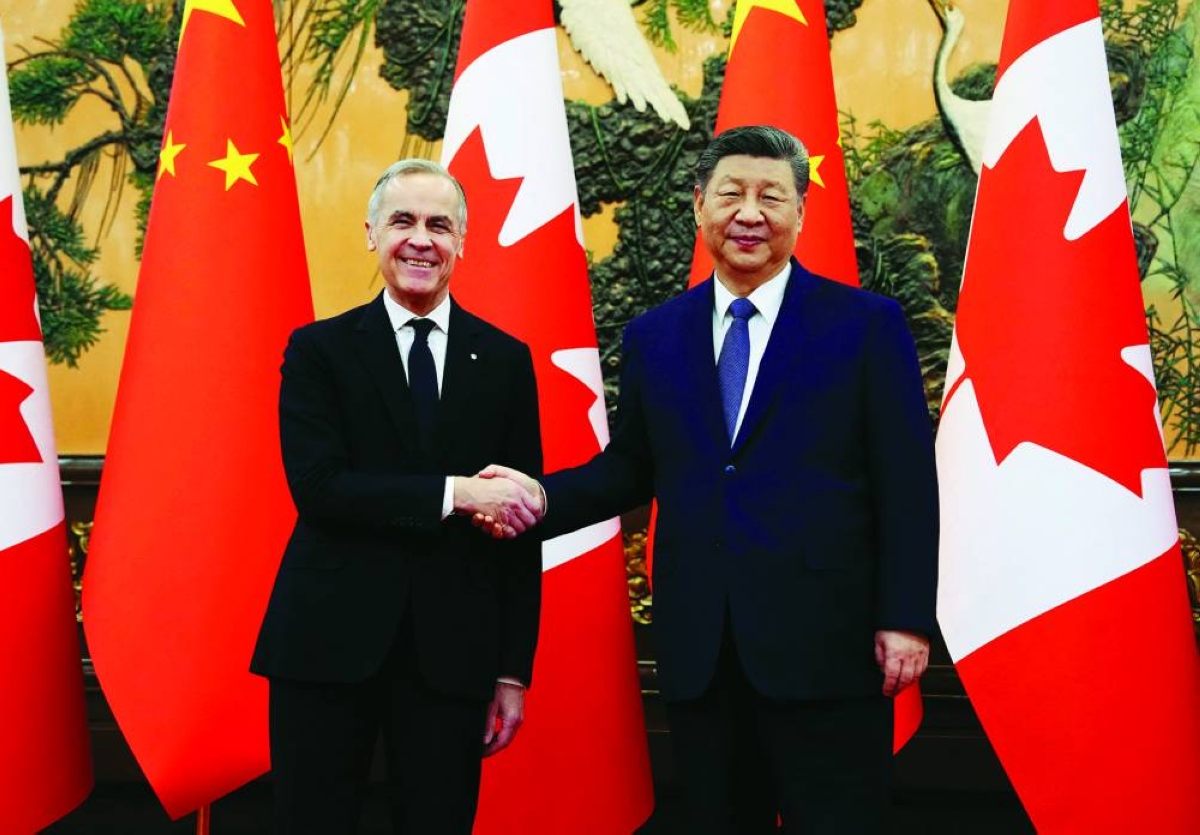
China sees an opening to turn President Donald Trump’s tariffs to its advantage by reshaping global trade in ways that would insulate its $19tn economy from US pressure far into the future. Beijing is exploiting the uncertainty created by Trump to try to stitch China’s vast manufacturing base into the world’s biggest economic blocs, including the European Union, Gulf States and a trans-Pacific ‌trade pact, a Reuters examination found. The push involves accelerating efforts to clinch some 20 trade deals in total, many years in the making, despite widespread concerns about China’s overproduction, uneven market ​access and soft domestic demand. A Reuters review of 100 Chinese-language articles by state-backed ‌trade scholars written since 2017 reveals a systematic push by China’s policy advisers to reverse-engineer US trade policy and neutralize Washington’s containment strategy. China is now putting that blueprint into action. The ‌deal reached with Canada during Prime Minister Mark Carney’s January visit to Beijing — which slashes tariffs on Chinese ‌electric vehicles — was the first of many aimed at breaking US leverage, according to interviews with 10 ‌people, including Chinese officials and trade diplomats. “Don’t interrupt your opponent when he is making a mistake,” said one Chinese official of Trump’s disruptive trade agenda. The review, drawn from over 2,000 trade-strategy papers endorsed by the Chinese Academy of Social Sciences (CASS) and Peking University, which advise top leaders, shows policy insiders broadly accept that painful structural change is a price worth paying for China’s long-term dominance of global commerce. The papers’ contents are reported here for the first time. If successful, Beijing could upend more than a decade of US trade policy by placing itself at the heart of a new, China-shaped multilateral order, two Western diplomats said. “The Chinese have a golden opportunity now,” said Alicia Garcia Herrero, senior fellow at the Bruegel think tank. China’s commerce ministry didn’t respond to a request for comment about Beijing’s strategy. Asked about China’s approach, a US official told Reuters it was no surprise that countries with large trade surpluses sought to maintain globalization. “President Trump is fixing the problems globalisation caused for the United States while other countries are trying to double down on globalisation as free market access to the United States goes away,” the official said. BUILDING BLOCSThe shift in China’s tone reflects its calculations. A year ago, Beijing was invoking Mao Zedong and its ability to fend off the West in the Korean War with ​martial propaganda. Now, as China prepares to welcome Trump in April, its diplomats are touring the world urging trading partners to join it in defending multilateralism and open trade. In January, China dispatched its top diplomat to tiny Lesotho — which Trump initially hit with a 50% tariff — to pledge development co-operation. On Saturday, state media said China would implement zero tariffs on imports from 53 African countries. Meanwhile, China is pitching AI-powered customs systems to neighbours and working to retool digital infrastructure that underpin commerce. The moves ‌underline a goal identified in the policy papers: to embed China so deeply in global trade that partners can’t afford to ​decouple under US pressure. “In countering US strategic competition with China, ‘anti-decoupling’ should become China’s primary focus,” wrote Ni Feng, fellow at CASS’s Institute of American Studies, in 2024. Chinese officials are ​now working to fast-track stalled trade talks. Since 2017, China has been negotiating with countries including Honduras, Panama, Peru, South Korea and Switzerland. “We are willing to negotiate bilateral and regional trade and investment agreements with interested countries and regions,” commerce ministry spokesperson He Yongqian told Reuters during Carney’s visit, without elaborating. China’s foreign minister Wang Yi surprised European negotiators in November by raising the prospect of a free-trade agreement with Brussels during talks with his Estonian counterpart. A month later, Wang pressed the Gulf Cooperation Council to conclude long-running talks on a free-trade agreement. In January, British Prime Minister Keir Starmer agreed with Chinese leader Xi Jinping to launch a feasibility study into a trade-in-services agreement that could reduce barriers for British firms. German Chancellor Friedrich Merz has said he will seek “strategic partnerships” with China during a trip next week. China’s commerce minister Wang Wentao has made joining the Comprehensive and Progressive Agreement for Trans-Pacific Partnership (CPTPP) a priority. The pact has its roots in the US-backed Trans-Pacific Partnership, developed in part to counter China before Washington withdrew in 2017. But China’s huge trade surplus complicates the pitch. Some member countries worry Chinese manufacturers may use improved market access to funnel excess low-cost goods abroad, while China’s domestic demand remains sluggish. Wendy Cutler, chief negotiator during the Obama administration for the Trans-Pacific Partnership, acknowledged the window for Beijing to champion trade and multilateralism but said China needed to go beyond talk. “And with its huge trade imbalances, as well as some of the coercive measures it’s now taking against countries like Japan, it’s hard to see ‌how they’re walking the walk,” Cutler told Reuters. A senior European trade diplomat dismissed Beijing’s overtures ‌as “pure Chinese propaganda,” saying Brussels had no plans for a trade deal. Chinese advisers are undeterred. Speaking to Reuters, one noted the EU and China had negotiated a landmark 2020 investment deal during Trump’s first term. The deal, however, was frozen in 2021 before it could take effect amid a dispute over human-rights sanctions. LESSONS LEARNEDSome Chinese advisers contend in the papers that Beijing should study how Washington has “weaponized” global institutions to contain China, and exploit openings created by Trump’s willingness to abandon or sideline multilateral bodies such as the World Trade Organization. Others argue Beijing should focus on influencing global standards in fields such as intellectual property through initiatives like Xi’s Belt and Road program and China’s membership of the Regional Comprehensive Economic Partnership, which covers about 30% of global GDP. China is now applying those insights. Its recently upgraded deal with Southeast Asian states, for example, focuses on AI-driven and digital trade, where China hopes to secure a first-mover advantage. Indeed, China’s vision for customs processing is evident at its “Friendship Port” on the Vietnamese border, where state media says home-grown AI solutions have slashed waiting times by 20%, enabling faster deliveries. Reuters couldn’t independently verify the claim. TRILLION-DOLLAR SURPLUSThe risks that China’s $1.2tn trade surplus poses to trading partners’ manufacturing sectors are hard to overlook, however. Pascal Lamy, former WTO director-general and EU trade commissioner, said Chinese firms are sending more goods to Europe than the bloc ​can absorb. “It’s a mystery how, given the nature of the regime, given the sort of collective cleverness, how is it that they have not succeeded in rebalancing their economic model?” he said. Not everyone sees closer ties with China as the easiest way to curb reliance on the US. Stephen Nagy, China project lead at the Macdonald-Laurier Institute in Ottawa, said Carney’s tariff-cutting agreement with Xi appears designed to build leverage before talks over the US-Mexico-Canada (USMCA) trade deal. “I think his bet is wrong,” he added, predicting that Trump wouldn’t be swayed. Carney has said Canada respects its USMCA commitment not to pursue free-trade deals with non-market economies. His office didn’t respond to a request for comment. Mexico, for its part, is wary of endangering US market access by moving too close to China. “We see no need for a free-trade agreement with China right now,” said a Mexican trade official. “We are already in the CPTPP and have 60% of world GDP covered.” Beijing’s trade partners really need China to revive its consumption, said Fred Neumann, chief economist for Asia Pacific at HSBC. Wang, China’s commerce minister, has said growing imports is a priority as Beijing prepares to launch its next five-year plan in March, in line with a commitment to raise consumption’s share of GDP. But rebalancing is a long-term project. Trump has three years left in office, and the next administration could revert to building ‌coalitions to contain China. China must “study in depth the logic of ​US actions within international institutions and the possible next steps it may take to better respond to increasingly fierce strategic offensives in the future,” Zhao Pu, then at Renmin University and now a researcher at CASS’s Institute of American Studies, wrote in 2023.   
Opinion
What is in the EU’s draft ‘made in Europe’ law?

What is in the EU’s draft ‘made in Europe’ law?

The European Commission will propose a law next week requiring that when public money is used to support key strategic technologies, a minimum share of those products is “made in Europe”. Here is what you need to know. ‘Made in Europe’ is currently a major EU initiative aimed at boosting the continent’s manufacturing independence and competitiveness. It serves as both a strategic partnership and a proposed legal framework to protect local industries. The “made in Europe” plan is part of broader EU efforts to help local industries ​compete with manufacturers in China ‌and other countries where they do not face Europe’s strict regulations and higher energy ‌prices. By prioritising European-made goods in public contracts, the ‌EU will aim to harness the huge ‌financial firepower of its members’ public procurement - which totals more than 2tn euros ($2.37tn) or 14% of EU economic output - to support domestic industries. The “Industrial Accelerator Act” due to be published on February 26, will set EU-made content and low-carbon requirements for products bought through public procurement or subject to manufacturing subsidies, according to a draft seen by Reuters. The proposed rules cover “key strategic sectors”, including batteries, solar and wind energy, hydrogen manufacturing, and nuclear power plants. Each technology has a specific Europe-made requirement. For example, for solar panels, the inverter and two other main components must ​be Europe-made after one year - increasing to three main components after two more years. Makers of electric vehicles bought or leased through public procurement would have to ensure their vehicles are assembled in the union, and that 70% ‌of their components — measured by value and excluding the battery — are ​made in Europe. Aluminium manufacturers that benefit from subsidies would face a 25% minimum ​for Europe-made and low-carbon products, with a 5% Europe-made minimum set for concrete. The draft also proposes a voluntary label for the greenhouse gas emissions intensity of steel to make lower-carbon products more visible. The draft proposal would also set conditions for foreign investments of more than 100mn euros in strategic sectors, and where the investor is from a country that controls at least 40% of that sector’s global manufacturing capacity. The criteria include the requirement that the foreign investor cannot hold a majority stake in an EU company, and that the investor must license its intellectual property to benefit the EU investment. The fiercely debated proposal has already been delayed ‌twice and could change before the European ‌Commission publishes it, and later when EU countries and the European Parliament will negotiate the final law. A key question is how it will define “made in Europe”. The draft goes with the European Economic Area, which comprises the 27 EU member states, Iceland, Liechtenstein, and Norway, but excludes Britain. But it also said the Commission could add other “trusted partners” in future, including those that have reciprocal international commitments, such as the World Trade Organization’s Government Procurement Agreement, or which contribute to EU competitiveness and security aims. The draft provides some exceptions — for example, it could lift the “Europe-made” requirement if a product is only made by ​one company worldwide, or if switching to Europe-made would be at least 30% more expensive. The plans have strong backing from France, whose EU Commissioner Stephane Sejourne is responsible for developing the law. Much of European industry also supports the plan, with more than 1,100 business leaders co-signing his article published this month. Carmakers were absent, however, reflecting concerns that a “made-in-Europe” definition would exclude their sprawling global supply chains. German Chancellor Friedrich Merz has also struck a cautious tone, telling an industry event last week that European preference rules should be a “last resort” and suggesting a “made-with-Europe” approach that could include other ‌trade partners. Some governments are more ​critical. Sweden and the Czech Republic have warned that the plans could deter investment and raise prices in Europe.  

Lifestyle
MSK showcases breakthrough cancer innovations at World Health Expo

MSK showcases breakthrough cancer innovations at World Health Expo

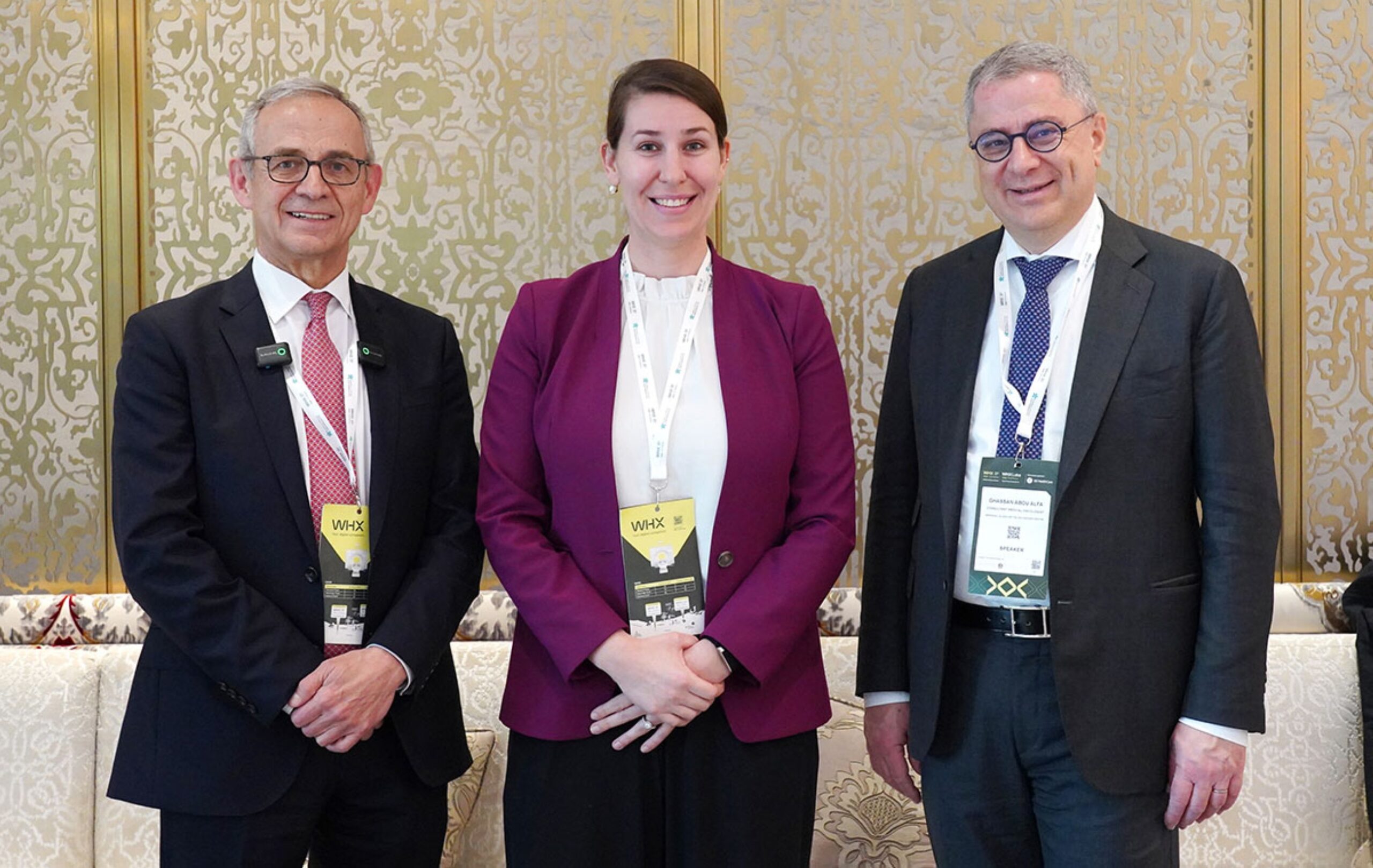
 Gulf Today, Staff Reporter At the recent World Health Expo (WHX) in Dubai, New York-based Memorial Sloan Kettering Cancer Center (MSK) showcased how breakthroughs in cancer research are being transformed into tangible benefits for patients worldwide,

Business
Egyptian Restaurants Struggle to Survive as Preparation Lags Behind

Egyptian Restaurants Struggle to Survive as Preparation Lags Behind

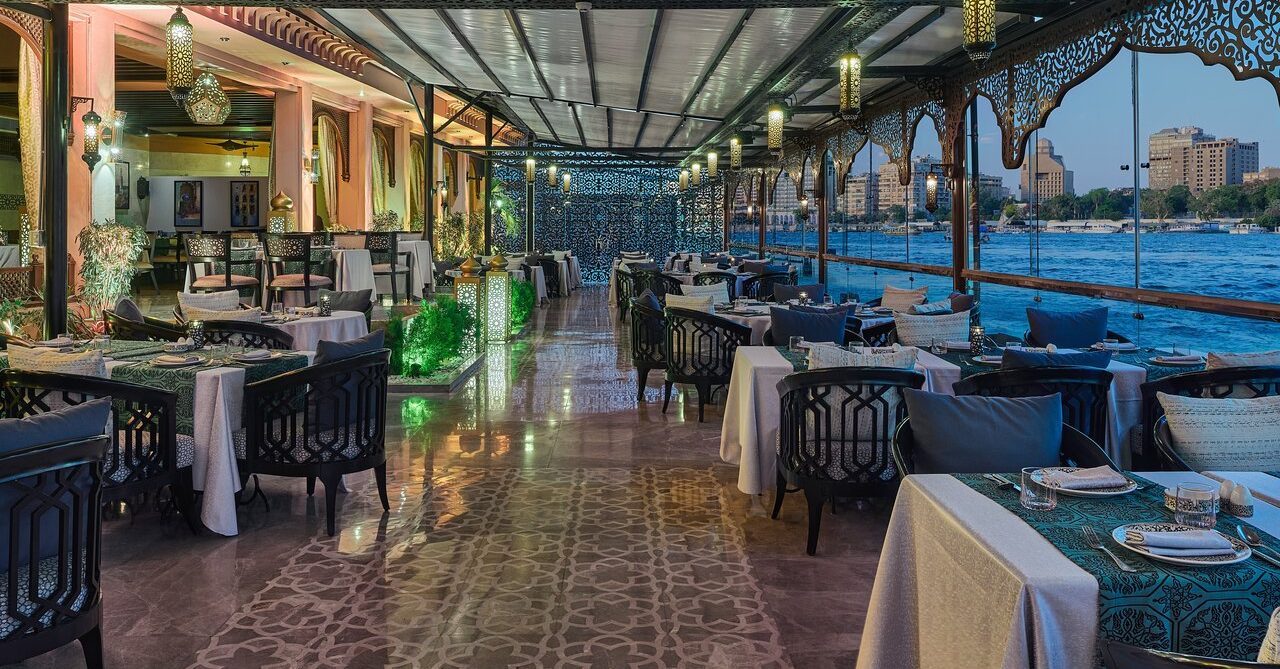
On Cairo streets, many restaurants open with optimism and close with startling speed. New signs go up overnight, and months later, the lights go off, replaced by another concept, another promise. In Egypt, the restaurant

Tech
Iraq corridor cable aims to link UAE and Turkey — Arabian Post

Iraq corridor cable aims to link UAE and Turkey — Arabian Post

  An Iraqi-Emirati consortium is advancing plans for a $700 million subsea and terrestrial data cable connecting the United Arab Emirates to Turkey through Iraq, signalling intensifying competition among Gulf states to dominate regional digital

Tech
Apple tests text-driven playlist creation tool — Arabian Post

Apple tests text-driven playlist creation tool — Arabian Post

Apple has rolled out a new feature in its latest iOS developer beta that allows users to generate customised Apple Music playlists using a simple text prompt, marking a deeper push into artificial intelligence-driven music

Tech
Krea AI secures $83m to streamline creative workflows — Arabian Post

Krea AI secures $83m to streamline creative workflows — Arabian Post

Krea, a San Francisco-based technology startup, has locked in a total of $83 million in funding aimed at building a unified generative AI platform for designers, artists and creative teams grappling with a fragmented ecosystem

Tech
WordPress.com unveils sweeping AI site builder — Arabian Post

WordPress.com unveils sweeping AI site builder — Arabian Post

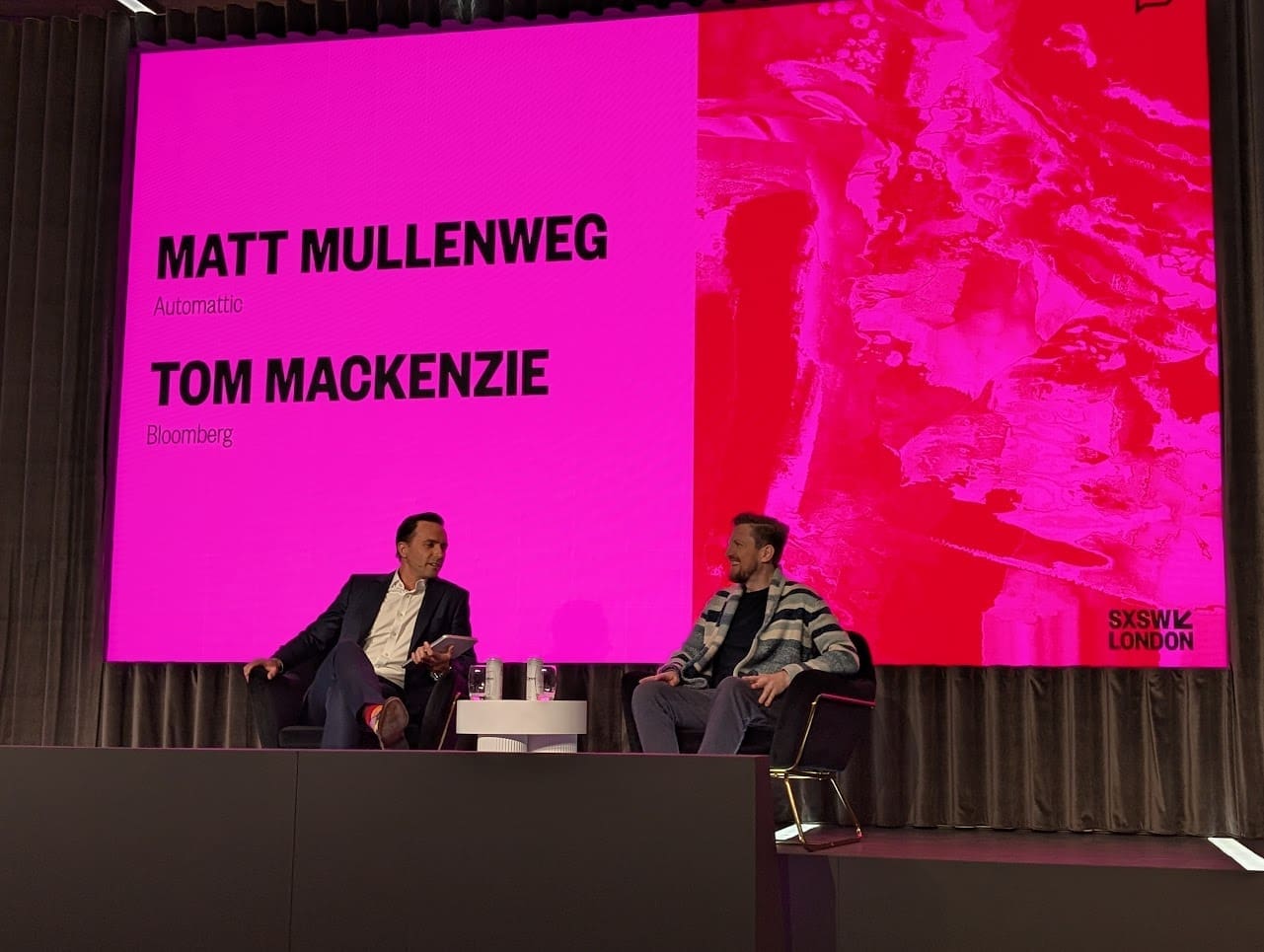
Automattic has introduced an expansive artificial intelligence assistant for WordPress. com, enabling users to edit text, generate images and reshape site designs through conversational prompts, marking a decisive turn in how websites are created and

Tech
WordPress.com’s ai assistant reshapes website creation — Arabian Post

WordPress.com’s ai assistant reshapes website creation — Arabian Post

WordPress. com has unveiled a powerful artificial intelligence assistant that allows users to build, edit and redesign websites simply by issuing natural language commands, a move that could redefine how millions of sites are created

Opinion
North Korea’s new Congress to reset weapons development goals

North Korea’s new Congress to reset weapons development goals

North Korea is set to unveil new weapons development goals at its Ninth Party Congress this month, amid assessments that Pyongyang has checked off only part of a sweeping list ‌of capabilities that leader Kim Jong-un targeted at its 2021 Congress. While nuclear weapons and ballistic missiles ​remain central to Kim’s strategy, analysts say ‌the more mixed record lies in the conventional systems that could sharpen North Korea’s ability to find ‌targets, coordinate forces and apply pressure below the nuclear ‌threshold — including drones, submarines and space-based surveillance. In his report ‌to the Eighth Party Congress, Kim urged development of a range of systems, including hypersonic weapons, a solid-fuel intercontinental ballistic missile, and military reconnaissance satellites and drones, according to state media. The full report also referred to the design of a new nuclear-powered submarine as being in its “final examination” stage, and said work had been completed on “unmanned striking equipment”, “means of reconnaissance and detection” and a “military reconnaissance satellite”, among other electronic weapons. Since 2021, state media has repeatedly shown Kim overseeing tests of reconnaissance drones, while urging that unmanned systems and artificial intelligence be prioritised for modern warfare. A September analysis by 38 North, a US think-tank, said North Korea is expanding its drone programme and production capacity. The Institute for National Security Strategy, a ​think-tank run by South Korea’s National Intelligence Service, also flagged in a September report Ukrainian officials’ claims that Russia set up production capacity in North Korea for Russian drones. “If this is true, North Korean-Russian drone co-operation goes beyond simple technology exchange and carries significant strategic implications ‌for the security environment on the Korean Peninsula and in Northeast Asia,” ​the report said, noting the “grave threat” posed to South Korea’s security apparatus. Kim has highlighted conventional strike ​capability as a core pillar, including “super-large” multiple rocket launcher drills and orders issued in late 2025 to increase production of rocket launchers that state media KCNA called the mainstay of modernised long-range artillery. South Korea’s military has also said North Korea supplied Russia with conventional systems such as 240mm rocket launchers and 170mm self-propelled howitzers, pointing to stockpiles and industrial capacity even under sanctions. In terms of its conventional arsenal, “the biggest achievement for Pyongyang was arms exports stemming from the Ukraine war,” said Yang Uk, a military expert at South Korea’s Asan Institute for Policy Studies. Massive exports of arms by North Korea cleared out its “dead stock” from wartime reserves and it is now “modernising step by step with resources freed up”, said Yang. In 2023, North Korea unveiled what it called a “tactical nuclear attack submarine” that ‌analysts said appears to be a modified Romeo-class ‌submarine, but South Korean officials questioned whether it was fully functional. In late December 2025, state media published photos of what it said was Kim inspecting the construction of an 8,700-tonne nuclear-powered submarine capable of launching surface-to-air missiles. Analysts say the submarine push signals intent, but that propulsion, sensors, weapons integration and crew proficiency remain major barriers for a heavily sanctioned state. “With submarines, they seem to have failed,” said Yang, arguing that after unveiling a new vessel in 2023, North Korea “still hasn’t even properly tested it, which suggests significant problems with submerging.” Claims of Russian support in submarine development are hard to prove, Yang said, adding that the bottleneck is integrating a nuclear reactor into a workable design. One of North Korea’s most consequential weapons ​goals from 2021 may be military reconnaissance from space. The country succeeded in putting its first military spy satellite in orbit in November 2023, though observers, including the US-based Heritage Foundation, said its capabilities were largely unknown. A later attempt to launch another reconnaissance satellite in May 2024 failed when the rocket exploded in flight. Kim vowed in a speech that the programme would continue, but Pyongyang has yet to announce any new launches.