Opinion
Time to deflate the AI doom bubble?

Time to deflate the AI doom bubble?

In financial markets, nothing sells like doom. But recent fears about the disruptive potential of artificial intelligence have battered stock prices and investor sentiment so much that a reality check is warranted. The widespread AI euphoria that swept over Wall Street for much of ‌the last year was probably unjustified, but so too is the fear that has gripped investors recently, sending ​the US software services sector down 20% ‌in less than a month. These anxieties have been stoked by a series of viral long-form blog posts ‌touting apocalyptic AI scenarios: millions of office jobs lost, spending power ‌vanishes, demand is destroyed, the economy plunges into a deflationary ‌tailspin, and stocks crash. The latest wave of worry was triggered by a 7,000-word piece, “The 2028 Global Intelligence Crisis,” published by analysts at research firm Citrini on Sunday. The original post on X has been viewed nearly 10mn times. This followed the nearly 5,000-word piece “Something Big Is Happening” by Matt Shumer, CEO and co-founder of AI firm Otherside AI, published on February 9. His post on X the following day has been viewed 85mn times. To be sure, these posts only sketch out scenarios. They are not forecasts or predictions, and they are not backed by hard data. Why then are they having such a deep impact on market psychology and investor behaviour? Perhaps it’s because they tap into the deepest fears of members of the asset-owning class: financial analysts, business managers, ​and those in legal, banking, accounting and other white-collar professions potentially in the AI firing line. An echo chamber can get very noisy, very quickly. The fears are not baseless. The power of AI and the speed at which it is developing are breathtaking. The prospect of millions of ‌people losing their jobs in the next few years is a scary one, ​whether it’s likely to materialize or not. There’s another side of the argument. Several articles and posts have been ​published putting forward “glass-half-full” scenarios where AI spurs a bullish wave of growth, productivity, investment, broad-based wealth creation and stock market gains. These takes are equally speculative and thought-provoking, but their reach and market impact have been far more limited than the pessimistic forebodings. For example, Quiet Capital Management partner Michael Bloch’s 4,000-word article ‘The 2028 Global Intelligence Boom’, posted on X on February 22, has been viewed 1.1mn times — impressive, but a fraction of the hits garnered by the doomsday posts, and with little discernible market reaction. If an “AI doom bubble” is growing, perhaps it’s time to deflate it. Let’s start with valuations. The steady decline and rotation out of US tech stocks in recent months means that the sector is now trading at almost the same multiples as boring, defensive consumer staples, when comparing 12-month forward price-to-earnings ratios. Using the same valuation metrics, tech’s premium over the wider ‌S&P 500 index is now the smallest in ‌nearly six years. And on a single-stock basis, retailer Walmart is more expensive than megacaps Apple, Alphabet, Amazon, Microsoft and Nvidia, which reports eagerly anticipated earnings on Wednesday. These prices indicate that either current AI fears are excessive, or the previous blind optimism was overdone. It’s probably a bit of both. The reality, of course, is that no one knows how the AI chips will fall. Amid the noise, we do have some actual data about ​AI’s current impact on employment. One analysis of the observable evidence was published on Tuesday by Dallas Fed economist J Scott Davis. He finds that, so far, AI is simultaneously aiding and replacing workers. While young workers entering the job market will face “challenging” conditions, “there appears to be less cause for concern about widespread job displacement for older, experienced workers, particularly those in occupations with high experience premiums in which AI is likely to complement the worker’s tacit knowledge,” he writes. This more sober, data-based, and balanced analysis won’t get millions of views. But it’s a timely reminder that fear can sometimes obscure what’s actually happening in front of us.  

Opinion
Qatar Environment Day … 30 Years of promoting environmental responsibility

Qatar Environment Day … 30 Years of promoting environmental responsibility

The country is celebrating Qatar Environment Day, which falls on Feb 26 each year, under the slogan ‘Our Behaviour Reflects on Our Environment’. The occasion embodies a journey spanning three decades of continuous work to protect the environment, promote sustainability principles, and strengthen environmental awareness as one of the pillars of comprehensive development in the country. This year’s celebration represents an important milestone in the history of Qatar Environment Day, which the state has observed annually since 1996, reaffirming its commitment to protecting the environment and preserving its natural resources. On this occasion, the Ministry of Environment and Climate Change is organizing several events and programmes to raise awareness on the importance of environmental protection and encourage community participation in supporting national efforts to preserve terrestrial and marine ecosystems, in alignment with Qatar National Vision 2030, which places development among its fundamental pillars. In this context, HE Undersecretary of the Ministry of Environment and Climate Change Eng Abdulaziz bin Ahmed bin Abdullah al-Mahmoud said that Qatar Environment Day represents an opportunity to strengthen societal awareness of the importance of environmental protection and to embed sustainability principles into the daily behaviour of individuals and institutions, ensuring the sustainability of natural resources for current and future generations. He said, in a statement to Qatar News Agency (QNA), that the occasion reflects Qatar’s commitment to placing environmental issues at the forefront of its development priorities, considering the environment a fundamental pillar of sustainable development. He noted that celebrating this day reflects the country’s commitment to implementing integrated environmental strategies that enhance biodiversity, reduce pollution, and support the responsible use of resources. He added that this year’s slogan, ‘Our Behaviour Reflects on Our Environment’, carries a clear and direct message that individual and collective behaviour play a decisive role in protecting the environment or negatively impacting it. He noted that many environmental challenges can be mitigated through simple and responsible daily practices such as conserving energy, reducing plastic use, preserving the cleanliness of beaches and natural areas, and properly managing and recycling waste. He continued that Qatar Environment Day represents an annual opportunity to evaluate ongoing efforts, review environmental policies, and strengthen societal dialogue on best practices that contribute to protecting ecosystems and achieving balance between development needs and environmental preservation. He added that the ministry, through its various plans and programs, is working to enhance environmental monitoring, develop environmental protection legislation, and launch awareness campaigns and national initiatives in partnership with government entities, the private sector, and educational institutions to promote environmental culture and encourage active community participation. He emphasized that embedding environmental awareness and transforming it into conscious daily practice is the true foundation for preserving national achievements and ensuring a safe, balanced environment and sustainable quality of life for all. For his part, Assistant Undersecretary for Climate Change Affairs Eng Ahmed Mohammed al-Sada said that the occasion reflects an advanced stage in the development of environmental and climate work in the country over the past 30 years, during which Qatar has undergone a significant transformation in adopting climate policies and strengthening its capacity to address climate change challenges. Direct relationshipHe noted that this year’s slogan clearly reflects the direct relationship between the behaviour of individuals, institutions, and both the public and private sectors, and climate stability. He added in a statement to Qatar News Agency (QNA) that the ministry is implementing national policies and programs aimed at strengthening the country’s capacity to adapt to climate change impacts, reduce emissions, and improve resource efficiency, while supporting initiatives that contribute to the transition toward more sustainable practices, in line with the National Environment and Climate Change Strategy and enhancing the country’s readiness to face climate challenges. He stressed that the success of national efforts in this field depends on the integration of roles between institutions and individuals, noting that adopting environmentally responsible behaviors (such as conserving energy, reducing waste, and supporting sustainable practices) was an important component in advancing climate action and strengthening society’s ability to contribute to achieving sustainability goals. For his part, Assistant Undersecretary for Environmental Affairs Yousuf Ibrahim al-Hamer said that Qatar Environment Day reflects the outcome of 30 years of organised institutional work that has contributed to establishing an advanced environmental system based on legislation, standards, and effective oversight. He said that this institutional progress has strengthened the country’s ability to manage its environmental resources efficiently and ensure that various projects and activities comply with approved environmental requirements. Al-Hamer noted in a similar statement to Qatar News Agency (QNA) that the Environmental Affairs Sector continues to carry out its responsibilities in developing and implementing environmental policies and standards and supervising compliance with them across development projects and activities. These efforts contribute to reducing environmental impacts and ensuring the protection of air, water, and soil quality in accordance with best adopted standards and practices. He also highlighted the sector’s role in promoting the proper and integrated management of hazardous materials by applying approved regulatory controls and monitoring their handling, storage, and use according to international standards, thereby enhancing environmental safety, supporting environmental stability, and minimizing potential impacts on public health and environmental components. In turn, Assistant Undersecretary for Protection and Natural Reserves Affairs Dr. Ibrahim Abdul Latif al-Maslamani said that celebrating Qatar Environment Day this year comes within the framework of a national journey spanning three decades that has contributed to building an integrated system for wildlife protection and the management of natural reserves based on modern scientific principles. He noted that these efforts have directly contributed to stabilizing many natural habitats and restoring their ecological balance. Al-Maslamani highlighted in a statement to Qatar News Agency (QNA) that the Protection and Natural Reserves Sector continues to implement comprehensive programs for managing and rehabilitating reserves, based on continuous field monitoring, enforcement of regulatory controls, and supervision of environmental activities. These efforts help preserve natural habitats and ensure their stability, alongside specialized programs to protect endangered species and rehabilitate affected environments, in line with approved environmental standards and best practices. He pointed out that this year’s slogan, “Our behaviour reflects on our environment,” clearly demonstrated the direct relationship between human behaviour and the health of ecosystems. He emphasized that adhering to environmental guidelines, respecting regulated hunting seasons, preserving vegetation cover, and avoiding harm to wildlife are essential practices that contribute to conserving biodiversity and enhancing the sustainability of natural resources. Strategic visionThe Assistant Undersecretary for Protection and Natural Reserves Affairs added that the ministry’s efforts in this field were based on an integrated strategic vision aimed at achieving balance between development needs and environmental protection by developing the natural reserves system, strengthening protection and rehabilitation programs, and raising environmental awareness among members of society. These efforts support the preservation of natural heritage and ensure its sustainability for current and future generations. He emphasized that wildlife protection is a shared responsibility requiring coordinated efforts between official entities and the community to establish a conscious and sustainable environmental culture. For his part, Director of the Public Relations and Communications Department at the Ministry of Environment and Climate Change Dr Farhoud al-Hajri said that celebrating Qatar Environment Day, three decades after its launch, reflects the significant progress in environmental awareness within society as a result of continuous awareness and media efforts carried out by the ministry. These efforts have helped establish an environmental culture based on responsibility and commitment. He noted that this year’s slogan, “Our behaviour reflects on our environment,” highlights the important role individuals play in protecting environmental components through responsible daily practices. Al-Hajri emphasized in a statement to Qatar News Agency (QNA) that the Public Relations and Communications Department was committed to utilizing various media and awareness tools to deliver clear environmental messages based on accurate information and communicated in a direct manner that enhances understanding and compliance. He noted that the ministry implements media programs and field awareness campaigns in cooperation with government entities, educational institutions, and media outlets to strengthen environmental culture and encourage community participation in environmental protection. He noted that Qatar Environment Day represents an important opportunity to intensify awareness efforts and highlight the importance of environmentally responsible behavior. He noted that environmental media is one of the key tools for building societal awareness and supporting national efforts aimed at protecting the environment and achieving sustainability, in line with Qatar National Vision 2030.    

Tech
atNorth targets 300MW Sweden AI campus — Arabian Post

atNorth targets 300MW Sweden AI campus — Arabian Post

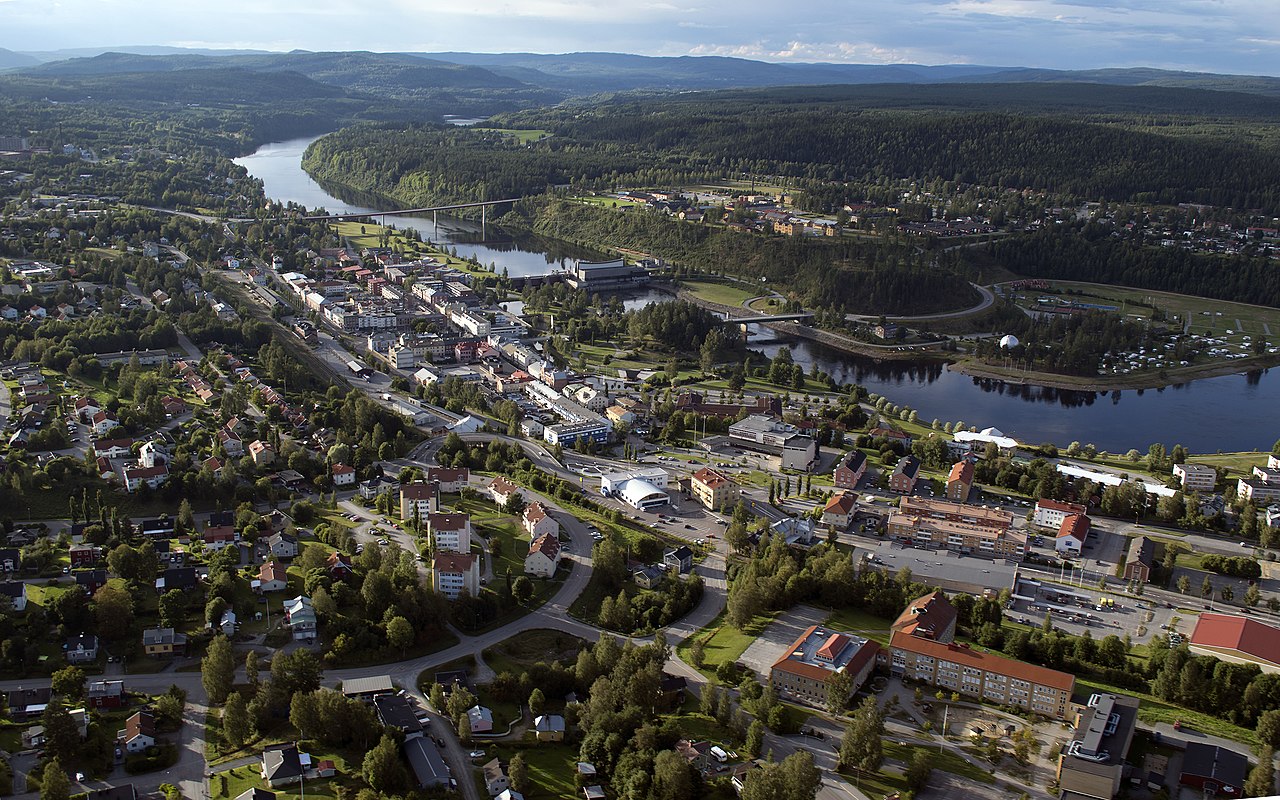
Nordic data centre operator atNorth has confirmed plans to develop a 300MW high-density colocation campus in Sollefteå Municipality, Sweden, marking one of the largest artificial intelligence-focused infrastructure projects announced in the region. The facility, to

Tech
Microsoft Copilot bug exposed confidential emails to AI processing — Arabian Post

Microsoft Copilot bug exposed confidential emails to AI processing — Arabian Post

Microsoft has acknowledged a significant flaw in its Microsoft 365 Copilot AI assistant that allowed the system to process and summarise emails labelled as confidential, bypassing established data protection controls. The issue, tracked internally as

Tech
Anthropic’s coding agent reshapes software development landscape — Arabian Post

Anthropic’s coding agent reshapes software development landscape — Arabian Post

  Anthropic’s Claude Code, an AI-driven coding agent that autonomously reads, writes and executes software instructions from a user’s terminal or browser interface, is accelerating change across the software development industry and unsettling traditional players

Opinion
Amid major achievements, Kuwait to celebrate 65th National Day today

Amid major achievements, Kuwait to celebrate 65th National Day today

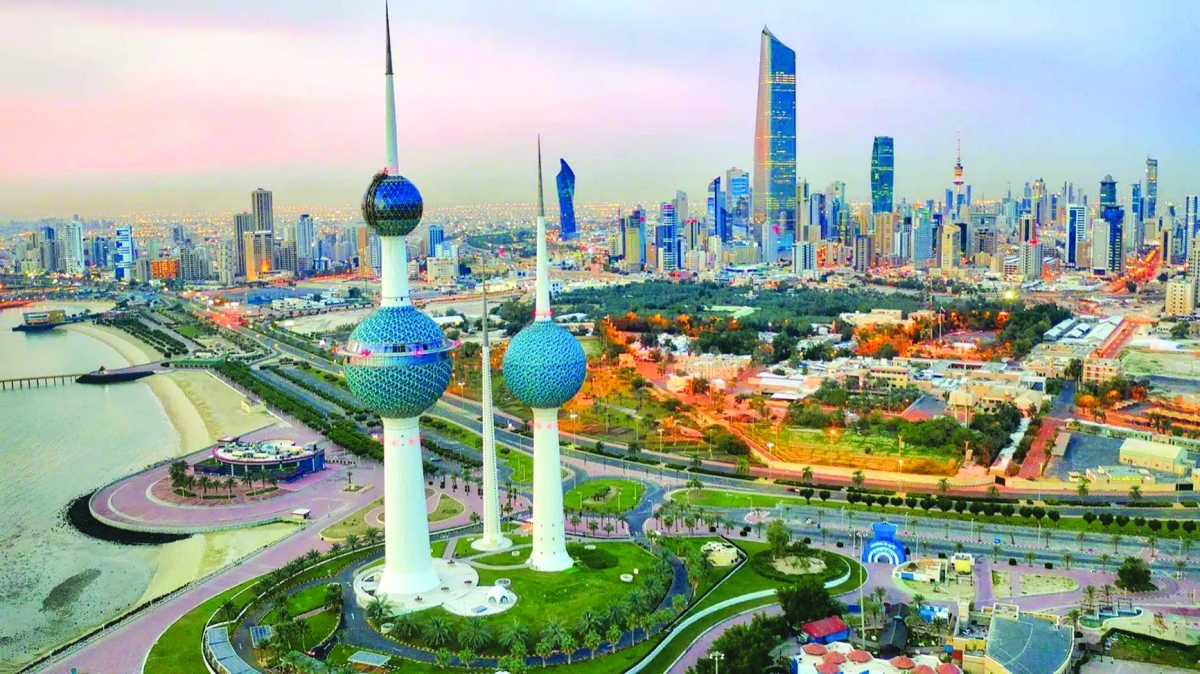
Kuwait will celebrate today its 65th National Day, which coincides with its 35th Liberation Day. These two occasions are milestones in Kuwait’s history, which features major challenges overcome thanks to the country’s wise leadership, the solidarity of its people, and the support of sisterly and friendly nations. On this occasion, Kuwaitis recall with pride their belonging to a homeland that draws strength from its glorious past while striving to join the ranks of nations aspiring to build an honourable present and a bright future. The anniversary reminds successive generations of Kuwaitis of their forefathers’ great efforts in laying the foundations of a state that has earned the appreciation and respect of the international community through its achievements, positive roles, and outstanding relations with all countries, as well as regional and international organizations. The Qatari people share in the joy and celebrations of their brothers and sisters in the State of Kuwait on this occasion, reflecting sincere bonds of brotherhood, affection, appreciation, and pride, which stem from both countries’ deep-rooted ties on all levels. Strong and profound, Qatari-Kuwaiti relations go far back to even before the establishment of formal diplomatic relations between the two states in the 1970s, as both peoples are bound by many decades of strong ties shaped by kinship, a sense of brotherhood, a shared history and destiny, and a common purpose. Qatari-Kuwaiti ties are built on mutual trust and deep understanding, solidified by close co-operation in various fields, including the political, economic, and cultural, in the service of both countries and peoples’ interests. Doha and Kuwait City continue to move steadily towards further progress and prosperity, thanks to the care and attention shown by the two countries’ wise leadership, and their ongoing efforts to expand co-operation and consolidate integration in a manner that reflects their close ties and one that keeps pace with future aspirations, with determination and confidence. To that end, the Qatari-Kuwaiti Joint Higher Committee for Cooperation held its 7th session in Kuwait on February 8, co-chaired by HE the Prime Minister and Minister of Foreign Affairs Sheikh Mohammed bin Abdulrahman bin Jassim al-Thani and Kuwaiti Minister of Foreign Affairs Sheikh Jarrah Jaber al-Ahmad al-Sabah. Bilateral integrationThe session reviewed ways to deepen co-operation and achieve greater bilateral integration across sectors, alongside an exchange of views on issues of mutual interest. During the meeting, HE the Prime Minister and Minister of Foreign Affairs highlighted the close fraternal ties between Qatar and Kuwait, stressing the shared commitment to further strengthening relations in the interests of both peoples. The 7th session of the Joint Higher Committee for Cooperation concluded with both sides signing the session’s minutes, in addition to several agreements and Memorandums of Understanding (MoUs). These included a co-operation and news-exchange agreement between the Qatar News Agency and the Kuwait News Agency, MoUs on consumer protection and competition protection, along with an MoU to enhance the two governments’ cooperation on cybersecurity. Back in January 2020, Kuwait signed a long-term agreement with the State of Qatar to import Liquefied Natural Gas (LNG) for 15 years, (2022-2036). Under the agreement, Qatar supplies Kuwait with 3mn tonnes of LNG annually via Kuwait’s LNG complex at Mina Al Zour. Kuwait is a strategic trade partner of the State of Qatar, with bilateral trade witnessing steady growth. The direct maritime shipping line launched between Hamad Port and Kuwait’s Shuwaikh Port in August 2017 has played a pivotal role in doubling trade volume between the two countries, providing an efficient and regular channel for the movement of goods to and from Qatar. Underscoring the depth and distinctiveness of Qatari-Kuwaiti relations, and within the framework of the strong ties between the two brotherly countries, and under the directives of His Highness the Amir Sheikh Tamim bin Hamad al-Thani, the corridor road project was named “Sabah Al-Ahmad Corridor” in honour of the late Amir of Kuwait, Sheikh Sabah al-Ahmad al-Jaber al-Sabah. The corridor represents a vital new artery in Qatar’s road network and stands as an expression of Qatar’s appreciation and affection for a distinguished Arab leader renowned for his honourable positions in support of his homeland, the Arab nation and the Islamic world. The inauguration of the road reflected the high esteem the late Amir received in Qatar, at the leadership, government and popular levels, and coincided with Qatar’s participation in Kuwait’s celebrations marking the 58th National Day and the 28th anniversary of Liberation. National celebrationsKuwait is marking its national celebrations under the wise leadership of Amir of Kuwait, Sheikh Meshal al-Ahmad al-Jaber al-Sabah. Since independence, it has made steady strides in comprehensive development, achieving notable progress across global and regional competitiveness indicators. In 2025, Kuwait reached a historic milestone, ranking first globally in 10 key indicators, including financial and political stability, innovation, technological advancement, and the quality of education and healthcare, underscoring its transition from an oil-based economy to a diversified and sustainable economic power. Kuwait has also continued to advance on the international competitiveness map, ranking 49th globally in the Social Progress Index, while recording strong performance in infrastructure and societal security indicators compared to other countries, placing it ahead of major economies. Projections for 2026 indicate continued upward momentum, with Kuwait expected to maintain its position among the top five regionally in 10 new strategic indicators. Since gaining independence, Kuwait has pursued a moderate and balanced foreign policy grounded in openness and communication, guided by a belief in friendship and peace, and focused on human development and economic prosperity for its people. Within a framework of co-operation with regional and international organizations, Kuwait has supported efforts aimed at enhancing global security and stability. Through its pioneering policies, it has built solid relations with sisterly and friendly nations, played a distinguished role in advancing the Gulf Cooperation Council’s process, supported international efforts to promote peace and security. Kuwait is committed to International legitimacy law and regional and international cooperation through the United Nations and Arab and regional organizations, and has become a global leader in humanitarian aid.   

Opinion
Big Tech faces social media addiction trial amid global backlash

Big Tech faces social media addiction trial amid global backlash

Across the world, an estimated 95% of teens use social media and the United Nations has emphasised that tech companies must prioritise safety over profits, calling for stronger regulation and digital literacy. Currently, governments across the world are increasingly implementing or proposing legal curbs on social media for minors to combat rising rates of anxiety, depression, and online harassment. Now, two of the world’s largest social media platforms are facing a jury trial in the US over allegations that they intentionally designed their products to be addictive to young people, drawing comparisons to Big Tobacco’s reckoning with consumer addiction three decades ago. The trial in Los Angeles, the first of its kind, centers on a 20-year-old woman who says her nonstop use for more than a decade of sites including Meta Platforms’ Instagram and Google’s YouTube caused her to suffer anxiety, depression and body dysmorphia. The companies are exposed to potentially billions of dollars in damages and the possibility that they could be forced to overhaul core features of their platforms. Thousands of similar cases brought against the two companies as well as Snap and TikTok parent ByteDance are pending in court. The Los Angeles trial is the first of several planned for this year. More than 3,000 cases brought by children, adolescents and young adults — sometimes via their parents, siblings or other family members — based on claims of psychological distress, physical impairment and death have been filed across the US. Dozens of state attorneys general are also suing the companies. Additionally, public school districts have brought more than 1,200 complaints on behalf of students. The first trial among the school cases is scheduled to be held in Oakland, California in June. The plaintiffs say that Meta, Google, TikTok and Snap design their services to hook children, an audience that academic and medical studies show is particularly vulnerable to addiction because their bodies and minds are still developing. Addictive use of social media results in an array of psychological disorders, and in extreme cases self-harm and suicide, according to the lawsuits. Such addictive use delivers the most valuable prize for the Big Tech: troves of data about young users’ preferences, habits and behaviours that are used to target them with ads. The companies maintain that their products were not built to hook kids, and that they have settings and safeguards in place to protect young users. A lawyer for Meta argued at the start of the Los Angeles trial that social media actually helps young people connect with friends and family. European countries are currently taking their broadest swipe yet at social media, with a growing number weighing bans of the services for minors and setting the stage for a new showdown with some of the biggest US companies. The policy was first implemented in Australia, encompassing Instagram and Facebook, Snap, Elon Musk’s X, TikTok and Google’s YouTube. Spain became the latest country to propose a ban on services. At least 10 other countries — France, the UK, Portugal, Denmark, Greece, Norway, Poland, Austria, Ireland and the Netherlands — and the EU are weighing similar limits. The UN, through agencies like Unicef and Unesco, has highlighted that while social media offers opportunities, it presents severe risks to minors, including cyberbullying, mental health issues, sexual exploitation, and exposure to harmful content. While acknowledging the “genuine concerns” of governments across the world the Unicef has also said “age restrictions must be part of a broader approach that protects children from harm, respects their rights to privacy and participation, and avoids pushing them into unregulated, less safe spaces.” Regulation should not be a substitute for platforms investing in child safety and laws introducing age restrictions are not an alternative to companies improving platform design and content moderation,” according to the Unicef. 

Lifestyle
‘I will go:’ Bengalis living in Pakistan optimistic for f…

‘I will go:’ Bengalis living in Pakistan optimistic for f…

Shah Alam travelled from his home in Bangladesh to Pakistan for a brief visit nearly three decades ago, but flaring hostility between the two countries and financial woes left him stranded in the megacity of

Lifestyle
Largest nationwide food rescue operation for Ramadan launched in UAE

Largest nationwide food rescue operation for Ramadan launched in UAE

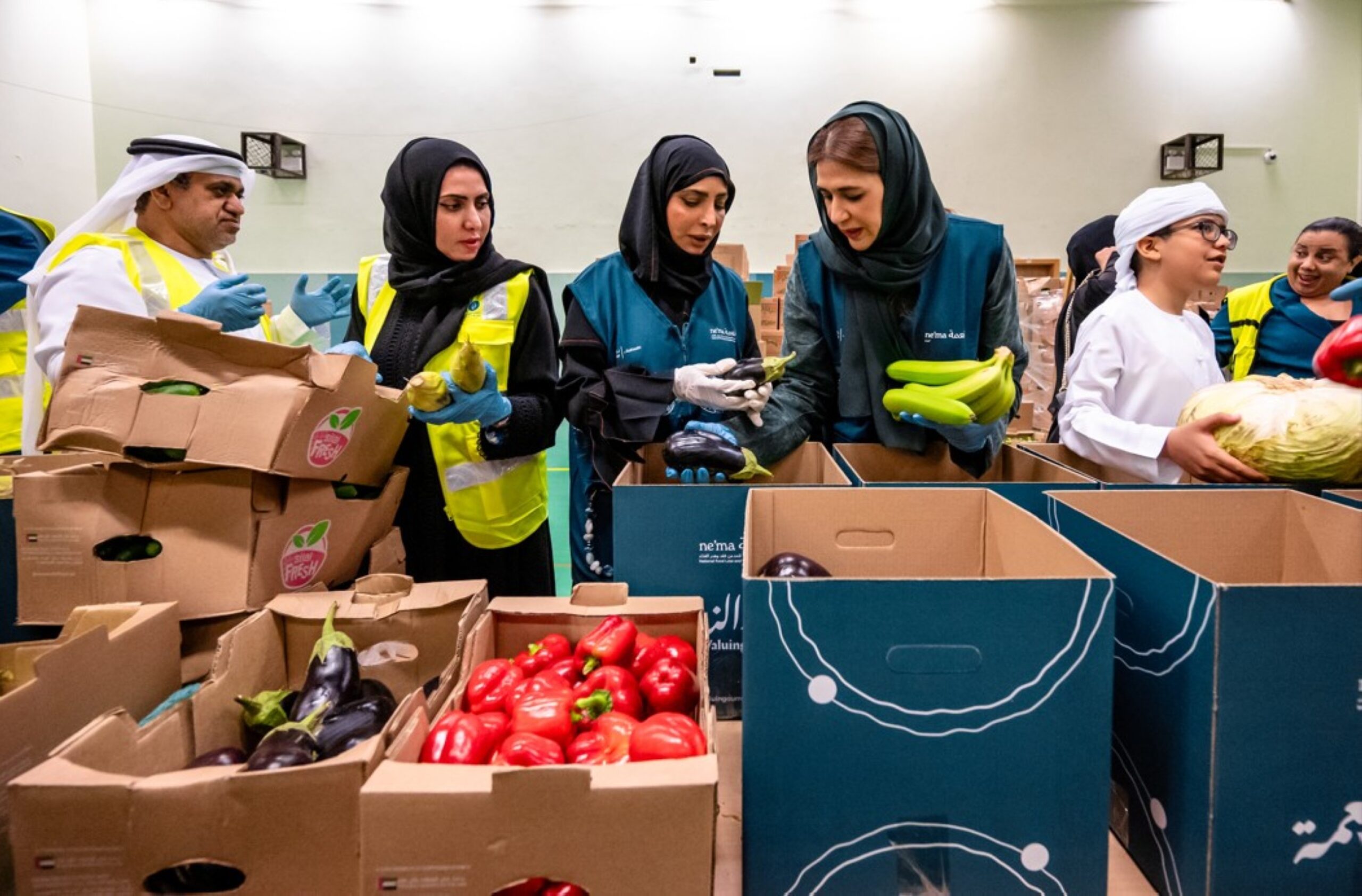
ne’ma - the National Food Loss and Waste Initiative- has announced the expansion of its “Valuing Our Roots” campaign for Ramadan 2026, marking the most significant geographic and operational rollout of its food rescue programme

Lifestyle
‘No thanks:’ Greenland, Denmark reject Trump’s hospital ship offer

‘No thanks:’ Greenland, Denmark reject Trump’s hospital ship offer

Denmark and its territory Greenland rejected Donald Trump's offer to send a naval hospital ship to the Arctic island coveted by the US leader.A day earlier, Trump said he was sending "a great hospital boat